A Knight's Just Reward - The Origins of Clan Bruce
The family that would become Clan Bruce traces its roots to Normandy, France. According to the historical account in the reference work of Encyclopaedia Britannica, the name Bruce is traditionally derived from “Bruis” or “Brix,” a place in Normandy between Cherbourg and Valognes.
The earliest Bruce with a connection to Scotland was a Norman knight, Robert de Brus, who arrived in Britain in the aftermath of the Norman conquest. In the early 12th century, the family’s focus shifted north: under the patronage of David I of Scotland, Robert de Brus’s descendant was granted the lordship of Annandale in southwestern Scotland. Such land grants were a common reward for services rendered. How desireable the land was considerd at the time is debateable. But land was land.
Over time, through advantageous marriages and accumulating estates, the Bruces cemented their position among the Scottish nobility — setting the stage for ambitions far beyond being regional lords.
Rise to Royalty: From Lords to Kings
A key milestone in the Bruce family’s ascent was the marriage of Robert IV de Brus, 4th Lord of Annandale, to a niece of the Scottish king William I of Scotland. This alliance significantly elevated their standing within the kingdom.
Their descendants continued to consolidate power, acquiring lands, titles and influence. The famous Robert I of Scotland — better known as Robert the Bruce — was born into this lineage, and his claim to the Scottish throne stemmed directly from these strategic familial ties.
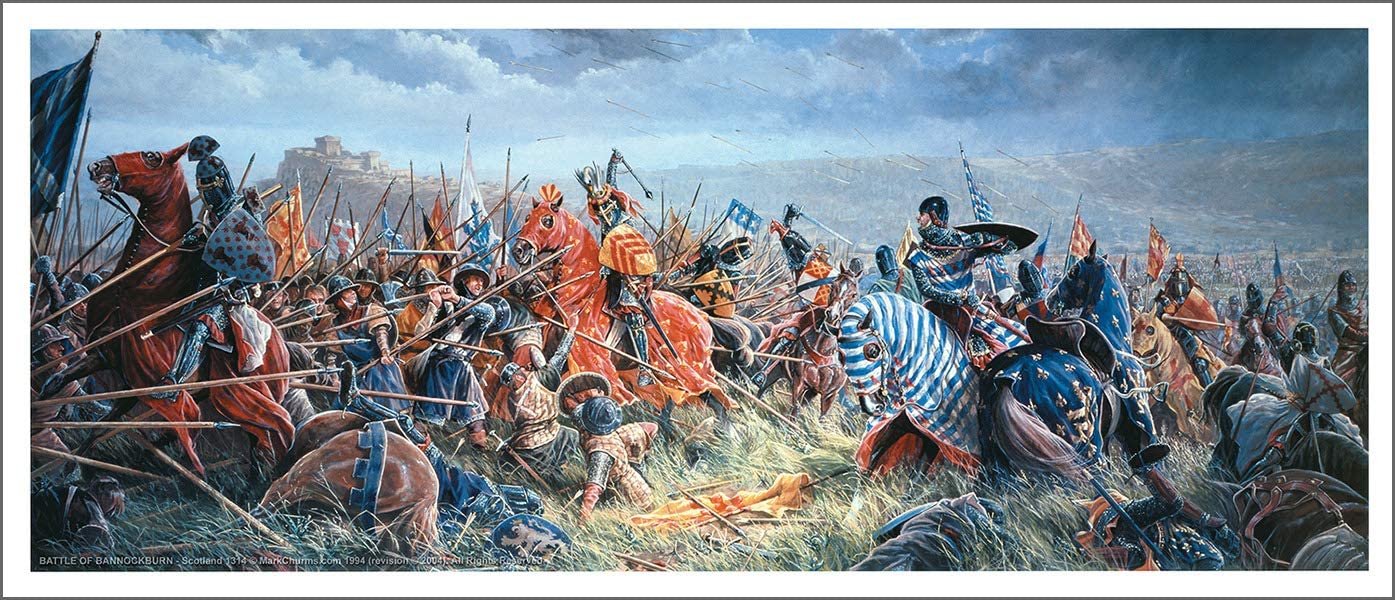
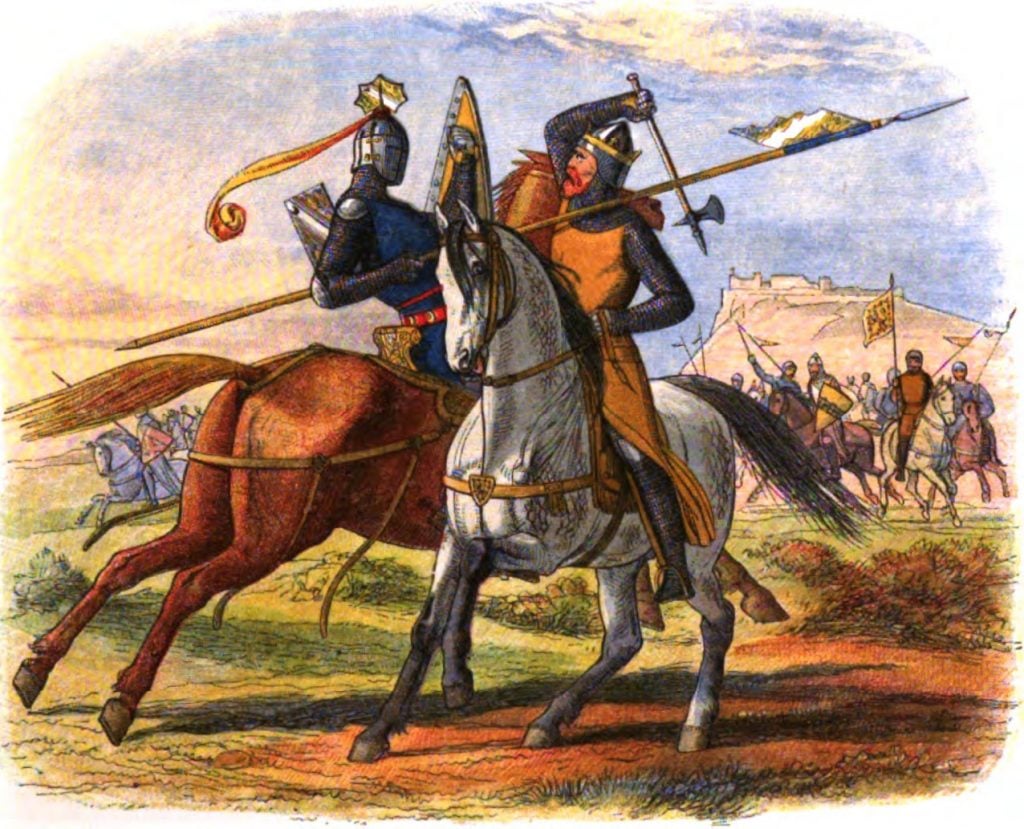
In 1306, Robert the Bruce seized the crown of Scotland. Over the subsequent decades, he led a series of campaigns that reshaped Scotland’s destiny. Most notably, it was his leadership that led to one of the most important battles in Scottish history; the Battle of Bannockburn fought on June 23-24, 1314.
Robert led the seemingly out-matched Scottish force to a resounding victory over the army of Edward II, effectively securing de facto Scottish independence and shattering English claims to sovereignty (cemented in the Treaty of Edinburgh-Northampton in 1328).
This pivotal win established Robert the Bruce as a national hero and marked a major turning point in the First War of Scottish Independence. With Robert’s rule, the Bruce family rose from noble lineage to sovereign dynasty.
The Bruce Legacy After the Royal Line
The direct royal line of the Bruces ended when David II of Scotland, son of Robert the Bruce, died in 1371 without heirs. Thereafter, the crown passed to the house of Stewart through female descent — a change that marked the end of Bruce rule, but not the end of the Bruce name or legacy.
Although no longer royal, the clan continued to exist. Over time, descendants carried on the Bruce name; branches became tied to titles such as the Earls of Elgin and Kincardine. Many prominent individuals came from these family lines such as the famous Thomas Bruce, 7th Earl of Elgin who acquired the so-called Elgin Marbles; artifacts of the Parthenon currently housed at the British Museum.
I am a Bruce - What is my Clan Crest, Motto and Coat of Arms?
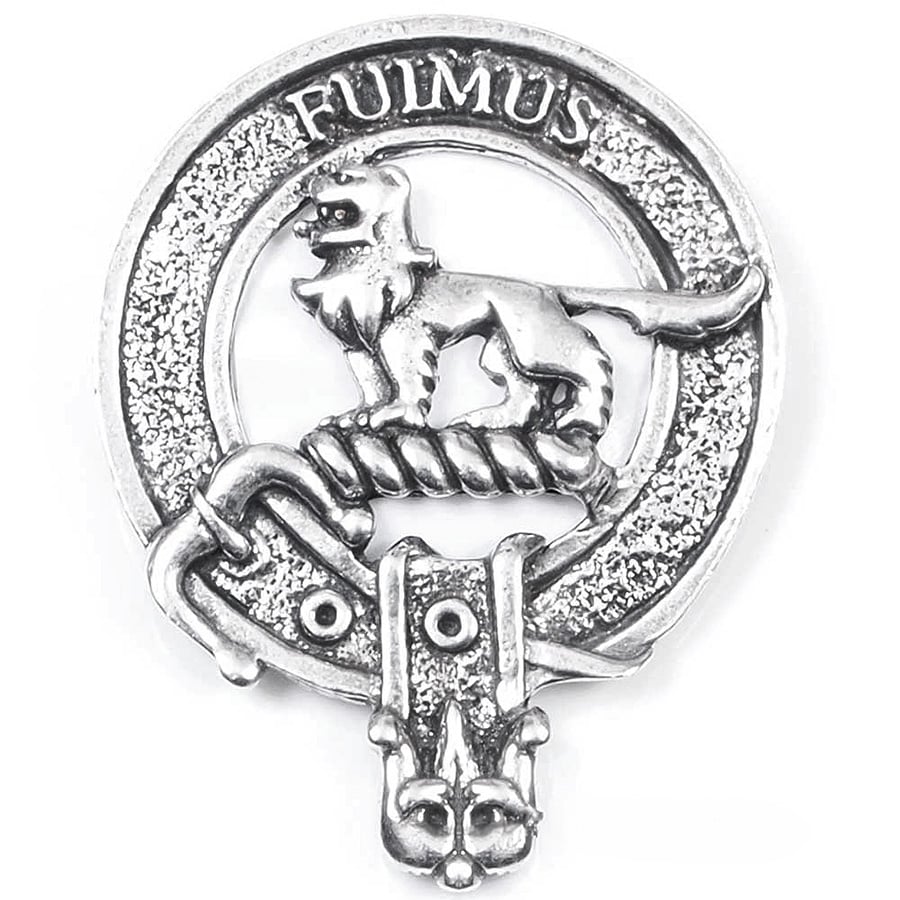
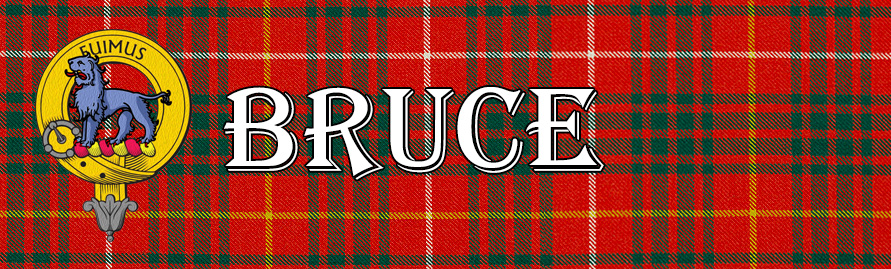
The traditional crest of Clan Bruce features a lion — a symbol of strength and leadership we see often in Scotland, and naturally associasted with the Bruce line of kings.
The offical heraldic description is: "A Lion Statant, Azure, armed and langued Gules"
In case you do not "speak heraldic" that's a blue-colored lion with a red tongue and claws, standing at attention.
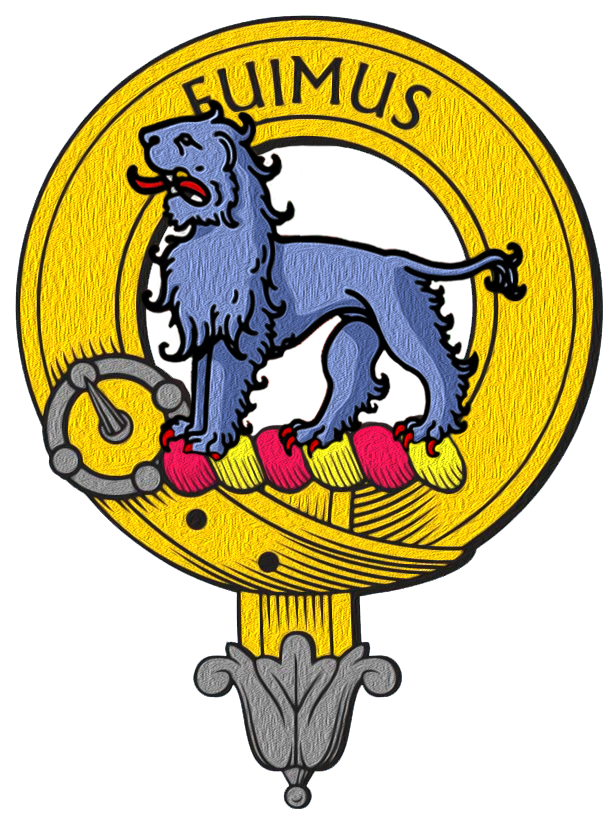
The Bruce clan motto is “Fuimus”, which translates to “We have been,” a succinct and evocative nod to the clan’s long and storied past.
Over the centuries, many surnames became associated with — or considered septs of — Clan Bruce. These included, among others: Carlyle, Carruthers, Crosbie, Randolph and Stenhouse.
For anyone exploring Scottish ancestry, Clan Bruce offers a fascinating case study of how a family of foreign origin became deeply woven into Scotland’s history. Its transformation from Norman knightly origins to one of Scotland’s defining royal dynasties underscores how migration, marriage alliances, and political maneuvering shaped lineage.
Moreover, the clan’s historical footprint — in names, lands, castles, and mottos — provides tangible touchpoints for genealogical research. Whether your surname is literally “Bruce,” or a sept name such as “Crosbie” or “Carruthers,” there may be a connection worth exploring.
Truly however, the story of Clan Bruce is not just about bloodlines, not even simply about memebers of the clan itself. It’s about Scottish identity writ large. All Scottish clans and families have given us stories and inspiratrion that acho down the ages. However, the Bruce family in particular carved out a place and legacy that resonates with anyone of Scottish descent. William Wallace may have somewhat eclipsed Robert the Bruce in recent pop culture, but The Bruce is a core hero - the hero king - that Scots and Scottish Americans can point to and say "I would have stood by him."
- To learn more about your connection to Clan Bruce, visit Family of Bruce International.
Is there a Clan Bruce Seat I can Visit?
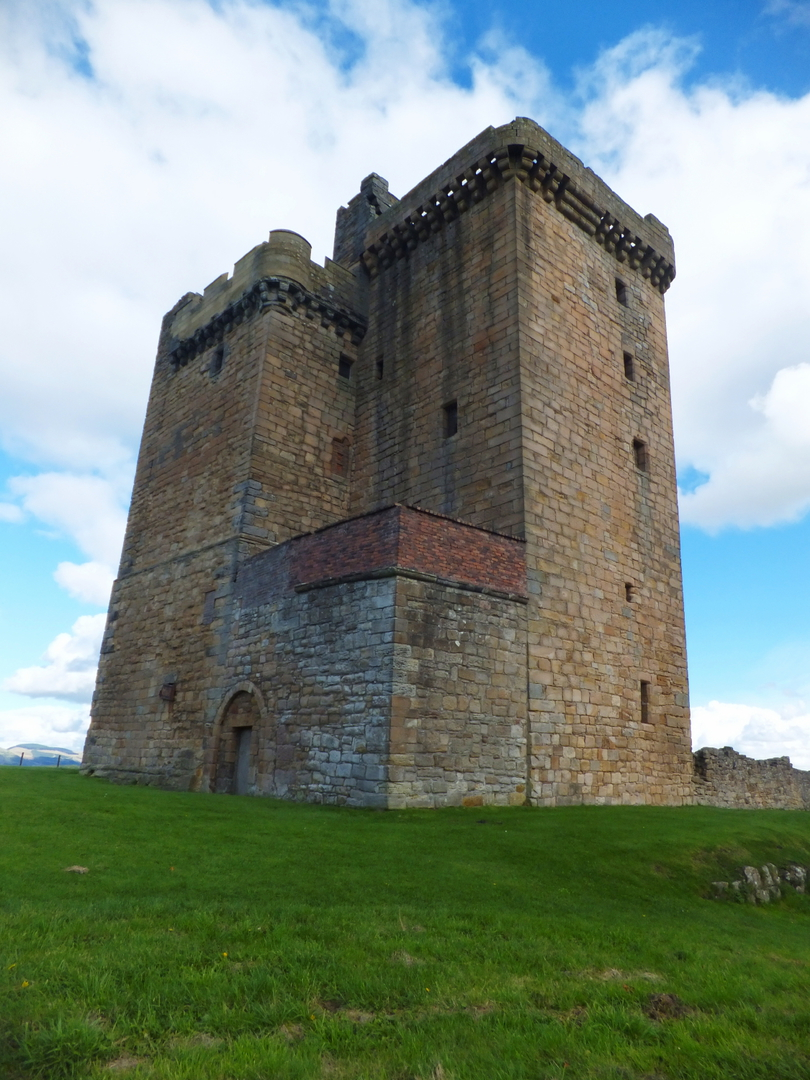
Yes indeed! However, you're going to have a hard time choosing your destinations. There are several key historical sites associated with Clan Bruce and Robert The Bruce. To visit them all, you'll want to allow plenty of time in your itinerary.
The ancestral lands of the Bruce family include the lordship of Annandale, originally granted in the 12th century. In later generations, Bruce influence extended to other parts of Scotland, including holdings in Clackmannan and regions tied to the Earls of Kincardine and Elgin.
Several castles and strongholds are historically linked to the Bruce clan. Among them are ruins near Lochmaben and castles in Ayrshire — once seats and strongholds for various branches of the family. These geographic and architectural markers are more than relics — they are physical anchors for anyone exploring Bruce genealogy and heritage.
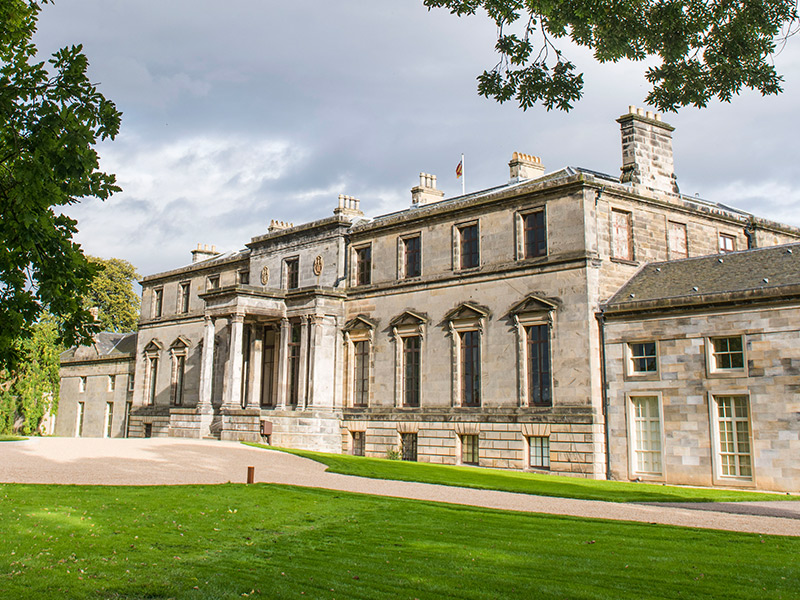
Broomhall House — Modern Family Seat of the Bruce Chiefs
The present-day heads of Clan Bruce — the Earls of Elgin and Kincardine — are seated at Broomhall House. Visiting (or researching) Broomhall can be significant for those tracing modern-day Bruce lineage or studying how the clan evolved across centuries. It is also a prime location if you hope to connect socially with other members of the clan. Check their website to see if events at Broomhall align with your plans.
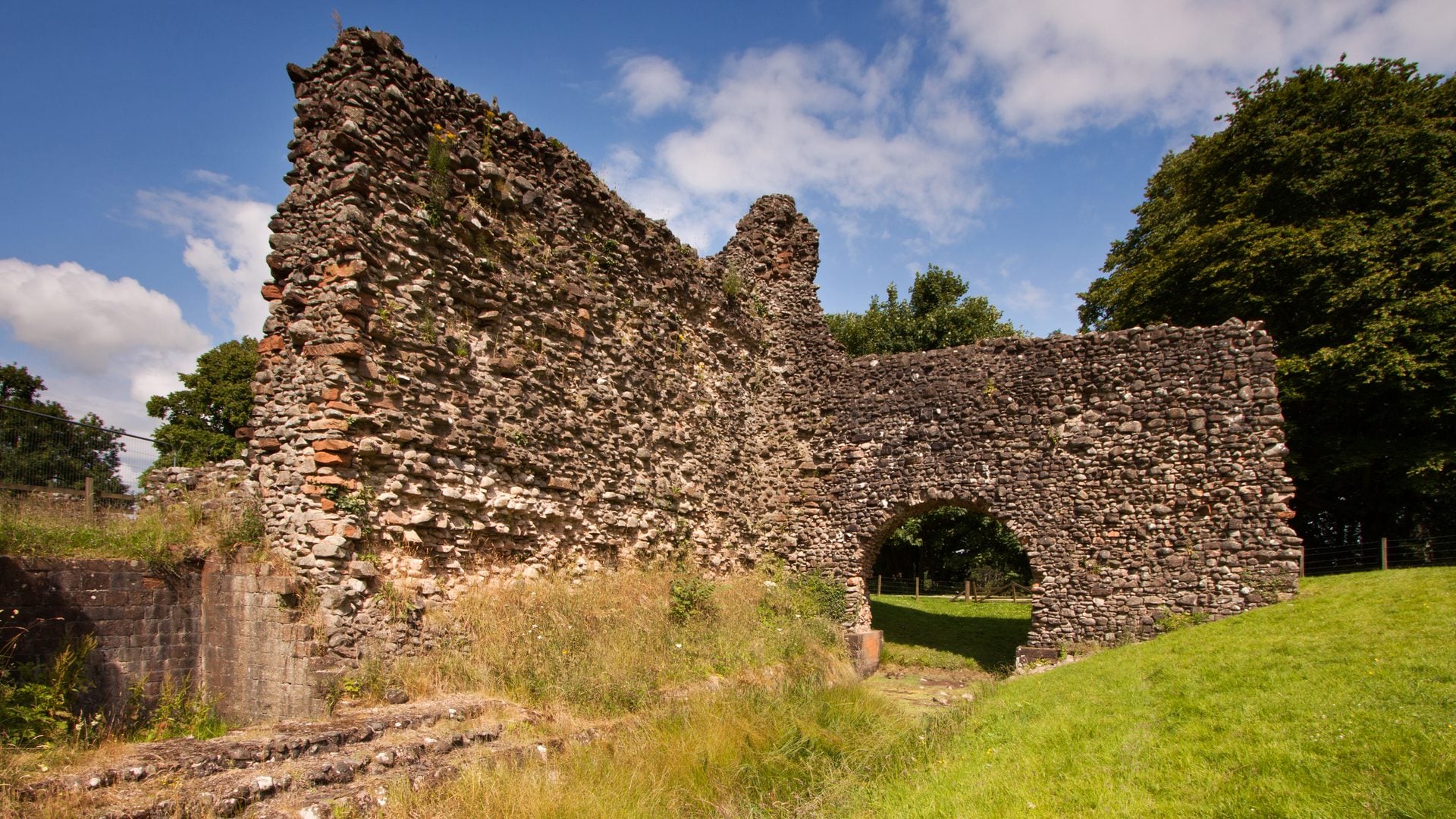
Lochmaben Castle
This castle lies in what was historically the lordship of the Bruces — the feudal territory of Robert de Brus, 1st Lord of Annandale and his descendants.
The current ruins date from a 14th-century reconstruction under English rule; but earlier, around the mid-1100s, the Bruce family had established a motte-and-bailey castle nearby. Visiting Lochmaben connects directly to the Bruce family’s medieval seat. While the site does offer some tangible insight into the ancestral lands, it should be noted that this is a humble ruin. Visit if you are of the "gotta catch 'em all" mindset as a genealogical tourist.
Clackmannan Tower (and surrounding lands)
The lands around Clackmannan and Clackmannan Tower are among the territories historically associated with branches of the Bruce family. For genealogical seekers, this region represents another possible ancestral locus — especially for those whose family stories or surname-variants align with Bruce septs. A great region to hike and let your imagination work.
Historic Sites Connected to Robert the Bruce (King of Scots)
Here are a few sites that reflect major events in Bruce family history. Each is worth your time when you tour Scotland!
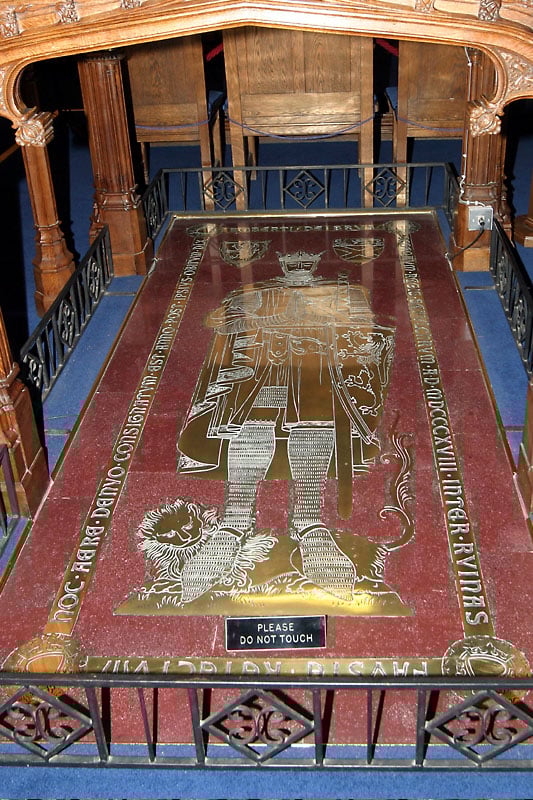
Dunfermline Abbey (Fife) — Bruce’s final resting place
After his death in 1329, Robert the Bruce was interred at Dunfermline Abbey. Not only an important site for anyone exploring their Bruce heritage, it's also a fascinating site where you casn feel the weight of history.
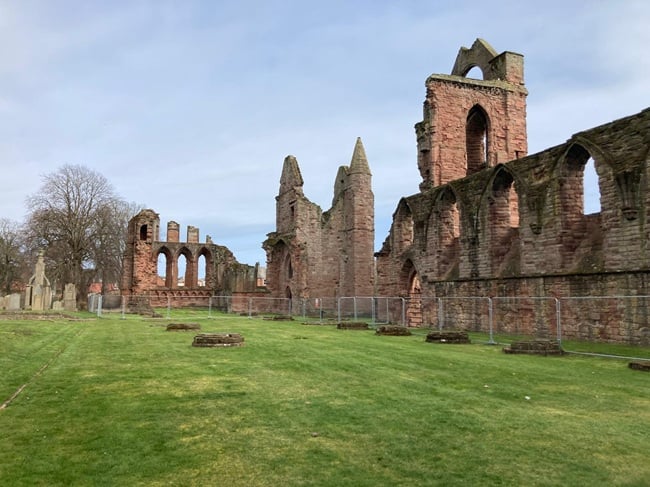
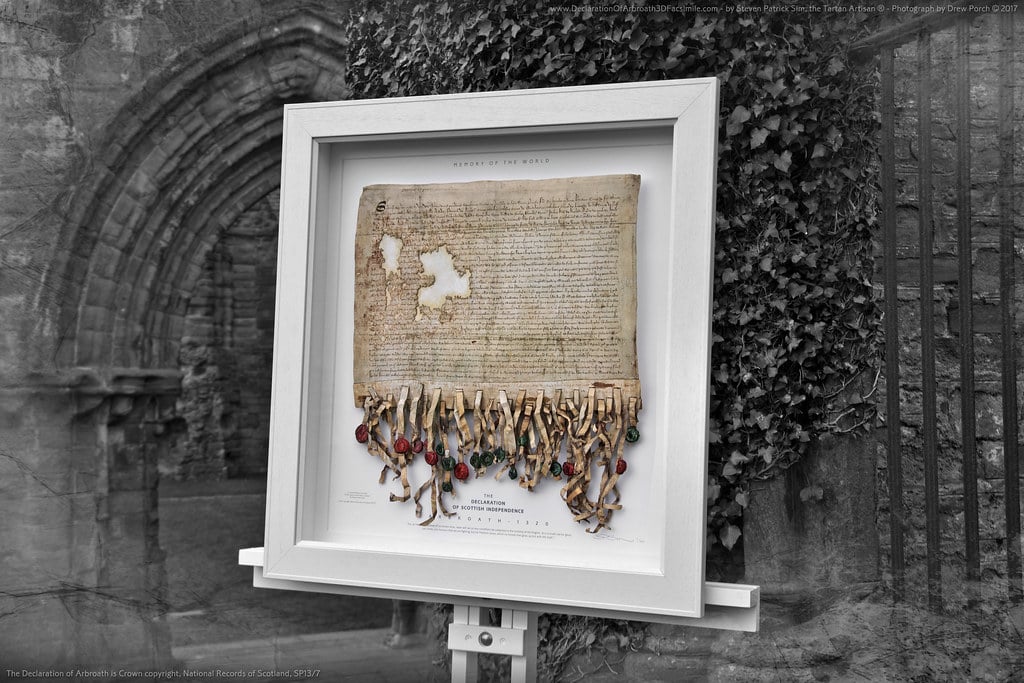
Arbroath Abbey — Site of the Declaration of Arbroath (1320)
The Declaration of Arbroath, a key document in Scottish independence under Robert the Bruce’s rule, was signed here — making Arbroath Abbey a symbolic site for the Bruce legacy.
Battle of Bannockburn Visitor Centre / Battlefield Area & commemorations (near Stirling)
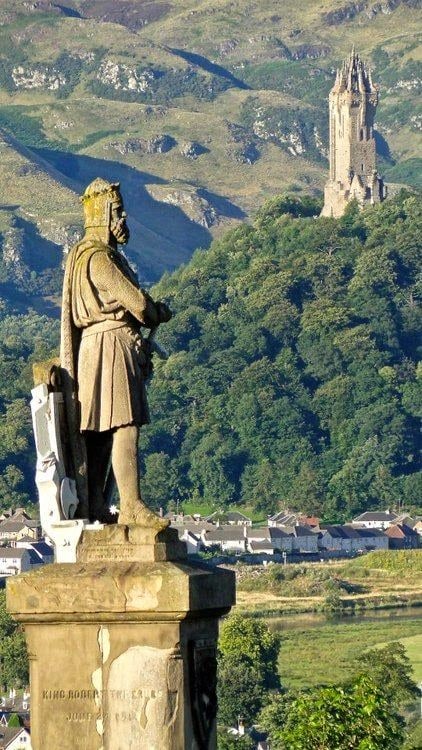
This is where Robert the Bruce led Scotland to a decisive victory in 1314. Visiting this site helps to connect the clan’s past struggles & triumphs to physical geography. While not a “clan seat” like Lochmaben or Broomhall, the battlefield and associated visitor centre tell the story of Bruce as national hero — a legacy that still resonates today.
Show You Are Proud to be Part of Clan Bruce!
If you’re looking to celebrate your Anderson heritage through tartan and Highland dress, we're happy to help!
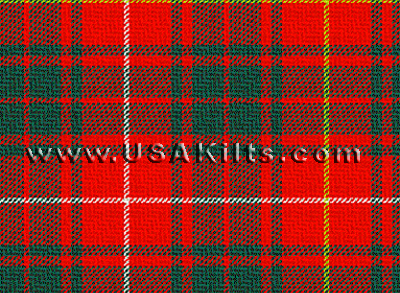
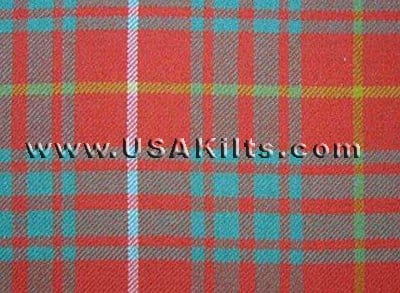
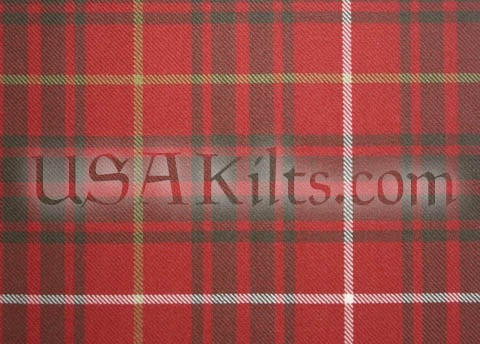
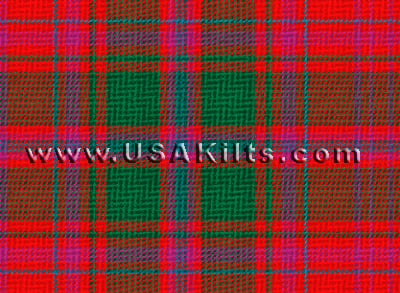
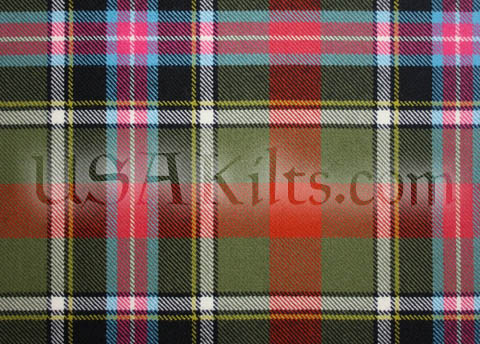
- Explore the Bruce Tartans — classic color palettes rooted in the recorded tradition of the Bruce family name.
- Get Your Bruce Tartan Kilt - Hand-made custom for you in our Spring City Pennsylvania shop.
- Clan Bruce Regalia - Bruce Clan Crest Badges, Bruce Kilt Pins and more!
- Clan Bruce Gifts - ties, scarves, and ladies apparel that show off your tartan anywhere, any time.
- We even have the Bruce Tartan Lambswool Blanket!