The History and Development of the Flat Cap
What Is a Flat Cap?
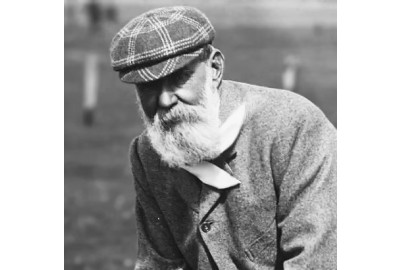
The flat cap, as it is commonly recognized today, is a soft cap with a rounded, forward-slanting profile and a short brim at the front. It can be constructed either as a simple one-piece crown or from multiple stitched panels, with the latter often associated with the fuller “newsboy” variation .
Importantly, these variations are not separate categories but are treated as part of the same broader family of flat caps, reflecting differences in construction rather than entirely distinct styles .

What a Flat Cap is Not
There are a few myths about flat caps. The most famous is the idea that Irish caps in particular were the result of an Elizabethan law.
The Statute of Apparel or Act of 1571, was a piece of legislation passed by Queen Elizabeth I's Parliament intended to support the English wool industry. Under the law, all males over the age of six (excluding nobles and persons of high status of course) were required to wear a knitted woollen cap on Sundays and holidays or pay a fine of three farthings a day. The law was in effect for 26 years before being repealed in 1597.
This law is considered by some to be a reason why the "flat cap" became standard, traditional headwear for working-class Irish and English men.
But there’s no conclusive evidence.
In the later 16th century, English authorities in Ireland, such as Lord Deputy John Perrot, did attempt to suppress traditional Irish dress, including the léine (a billowing calf- to ankle-length tunic of white or yellow linen) and the brat (or "mantle" - a large, heavy, fringed wool cloak). They encouraged or required the adoption of “civil” (English-style) garments as part of broader efforts to anglicize Irish society. However, enforcement was weak from what we know.
Promoters of Irish identity and fans of the Irish underdog story will often conflate these two historical facts to suggest that the law forced men to wear hats, the Irish invented a style of early flat cap, and the tradition was unbroken since then. We can’t fault them for their passion.
But here’s the thing. Men have always worn hats. Hats protect you from the sun, wind and rain. Unlike Scottish Highland bonnets, the styles of hats we see represented in Irish art across the centuries are generally in keeping with those across Europe from century to century. There is no distinctly Irish cap (or English working man’s hat for that matter) that seems to span the centuries and be a direct forerunner of the flat cap.
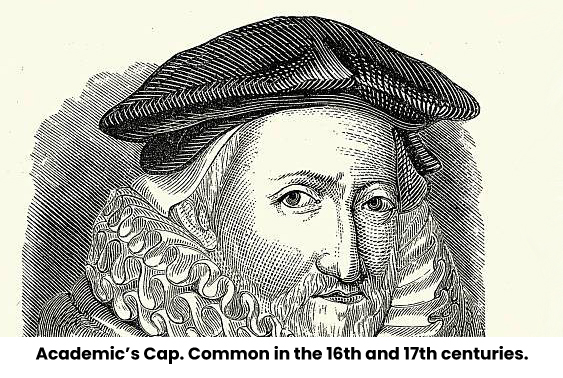
One speculative thought: It is possible that a more distinct (and likely crude) felt hat favored by the Irish may have lost popularity in favor of the the pileus or "Tudor Bonnet" (jokingly called a pancake hat among some reenactors) worn across Europe in the 16th century. This could mean that when 'civil dress' was promoted it accidentally exposed locals to a fashion style they had not seen before. But again, there is no evidence of this. Nether have we found (as of this writing) surviving specimens of Irish Tudor bonnets.
In any case, the "pancake" while it may look like a flat cap to modern eyes was not one. It was made in concentric circles of fabric and had a soft brim, not a firm bill as a flat cap has. Neither was it exclusivelty the headcover of the working class. In a very similar form, it was also worn by university men; a role it retains to ths day.
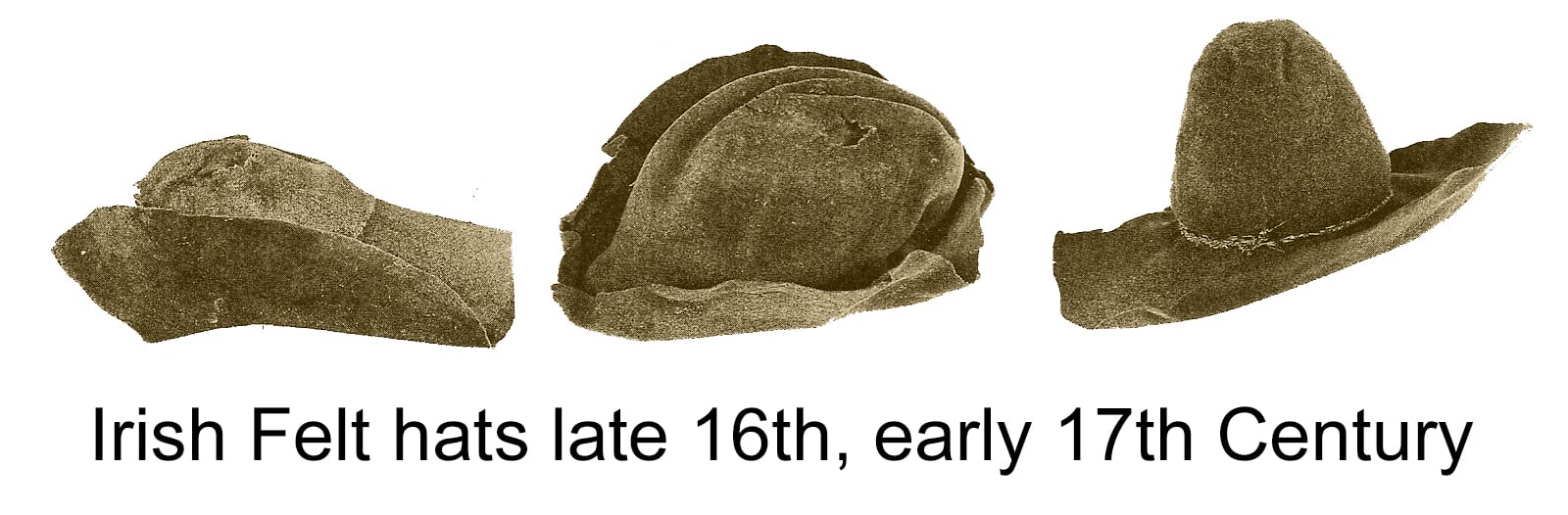
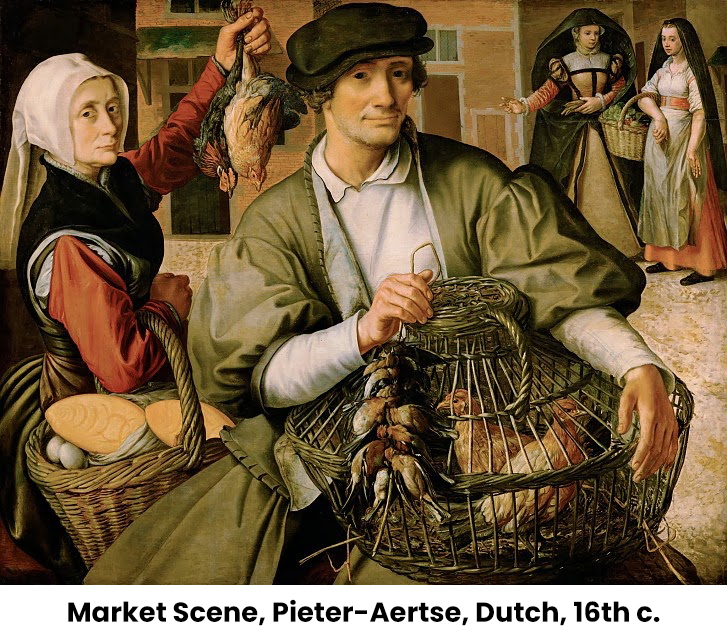
Speculartion aside, visual evidence suggests that ther was no tradtional Irish hat haned down as a cultural artifact. Rather, styles moved with the fashions of the times. We do know commn practical features were always favored. Wide-brimmed hats were usually preferred by those working the land. Sailors and fishermen often preferred bonnets that were more wind-proof.
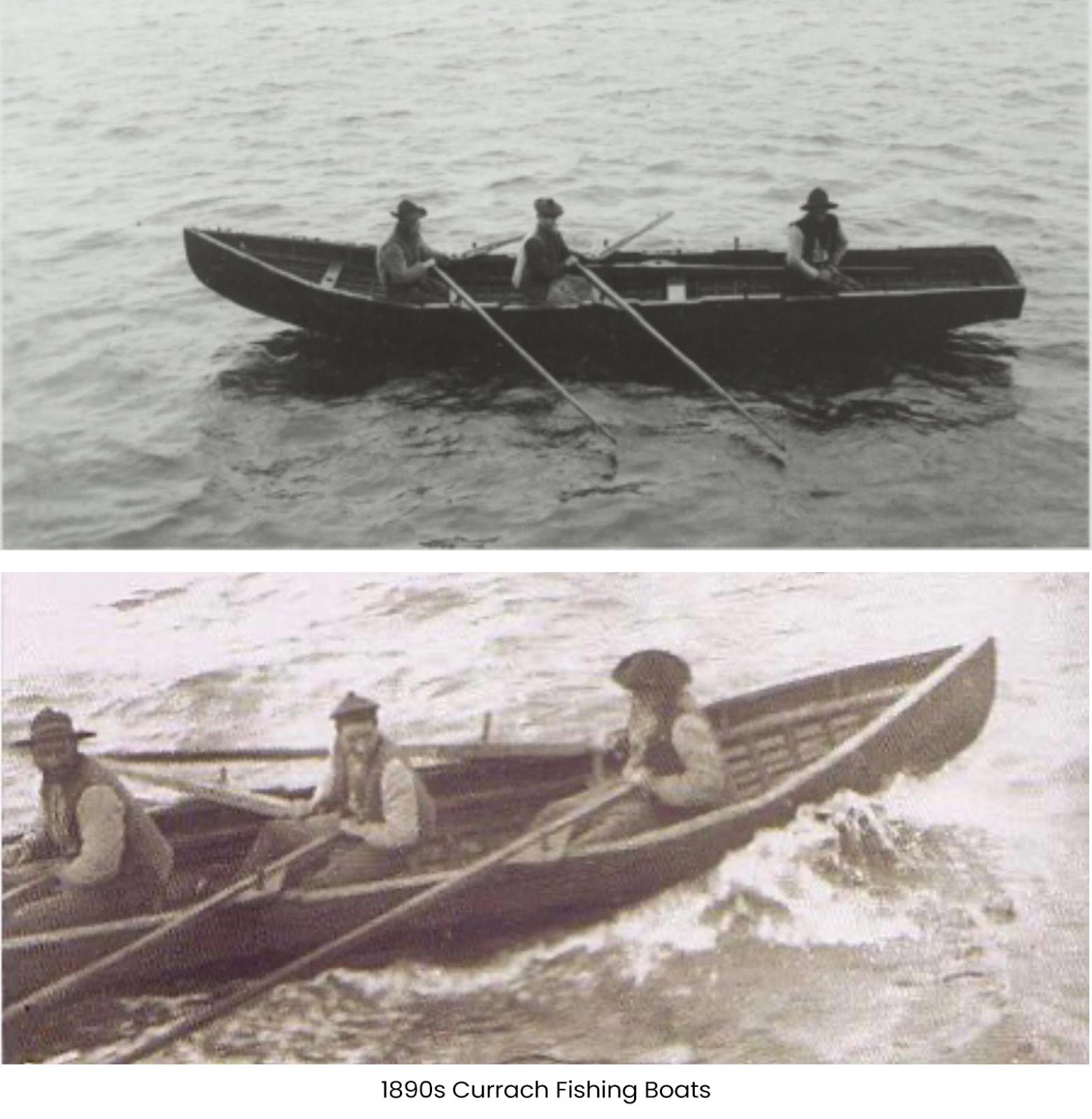
There was a sort of Irish national hat by the early 19th century - but it was not a flat cap
It is not uncommon for rural, isolated communities to hang on to material culture much longer than their urban counterparts. This is preciely why we have kilts and the roots of Highland Dress.
Around the late 18th- to early 19th-century, the Irish seem to have widely adopted the basic men's fashon modes of the day. And they retained them for the next eighty years or so. This is exactly where the stereotypical costume of the Irish peasant comes from; including everything from the horrific anti-Irish cartoons of the NINA era up to our modern leprechauns.
This included a version of the “Wellington" top hat which eventually was recast as the famous Irish “bucket hat.”
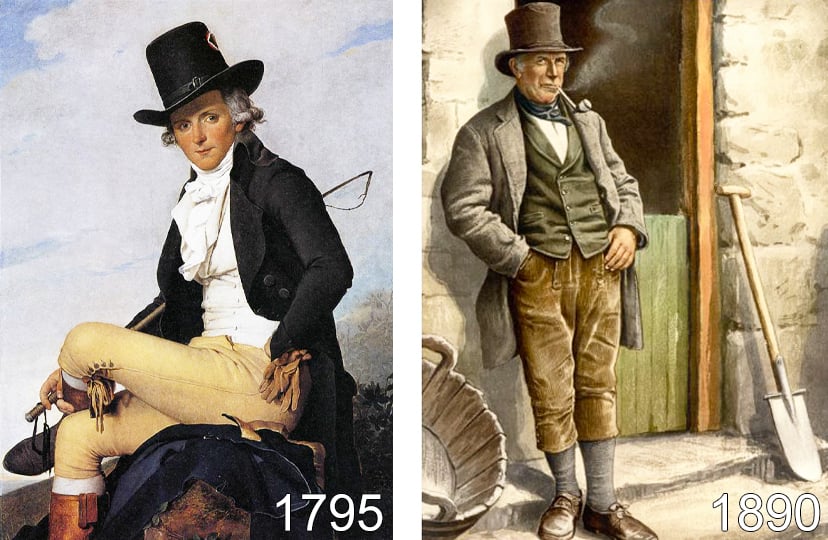
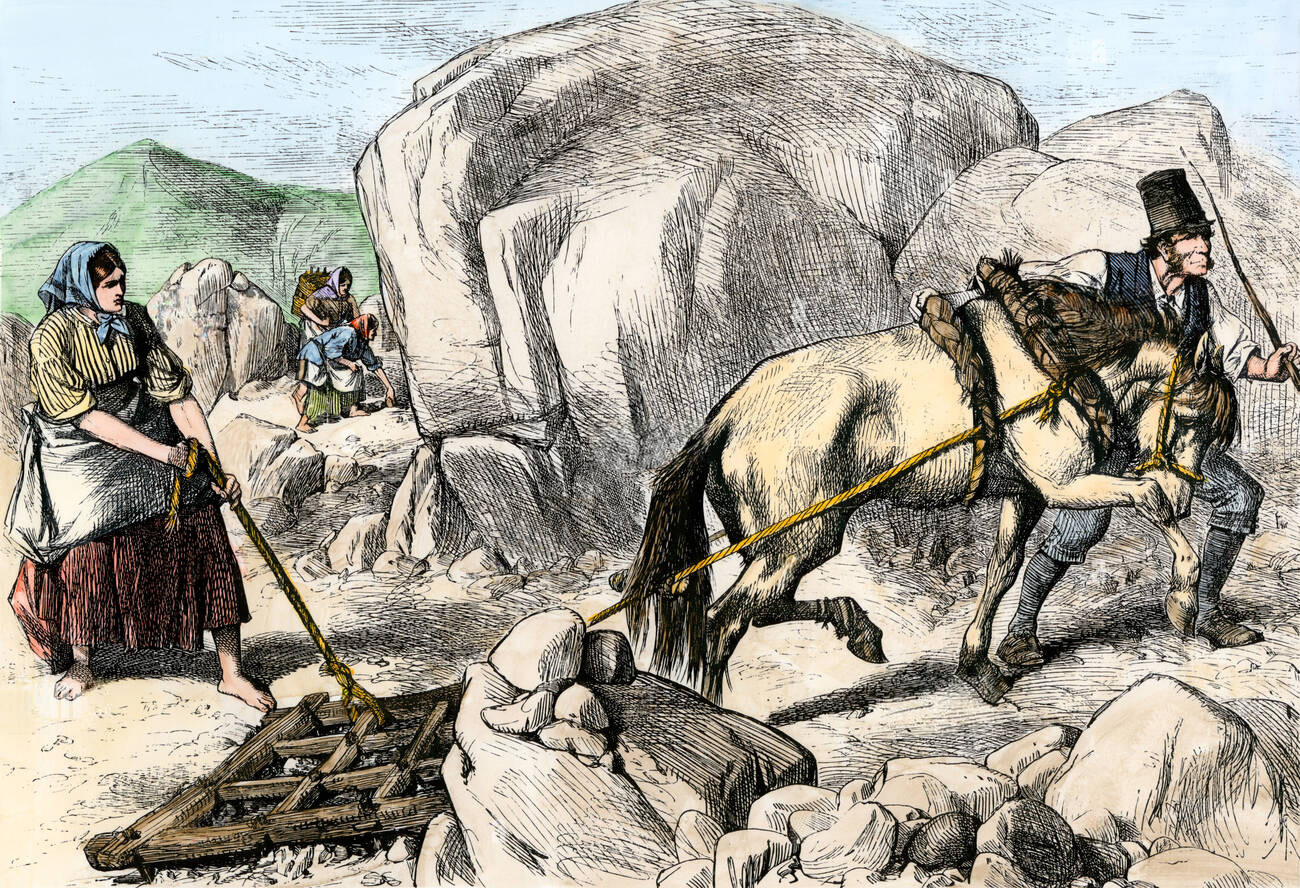
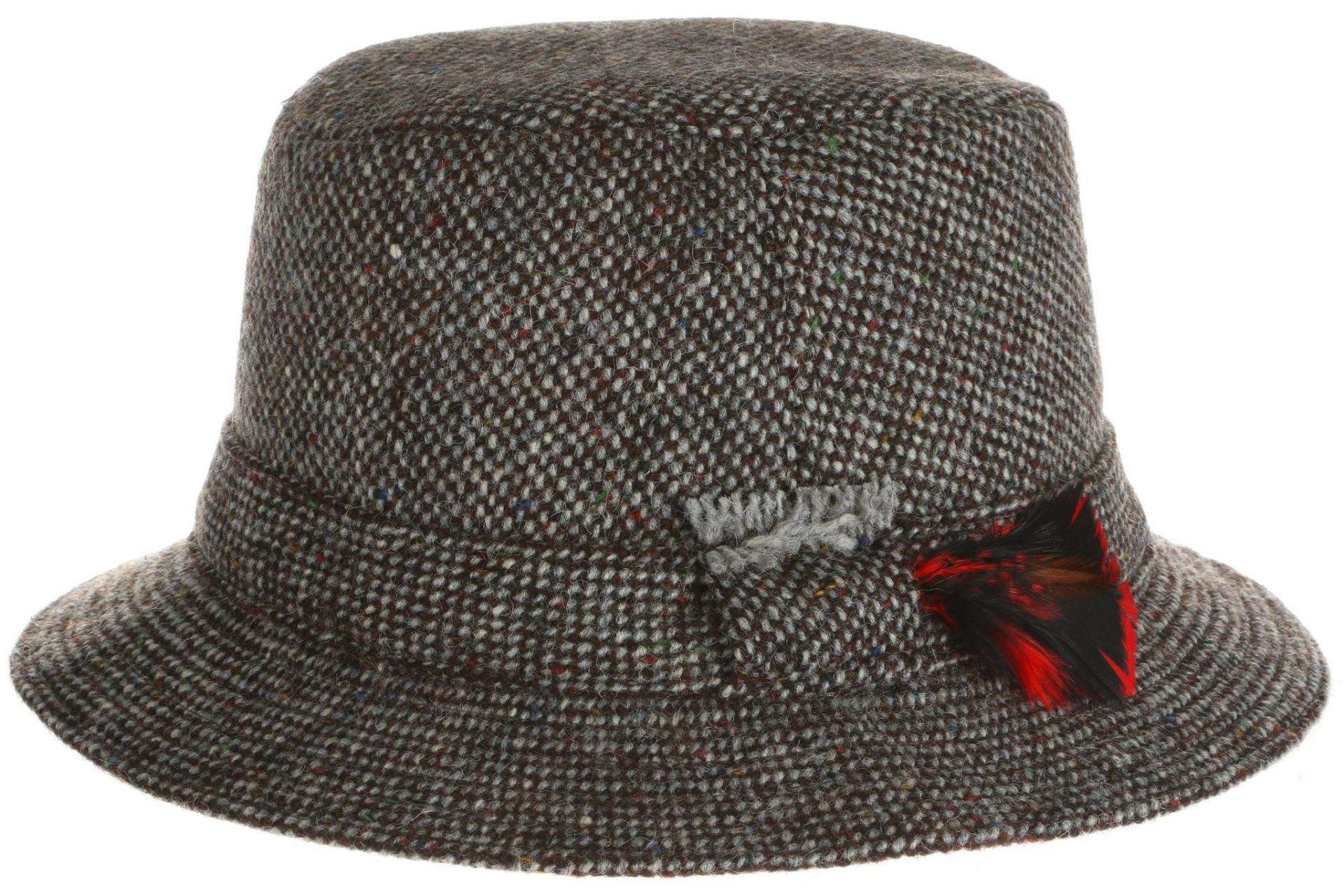
An Industrial Hat - The Rise of Cloth Caps in the 19th Century
The solid history of the flat cap seems to have a lot to do with industrialization.
The flat cap was a hybrid; growing out of the necessities of the industrial revolution combined with military innovations and even sports. It was modeled on not one but several different types of hat that developed at this time. While we do not have a precise point at which the cap really came into its own as a distinct style, we do have some good ideas as to why it evolved.
Safety and efficiency:
Closer-fitting hats with short but effective bills were far more efficient and safer while working in industrial settings. Imagine trying to work in a coal mine or at a giant steam hammer wearing a floppy farmer's hat or bucket hat. It would be awkward and inconvenient, even potentially dangerous as it could block too much of your upper view, get caught on things and knocked off.
Cheap practicality:
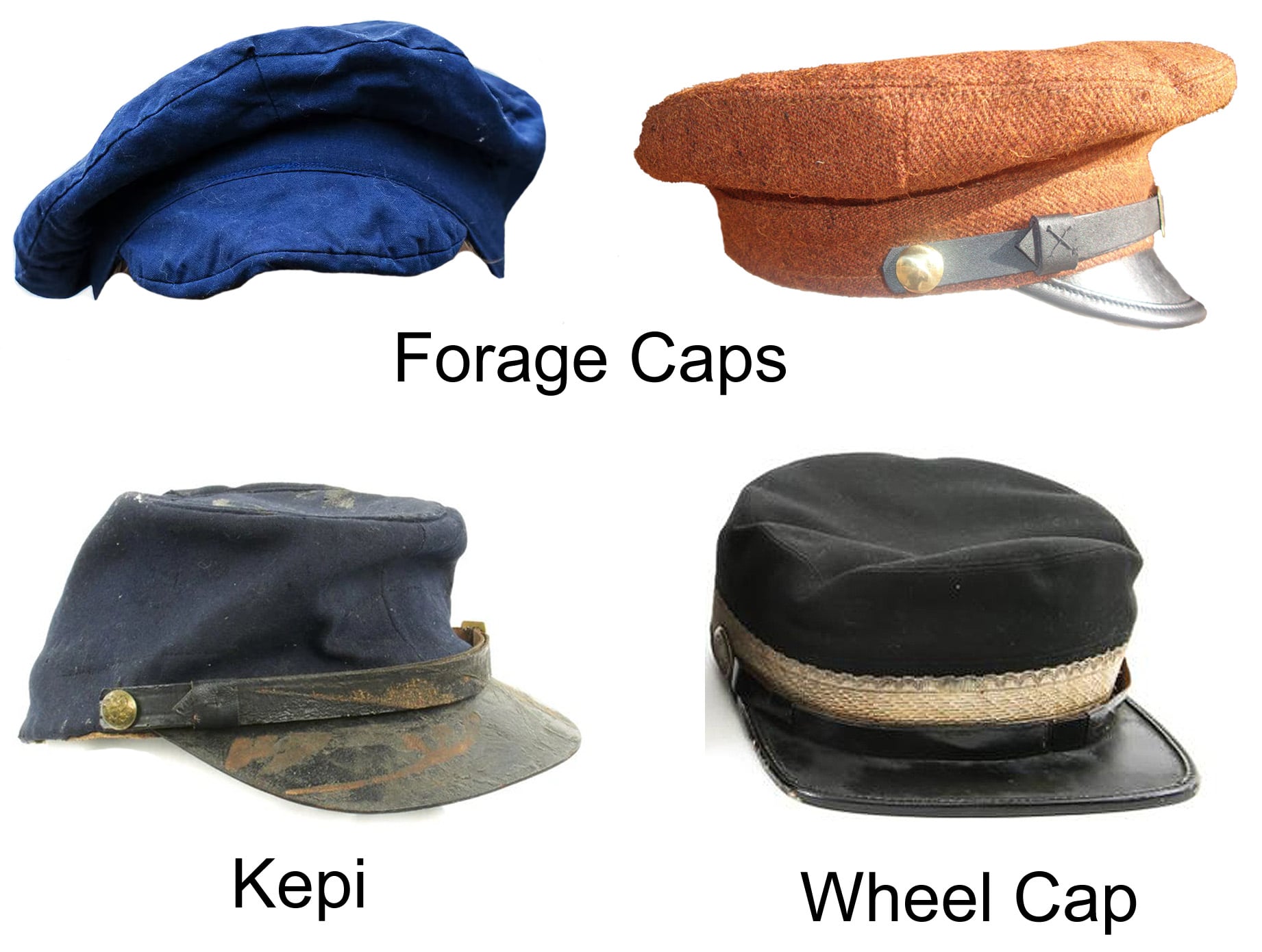
We see in the 19th century military smaller profile caps being adopted; offering 'good enough' protection while also being less likely to get in the way or block vision while marching in tight formation. The need for large showy headcovers in order to identify troops in the field (or to intimidate the enemy) was slowly fading. Forage caps, keppies, etc were cheaper and more efficient.
And Then There's Cricket
Here's the most shocking and amusing possible origin of the flat cap: It may have been a baseball cap.
That’s right folks. Our beloved flat caps, driving caps, newsboy caps, peaky blinders, scally caps…ALL of these styles have echoes from the ancient history of Cricket and Baseball.
Cricket was originally invented in the south of England. By the 1860s it had grown to be the second most popular sport in the UK - second only to boxing. In that decade we also first see more distinct equipment and uniforms for the game, including hats. Baseball, the offshoot of the game, copied almost all of its aesthetics before developing its own.
The cricket cap essentially includes all of the technical advantages we have already discussed, in addition to being great at keeping sweat out of the eyes.

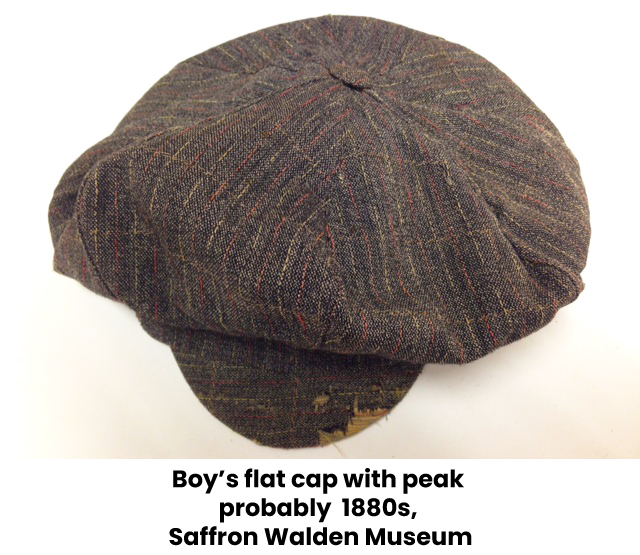
Flat caps are a perfect example of form following function; comfortable, practical and accessible. The soft construction, low profile, and use of durable materials made it suitable for work, play, and thus everyday use. Flat caps never completely replaced other hats as a working class go-to, but by the early-20th-century, it seemed like everyone owned one.
Cross-Class Adoption and Social Meaning
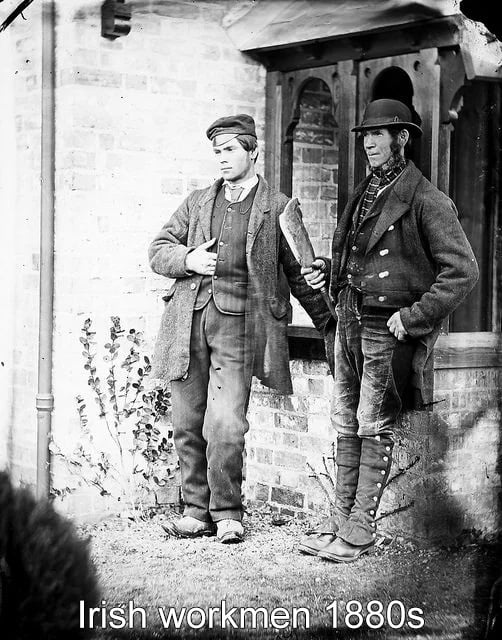
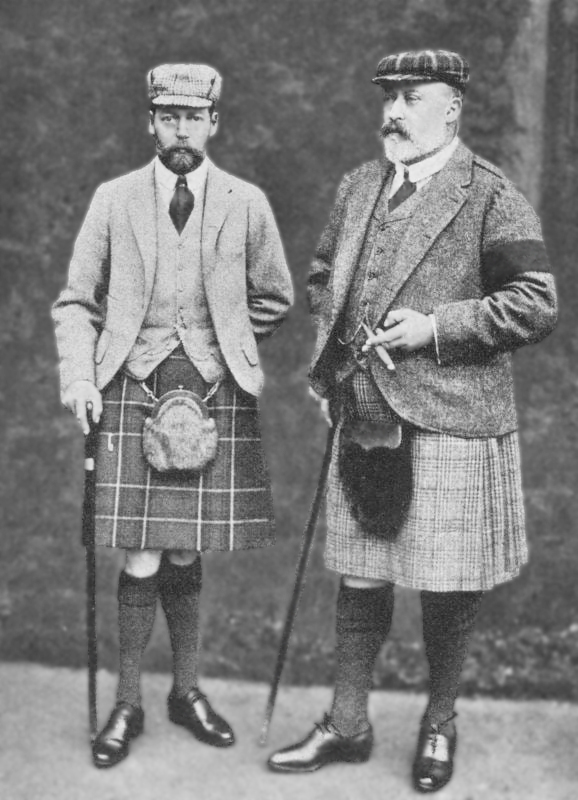
By the late 19th and early 20th centuries, the flat cap had become strongly associated with working-class men. At the same time, it was also adopted by wealthier individuals, particularly for country pursuits such as hunting and other outdoor activities. This dual usage is somewhat unique in the world of fashion. Few garments have maintained such a clear presence across social classes while retaining distinct meanings in each context.
For working men and boys, cloth caps—including flat caps—functioned as practical daily wear. For the upper classes, the same style became part of a leisure wardrobe tied to rural life and sports such as hunting, hiking, golf, and driving. This overlap contributed to the flat cap’s enduring cultural identity, linking it simultaneously to labor, tradition, and countryside pursuits.
Peaky Popularity in the Early 20th Century
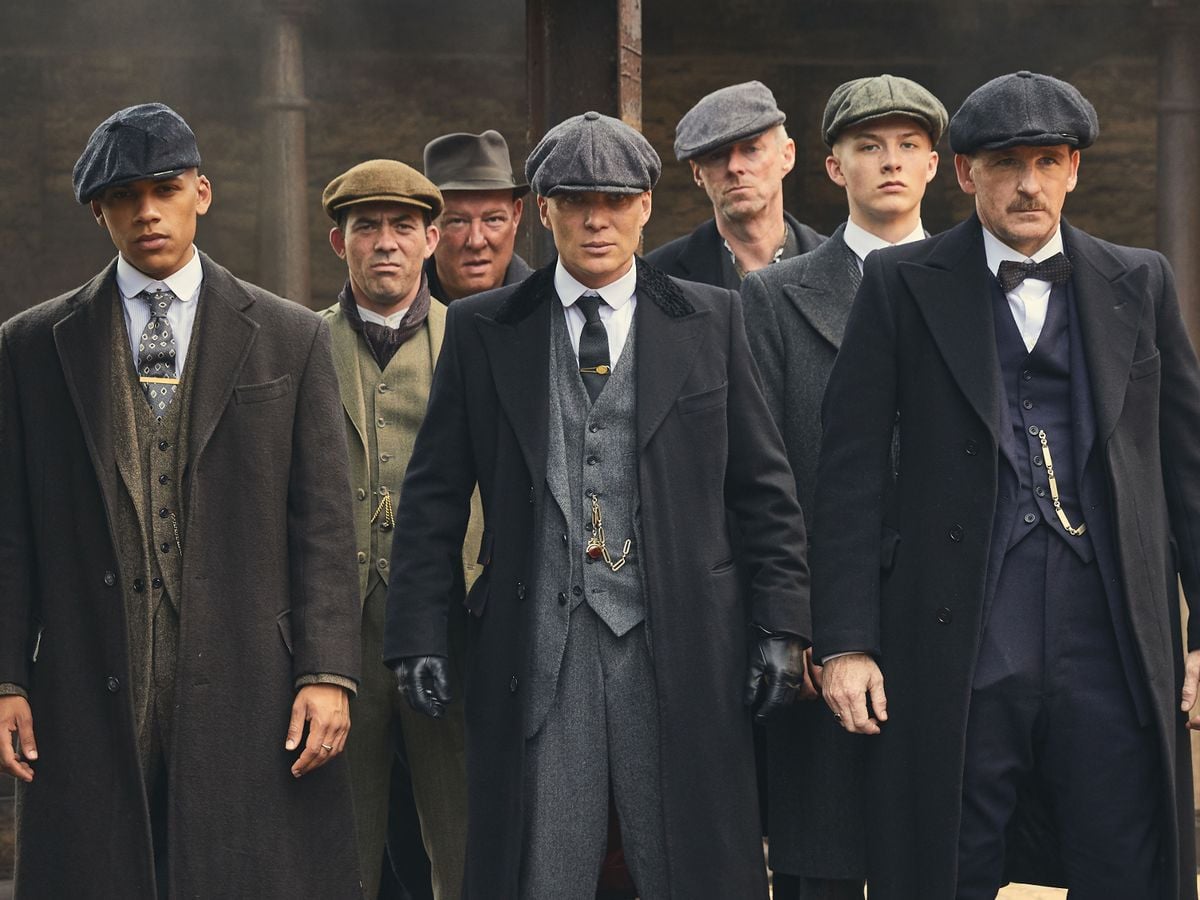
The 1900s through the 1920s marked the peak of popularity for flat caps, with the one-piece flat cap somewhat favored over the paneled version, the “newsboy cap.” materials ranged from wool tweed to linen and cotton, and in patterns such as houndstooth and Prince of Wales check.
These variations illustrate that the flat cap was not a single rigid design but a flexible category encompassing multiple related forms, unified by their general shape and function.
Mid-20th Century Persistence and Celtic Identity
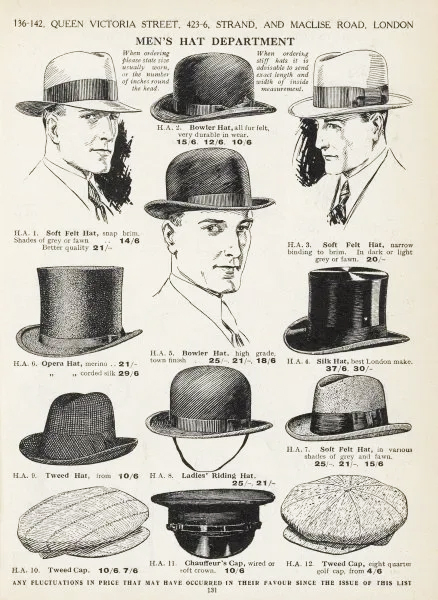
Flat caps continued to be worn throughout the 20th century. However, they existed within a broader ecosystem of headwear that was changing.
By the 1960s, hat-wearing in Western societies had declined significantly. Fashionable men and women wore far fewer hats during this period of cultural relaxation. This broader cultural shift affected all forms of everyday headwear, including the flat cap.
The baseball cap supplanted the flat cap as the working man’s default protective lid. Hats in general became emblematic of culture even more; often considered more of an affectation than a serious practical garment.
For instance, a cowboy hat carries a lot of connotations in our culture; the wearer is into western stuff, is from the west, may like country music, etc. Often it is only after that thought process that we think the person might be wearing a cowboy hat to keep the sun off.
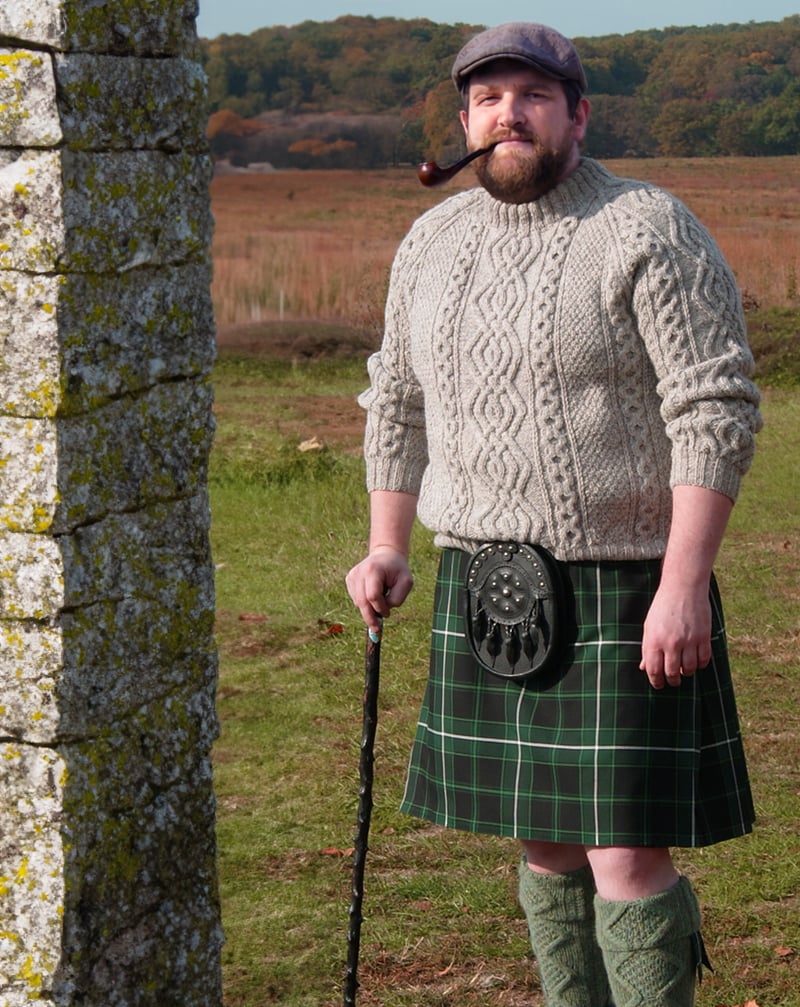
Meanwhile the flat cap became emblematic of British and Irish identity. Back in the damp old country, men (at least older men) still favored the flat cap for its advantages in the climate. And these were the gents you would meet at the village pub, perhaps joining in a sing-along during a cèilidh.
Conclusion
The flat cap occupies a distinctive place in the history of headwear. Defined by its low profile and soft construction, it emerged within a broader tradition of cloth caps that became standard working attire in the 19th century. By the early 20th century, it had reached peak popularity, worn across social classes and adapted into multiple variations. Although its everyday use declined in the mid-20th century, the flat cap has certainly seen a powerful comeback in recent years.
Is this the result of popular shows like Peaky Blinders, Boardwalk Empire and Downton Abby? A rise in "fogey" or "retro" fashion? These all have had an impact. But just as strong has been the popualrity of the flat cap in America's heritage-based subcultures. Irish heritage, flat caps, and the Dropkick Murphys go together like Guiness and shepherd's pie.
And it's not just the Irish. We know flat caps (like wheel caps and tams) have been a staple of Scottish deerstalking culture for ages.
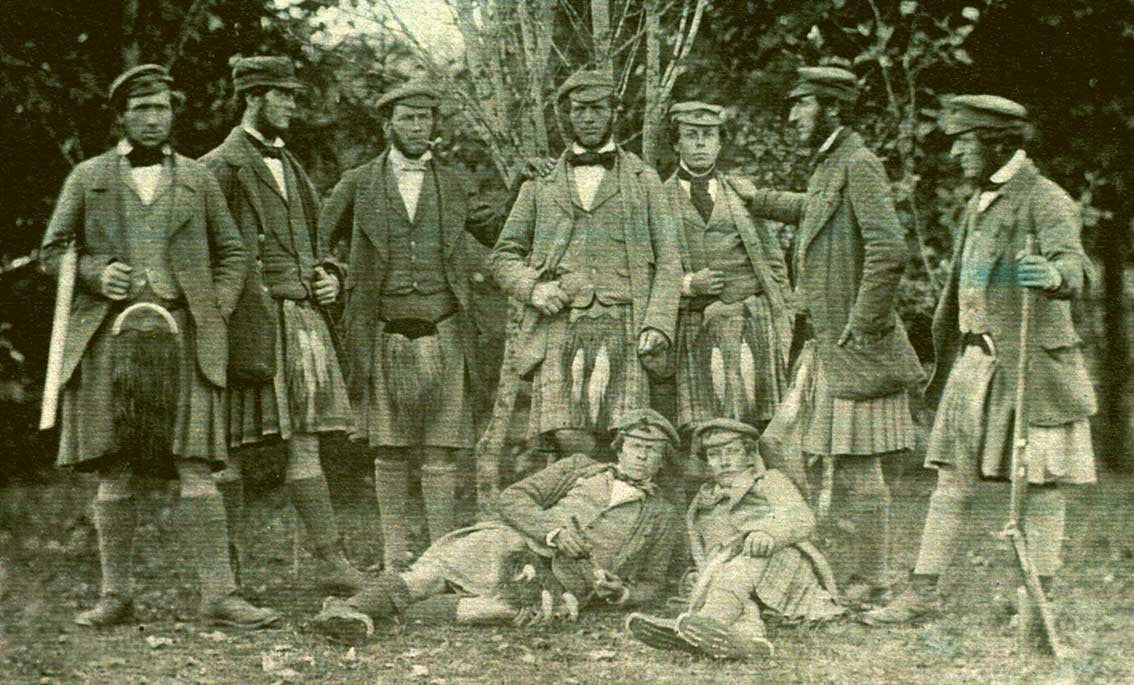
More so, there is a perfect balance in the flat cap between fashion and practicality - ease of wear and timeless style. Like the kilt or the Aran sweater, it can be updated here and there but still retain its core look. The flat cap speaks of the snug of a warm pub as much as the pit at a celtic punk show. It goes from golfing to driving to raking leaves in the backyard with ease.
In short, there may never be a more timeless, or reliable, hat for a man.