Are There “Forbidden Tartans”? The Truth About What Tartans You Are Allowed to Wear
If you spend enough time around Highland dress, sooner or later you’ll hear someone mention “restricted tartans.”
Maybe someone tells you:
-
“You can’t wear that tartan.”
-
“Only members of that clan can wear it.”
-
“That tartan is restricted.”
But how true are these claims?
The reality is that tartan etiquette is a mix of law, tradition, courtesy, and personal choice. Some tartans really do have restrictions. Others are simply associated with certain groups or historical contexts. And some “rules” are just cultural conventions that people interpret differently.
So let’s unpack the idea of forbidden tartans and look at what really matters when choosing a tartan kilt.
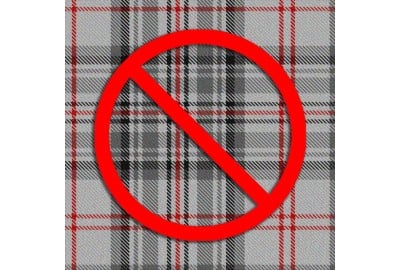
What Is a “Restricted Tartan”?
A restricted tartan is exactly what it sounds like: a tartan whose designer placed limits on its use.
When someone registers a tartan in the Scottish Register of Tartans, they can include notes about who is allowed to use or wear it. These restrictions might say things like:
-
Only members of a particular organization may wear it
-
Only certain mills may weave the fabric
-
Permission must be obtained from the designer
That said, enforcement often depends on professional courtesy between mills rather than strict legal rules.
In other words, most reputable mills respect the restriction, but someone determined enough might still reproduce it elsewhere. This is an ongoing issue with “knock off” runs of tartan woven by mills in Pakistan, China or other places.

What Does It Mean When a Tartan Is Copyrighted?
This is where things move from etiquette to actual legal protection.
If a tartan design is copyrighted, it becomes the intellectual property of the designer just like any other piece of commercial art or a logo. That means:
-
The design cannot be reproduced without permission.
-
Businesses cannot market products using it without authorization.
-
Legal action may be possible if someone uses it commercially.
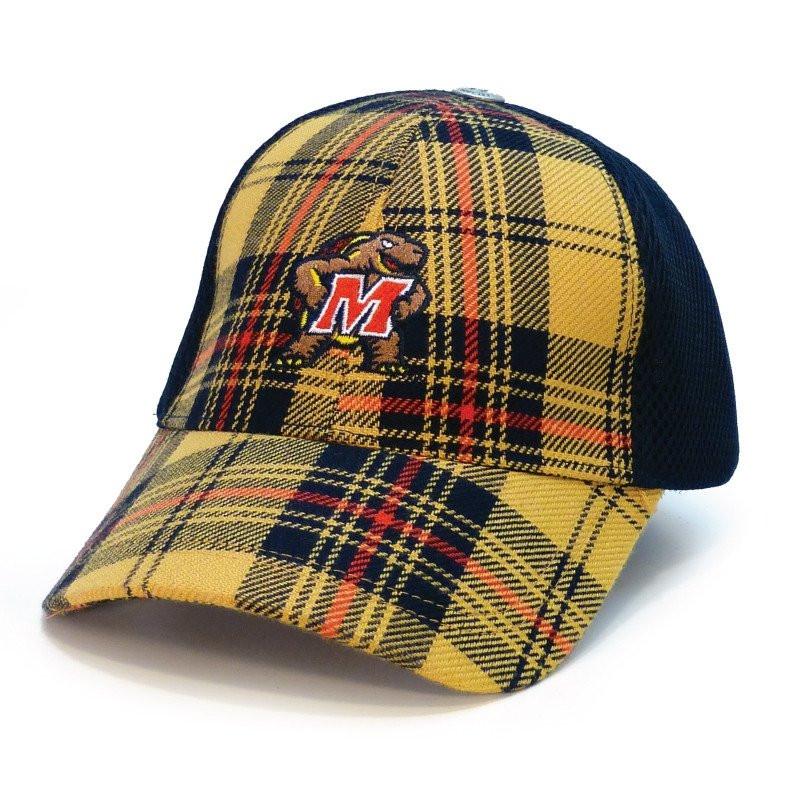
A classic example of this is college or university tartans. We are occasionally asked if we can make a kilt in the XYZ University tartan and the answer is invariably no. Schools are especially protective of their official, copyrighted tartans because their principal use is for decorating promotional products; things you find in the campus bookstore or through the alumni organization. School tartans are thus branding and also money-makers.
Similarly, some tartans generate licensing revenue for their designers when mills produce them. In those cases, the mill pays a small royalty for each meter of cloth produced.
Is It Wrong to Wear a Clan Tartan That Isn’t Yours?
This is probably the most common question people ask when buying their first kilt.
Short answer: No, it isn’t strictly forbidden. But there are different viewpoints on the topic.
Some traditionalists prefer that you wear a tartan connected to your family heritage. That might include:
-
Your father’s clan
-
Your mother’s clan
-
A spouse’s clan
-
A clan you are strongly affiliated with
Others take a more relaxed approach and simply choose a tartan they like. Usually the longer you are enjoying the kilted lifestyle, the more of a collector you become. This usually results in you owning a clan tartan you are not attached to by blood.
One approach for the collector who wants to keep it all “in the family” so to speak is to buy different variations of the clan tartan. For instance the weathered, muted, and ancient color palettes, or the clan hunting tartan (if there is one).
Another approach would be to have a kilt or two in your clan tartan and then opt for district, organizational, commemorative, or fashion tartans for your other kilts.
Some gents will let their genealogy lead them and collect tartans based on different family lines or even their spouse’s family lines.This can be a lot of fun and a great conversation starter.
If you do not have a clan affiliation can you still wear a kilt?
Absolutely. One way to play it safe is to only wear non-clan tartans of which there are literally thousands.
If you do want to wear a clan tartan, we recommend you memorize the name and few facts about the clan’s history, just to show respect. Will you get asked about it? Maybe at a festival, but honestly this happens a lot less often than people think. If you do get stopped, the ticket is to be able to say, “I love your tartan and I have a lot of respect for the XYZ clan based on what I have read.”
But here’s something to keep in mind. In Scotland very, I mean very, few people are going to care. Many Scottish people today do not even know their own clan’s tartan. Though kilt wearing is coming back, most gents across the pond only really care about what will look sharp on their wedding day. This is why kilt rental companies in the UK offer so many fashion tartans.
This is pretty natural. Across the globe it is often people living in a cultural diaspora who are the most passionate about the traditions of their ancestors rather than the folks living in the home country (assuming we are talking about industrialized nations).
Bottom line, do not worry about offending anyone. For many people, wearing only their clan tartan is how they feel they can best honor their heritage. But for others it’s about celebrating Celtic culture more broadly. You can do either, or both. Just wear the tartan correctly with pride and dignity.
Why Is the Balmoral Tartan Considered Restricted?
If there is one tartan that almost everyone agrees is off-limits, it’s Balmoral.
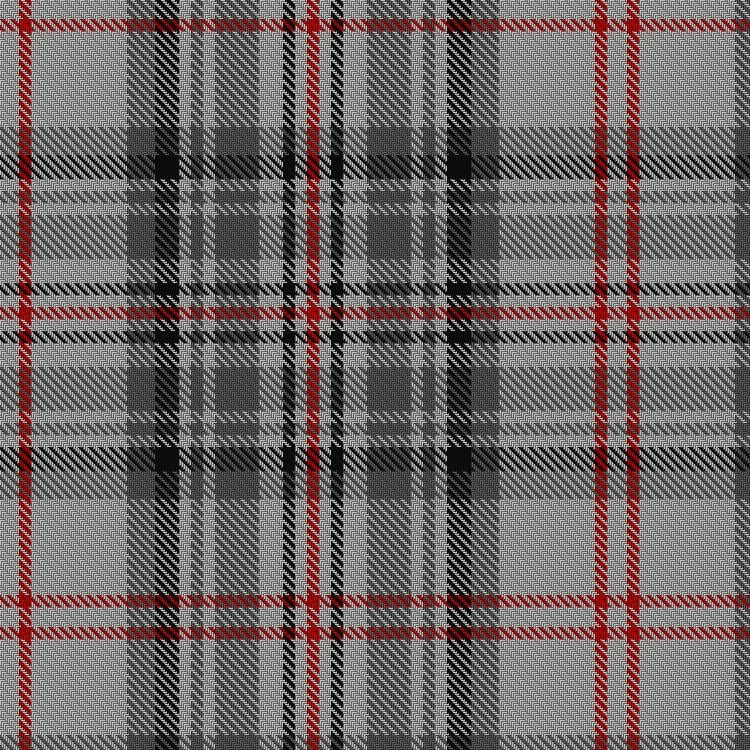
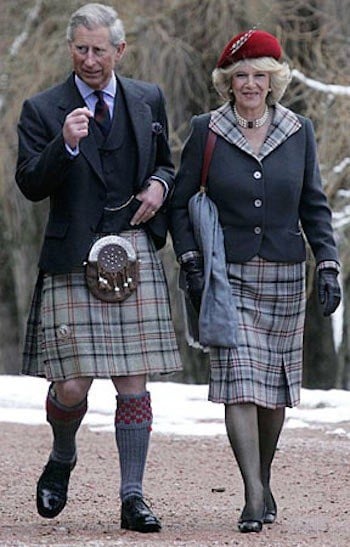
This tartan is traditionally reserved for the British royal family and closely associated with Balmoral Castle in Scotland.
Unlike most clan or district tartans, Balmoral is not something you will see available for public purchase. And even if you did, most people in the Highland dress community would consider wearing it very bad form. It seems that even those among us who really hate the royals, for whatever reason, will bow to this tradition.
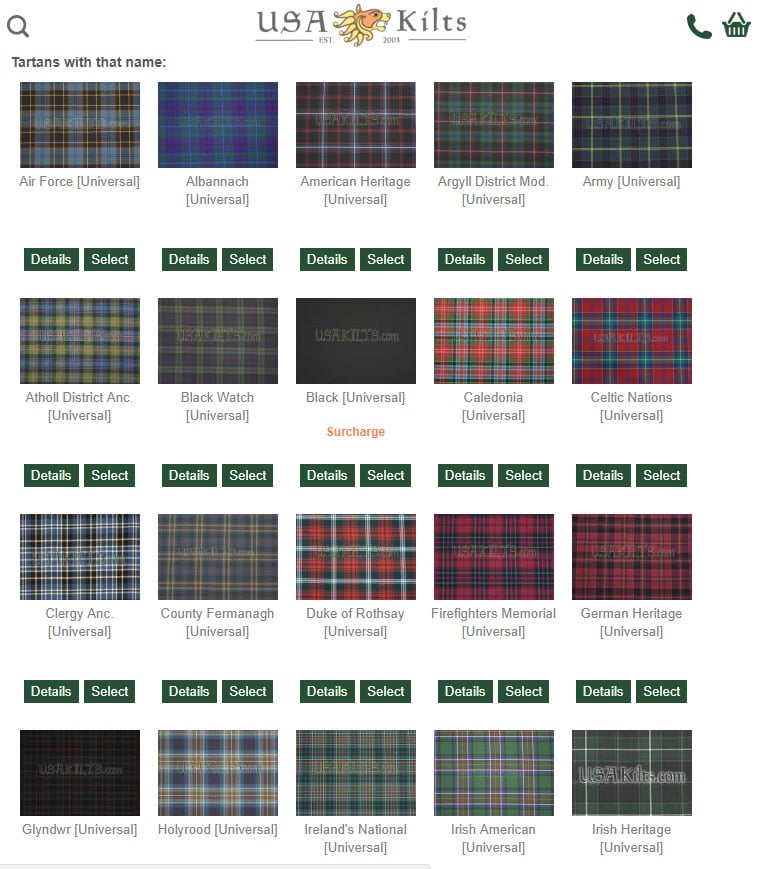
Interestingly there are several other tartans which are associated with, or were even commissioned by, British royalty which are entirely universal (open to anyone to wear). These include the famous Royal Stewart tartan, which has been rendered in a variety of alternates colors for use in fashion.
Another is Holyrood, which was originally created for Queen Elizabeth II for drapes and upholstery at Holyrood castle.
Is the Black Watch Tartan Controversial?
The Black Watch tartan is one of the most famous tartans in the world.
It originated in the Scottish Highlands in the early 1700s. After the Jacobite uprising of 1715, the British government sought to maintain order in the Highlands. In 1725, General George Wade formed six companies of Highland soldiers to patrol the region.
These companies came from several clans:
-
Clan Campbell (three companies)
-
Clan Fraser of Lovat
-
Clan Munro
-
Clan Grant
Because they served as guards or watchers over the Highlands, they became known as “The Black Watch” (Gaelic: Am Freiceadan Dubh), referring both to their duty and the dark colors of their tartan.
These companies later formed the 42nd Regiment of Foot, one of the first Highland regiments of the British Army. By the mid-18th century the regiment wore the standardized tartan uniform known as Black Watch or the Government Sett.
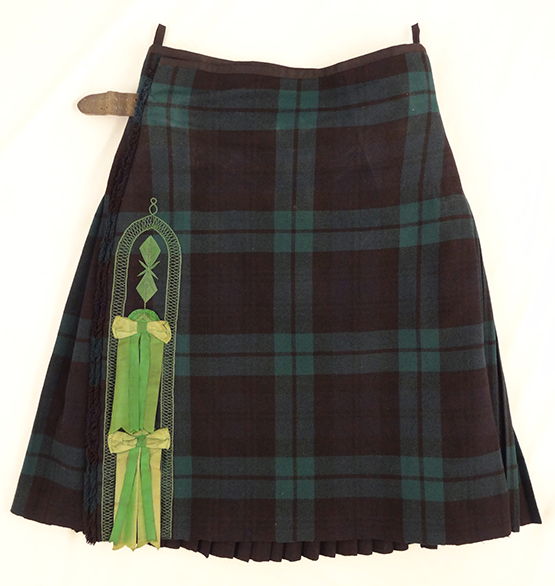
Is the Campbell Tartan the Same as the Black Watch Tartan?
Yes. The tartan we know as Campbell is historically the same sett as the Black Watch tartan. Many of the original Highland companies that formed the Black Watch were Campbell units so the pattern used by those troops became strongly associated with the clan. In a seeming attitude of “if it ain't broke don’t fix it”, the Campbells officially adopted the tartan as their own later on. After all, it did symbolize their warriorship and loyalty to the Crown - qualities they were quite proud of.
Today most clan members opt for an ancient color palette or another alternative such as a branch tartan (Campbell of Breadalbane, Campbell of Cawdor, Campbell of Loudoun) in order to differentiate themselves from the generic military tartan.
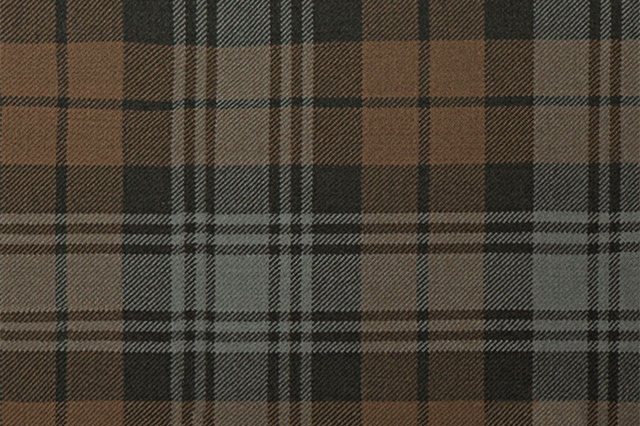
The Controversy Is a Tempest in a Teapot.
Today Black Watch is extremely popular and worn by millions as a basic fashion tartan.
However for a few, the tartan’s historical association with British army units deployed in northern Ireland over the years, especially during The Troubles, has given it a sour connotation. For some Black Watch is viewed as the tartan of the oppressor.
Is this common? Actually, no. We have only ever heard the anger voiced by a few people in the Irish diaspora who support Irish nationalism. Several years ago we actually asked a few of our Irish business contacts if it was “a thing” over there and they all said no.
So should you wear it? Of course you can. Anyone can. If you are of Irish descent, you might want to consider an Irish tartan though; simply because it is a lot more fun and a far better representation of your heritage.
What About Military Tartans?
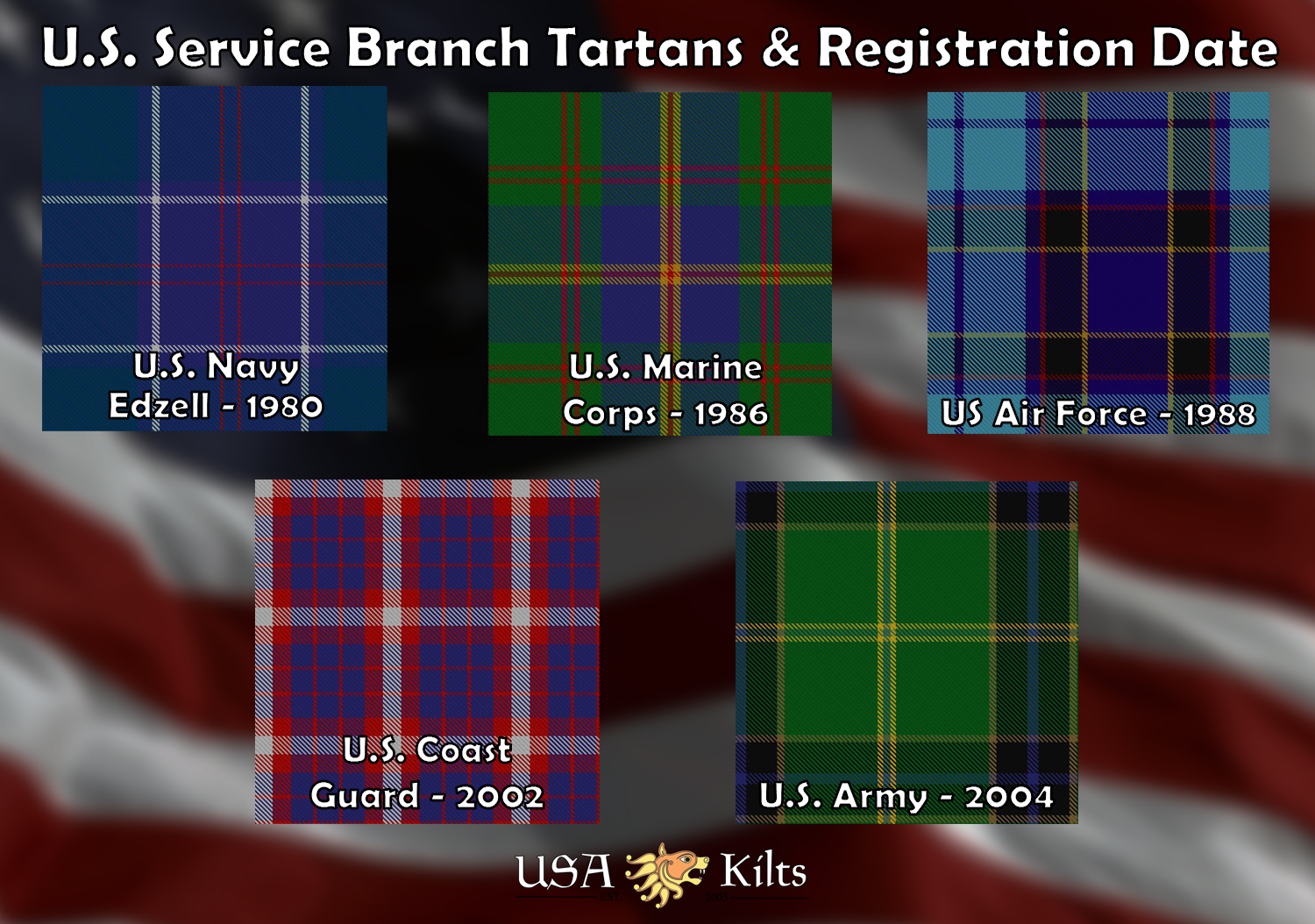
Some tartans exist as symbols of specific institutions rather than general heritage patterns. You may have seen tartans representing branches of the U.S. military such as:
Here’s something interesting:
With the exception of the Coast Guard tartan, none of these are officially adopted by the military itself.
Instead, they were designed and registered by individuals to represent those branches; personal expressions of pride and membership. Over time they became widely recognized through use by veterans, pipe bands, and military supporters.
For the most part, we recommend you only wear these tartans if you are a service member, veteran, or a family member of one. There is nothing stopping a civilian from wearing any of them. However, we feel it is simply a matter of good taste and respect. And frankly you do not want to have an awkward conversation with a vet who, upon seeing the tartan, assumes you are a brother-in-arms when you are not.
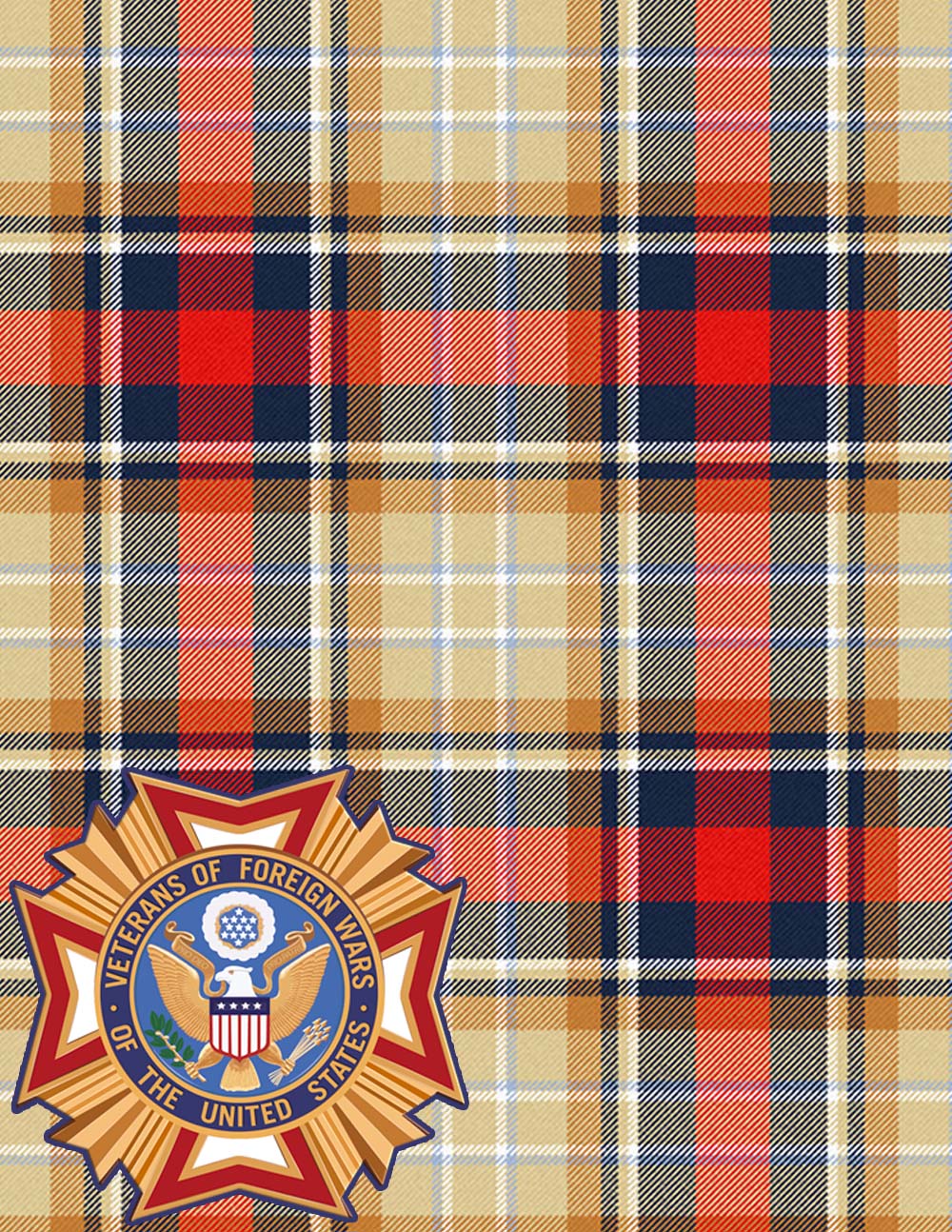
This extends to veterans’ organization tartans such as the VFW tartan, which is exclusively for members of the Veterans of Foreign Wars.
Are Organizational Tartans Different?
There are many tartans that represent specific organizations such as:
-
Veterans’ organizations
-
Pipe bands
-
Associations
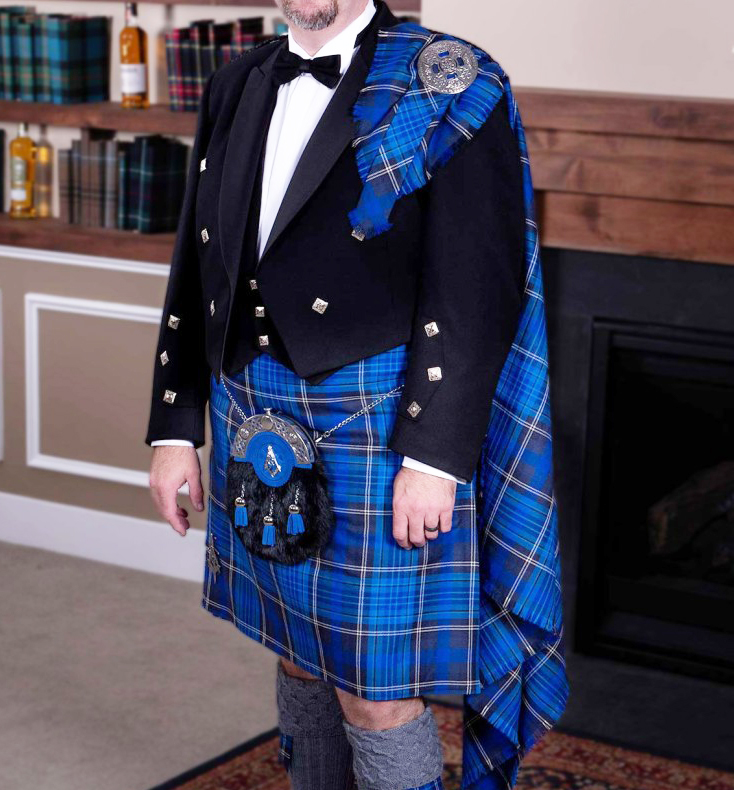
These setts function almost like uniforms or brand symbols although the level to which they are restricted varies widely. There is nothing to stop anyone from buying one of the Masonic tartans, for instance.
But really, why would you if you are not a member? From an etiquette standpoint, most people would agree that wearing these tartans only makes sense if you actually belong to the organization they represent. Or at the very least, have a strong connection like being the spouse of a member - the same logic we apply to military tartans.
Just don’t be “that guy.”
What Are the “Kilt Police”?
Ah, the kilt police. If you hang around kilt wearers long enough, you’ll hear about them.
This isn’t an actual authority, of course. It’s the tongue-in-cheek term for people who strongly, and vocally, advocate their interpretation of Highland dress rules. And no surprise, you find them online more than in real life.
Sometimes input on what is traditional vs. what is not, or what is a solid fashion choice vs. what is too trendy, can be really helpful. Done in a friendly and welcoming way, this sort of feedback can be great for new kilt wearers; we all want to feel we are doing it right.
But sometimes it can go too far. Passion can lead to snobbery and gatekeeping. And that in turn drives new people away from wearing the kilt at all. And then we lose as a community.
Highland dress is unique. It is far more flexible than any other form of national dress. And indeed, it has always been considered both the national dress of Scotland and at the same time something more.
It has always evolved over time. Traditions change, styles shift, and new interpretations appear. Indeed the only element of Highland Dress that never changes is the kilt itself. This is a wonderful thing! It has allowed for new and exciting expressions keeping the tradition vibrant for decades.
What to Do If You Encounter the Kilt Police
Sometimes the best thing to do is simply “smile and nod.” A kilt policer may have some points to consider, but nobody but YOU determines how you should express your style and heritage. Online, our advice is to simply not engage.
If a critic is just slamming you with:
“that’s wrong!”
“Nope.”
“You look stupid.” etc.
… they are worth zero percent of your time and energy.
If a critic offers actual information or calls out specific elements:
“that sporran really isn’t for wearing during the day”
“Don’t mix tweeds like that.”
“You should be wearing kilt hose at all times.” etc.
…take mental notes for later. You can ask other gents for their opinions. You can try what they are advising if you want. You can reject it outright. Again, you probably do not want to engage with this person, but it could be your own interpretation of their rules could be useful to you in the future.
What to Do If You ARE the Kilt Police
Please relax. The old saying goes “you catch more flies with honey…” and we need men, especially young men, to feel welcome in expressing their heritage and style. If you want to see Highland Dress survive and not become a relic, something just trotted out at parades and for tourists, you need to boost these new gents up.
We recommend offering constructive criticism; in private whenever possible. Do not shame these guys. Use words befitting a gentleman.
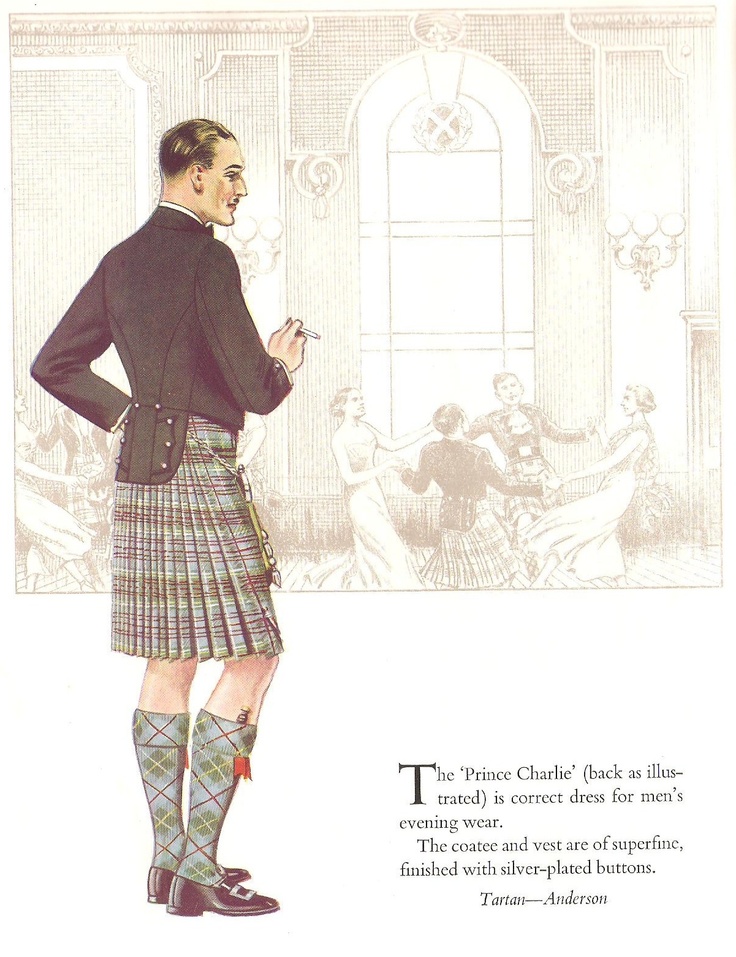
Do keep an open mind. Remember that even the classic Prince Charlie coatee was once a new-fangled jazz age contraption invented to appeal to younger men. Have faith that trendy styles, if they are too weird, will fade away. And a lot of the people you meet will gravitate to the more traditional looks as they mature and gain more knowledge. We all start somewhere and a lot of us do it with limited resources. Respect that.
Most of all, lead by example. Showing your style and acumen with the traditional dress will do far more good than cutting down a newbie in an online forum.
So…Can You Wear Any Tartan You Want?
In most cases, yes.
The vast majority of tartans available today are open to the public. And if you walk into a Highland Games or Celtic festival, you’ll see people wearing every imaginable tartan combination.
That said, it’s still good practice to:
-
Know the story behind your tartan
-
Respect genuine restrictions
-
Understand cultural symbolism
Once you know those things, you can make an informed choice about what you want to wear.
The Real Rule of Tartan Etiquette
If there is one guiding principle in Highland dress, it’s this:
Wear your kilt with confidence and respect for the tradition behind it.
Just like choosing whether to go regimental or wear underwear under your kilt, the ultimate decision often comes down to what makes you comfortable and proud of the heritage you’re celebrating. Because at the end of the day, kilts are meant to be worn.