Could a French Invasion Have Saved the Jacobite Cause?
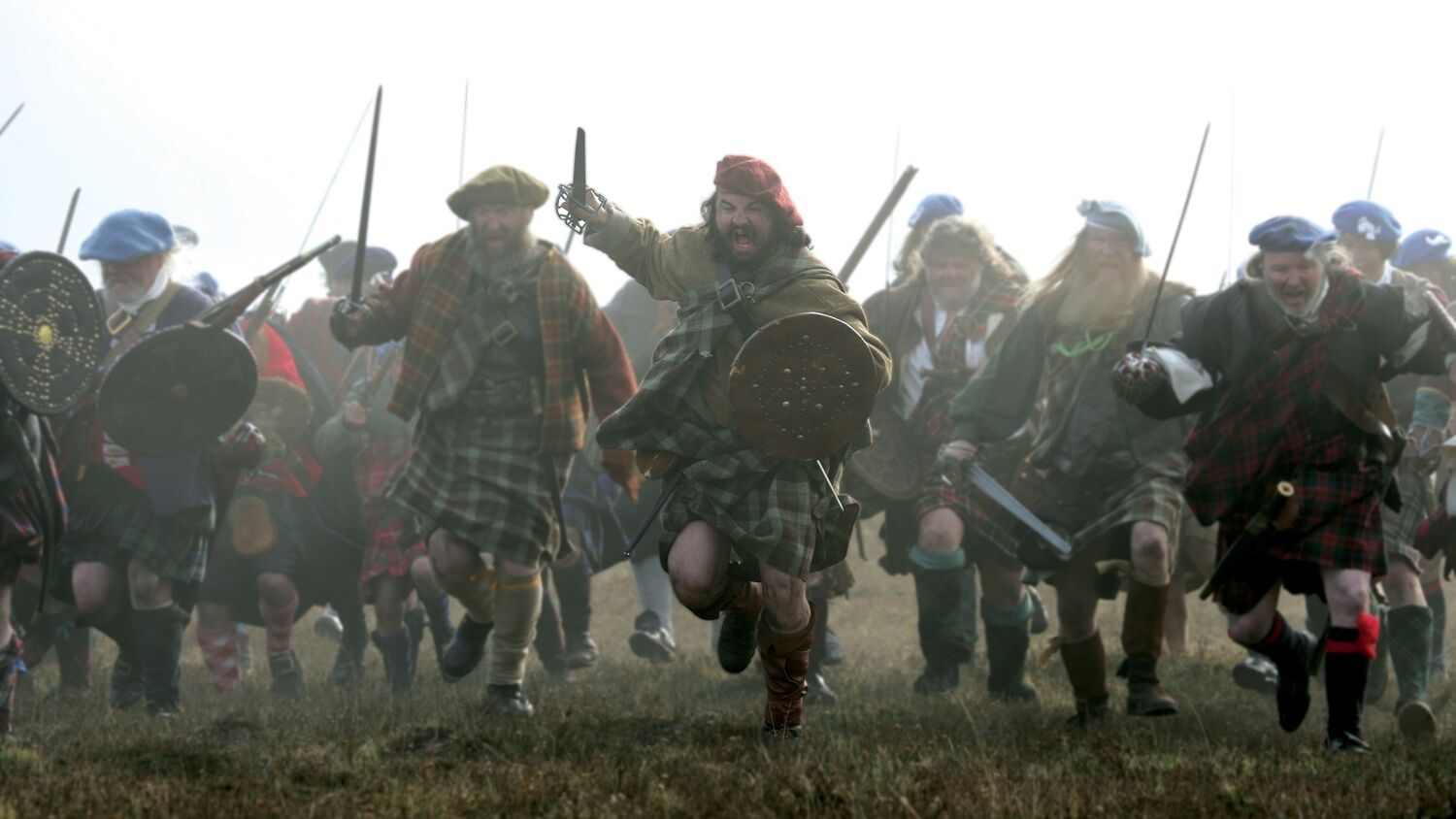
For the great Jacobite Uprising of 1745-46, French boots on the ground would have made a serious difference. In fact the Jacobites had counted on it all along. However, French involvement was strategically motivated, not based on notions of patriotism, justice or freedom.
France and Britain were bitter rivals and enemies and the ‘45 had everything to do with the War of Austrian Succession. The hard truth is the Jacobite Uprising was more or less a side show, a proxy war. It was an oblique attack on British military capability which, if things had gone well, could have ended in regime change. But for the French that was a ‘best case’ win, not a necessity.
France initially planned a major invasion in 1744 ostensibly to restore the Stuart monarchy. However this was abandoned due to weather and naval difficulties.
In 1745, knowing that Prince Charles Stuart had taken Carlisle in November and was marching to Derby, the French did attempt to launch a support expedition. This was a significant force; roughly 6,000–7,000 troops by most estimates, including regular infantry, Irish Brigade detachments, and the Royal Écossais (a Scottish unit raised and trained in France).
But bear in mind, it was small compared to the armies engaged in the war on the continent. Austria fielded about 157,000 troops. France over 100,000 troops. Prussia, under Frederick the Great, 80,000 men. The British were the little guys operating mainly in the Lowlands with something between 25,000 and 40,000.
In any case, the French force never successfully landed due to British naval pressure, logistical issues, and poor timing (a theme we will see again).
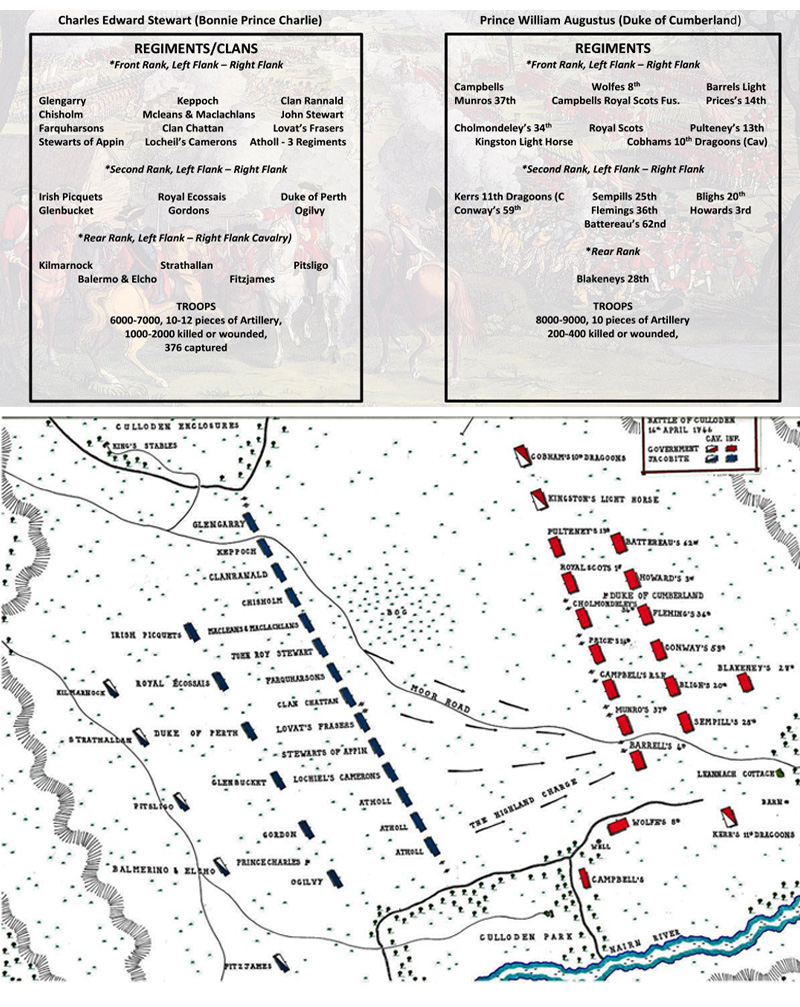
Instead, only a much smaller contingent, primarily the Irish Picquets and the Royal Écossais, totaling about 800–1,200 men, reached Scotland in late 1745 and early 1746. Charles had since retreated north, the invasion of England a failure.
Around 600–900 of the French force were present at Culloden on April 16, 1746, where they served in the second line and acted as a disciplined reserve helping to cover the Jacobite retreat despite suffering losses.
While these troops were among the most professional in the Jacobite army, their limited numbers and the failure of the main French invasion force to arrive meant that French support, though symbolically and tactically important, was “too little too late.”
But What About After Culloden? “War of the Mountains”
During the week following the battle of Culloden a force of somewhere between 1,500 and 3000 Jacobites gathered at Fort Ruthven in Badenoch.
Ruthven had been a British army garrison first established in 1721 to police the Highlands. The Jacobites had captured it (on their second attempt) in 1745. Now it was their only logical muster point in their retreat. Here they awaited word from Charles Edward Stuart. On April 20, they got it.
"Let every man seek his own safety in the best way he can," wrote the Prince.
Disheartened and as always full of internal disputes, the clansmen disbanded and went home. There would never be another sizable gathering of Jacobites.
But this did not have to have been the case.
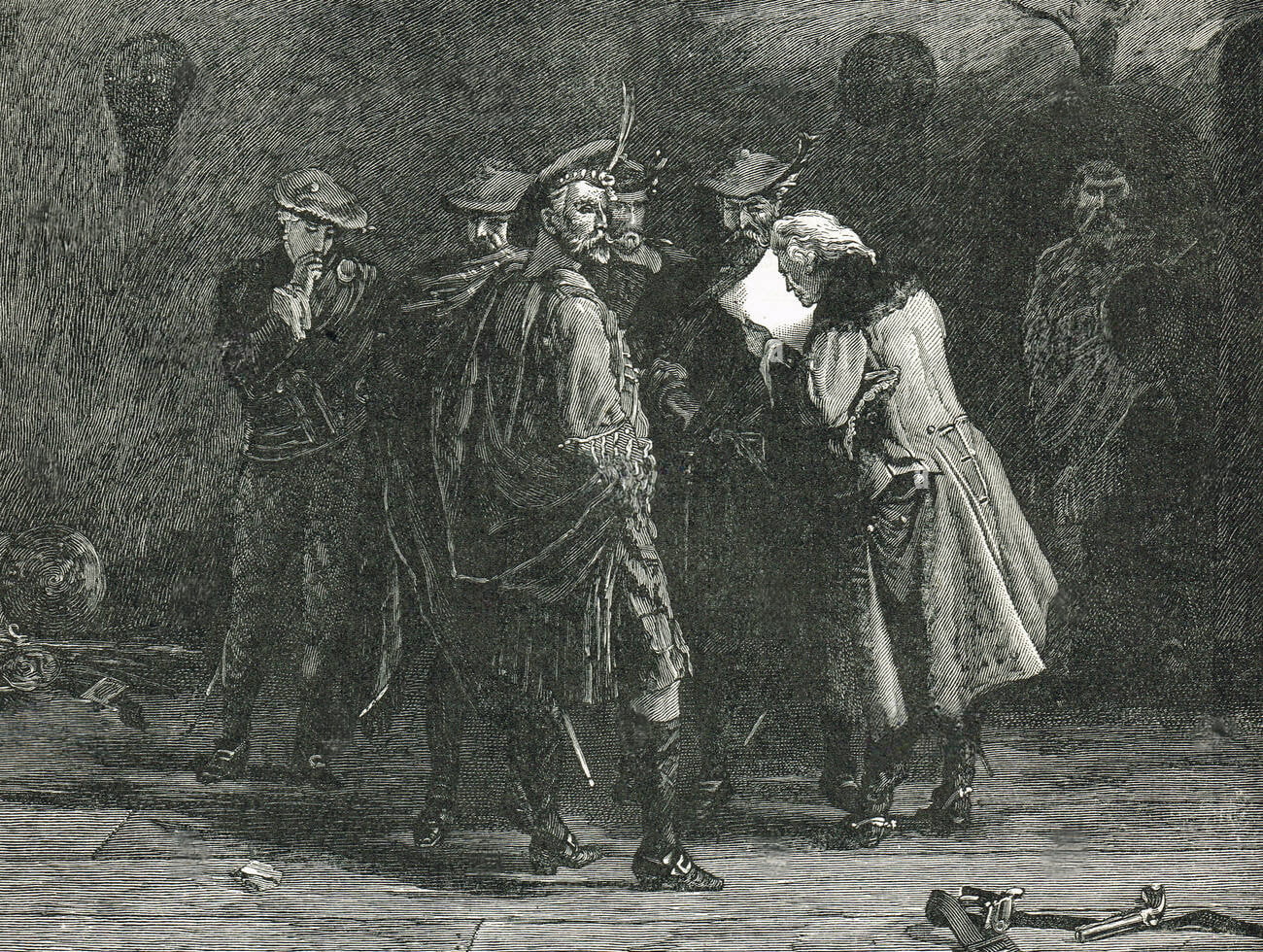
An officer who was present, the Chevalier de Johnstone, apparently suggested to the clan chiefs that they conduct a “war of the mountains” in their own defence (this from his own written account). If this suggestion had been followed, it could have had a strong knock-on effect because the idea of a Stuart restoration had not left the minds of the French.
After Culloden, as we all know, the British government enacted a crackdown on Highland residents and their culture. Construction of the military roads was completed, the Act of Proscription and other laws were enacted (but pretty poorly enforced it seems), and around 3,500 Jacobites had been captured, about 900 of whom (men women and children) were transported. However, recent scholarship suggests that the British state’s power in Scotland remained somewhat hollow. In his Edinburgh thesis, Alastair Noble describes the period after the Uprising as one of negotiation with the locals to achieve ordrer and some sense of compliance with the new laws, especially the Highlanders.
So here’s a “speculative counterfactual” for you.
If the Jacobites had remained united, it is possible they could have operated as a shadow force undermining governmental control with pockets of resistance in hard-to-reach areas. These could have served as effective safe zones for Jacobite leaders and bases for foreign forces.
Such a prolonged resistance could have encouraged the French to launch their next attempt at invading Britain sooner. Because yes, they wanted to. They had even courted Charles Edward Stuart once more to participate in another uprising/invasion but had found him too drunk and obstinate to work with.
And there was still home-grown resistance. In 1752–1753, a bizarre conspiracy called the Elibank Plot was planned by one Alexander Murray of Elibank, a dedicated Jacobite and former British Army officer (oops). The plan was to kidnap King George II and his family and sneak them to France. Charles Edward Stuart was theoretically aware of the scheme. However the plot never got past the planning stages. Murray fled to France, where he became a key agent for the Stuart cause, later dubbed "Count Murray."
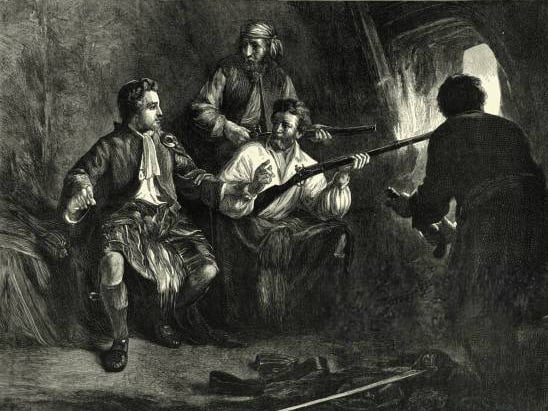
For many years following the defeat of the Bonny Prince, the Jacobite movement persisted as a threat to the Hanoverian dynasty.
The possibility of a Stuart restoration by foreign military intervention was not completely eliminated until 1759.
In this year the French were revitalizing their plan from 1744. The war was now more exclusively between France and Britain; the Seven Years War. It was a long drawn-out, slow-bleed of a war for colonial hegemony. The prospect of eliminating Britain completely as a player prompted the invasion scheme. This time, regime change was more in focus.
The French built hundreds of flat-bottomed boats and escort ships (at a cost of around 30 million livres). The assembled force included about 325 transports for 48,000 troops. This army would cross the channel from Le Havre and land at Portsmouth. It was to be a massive stealth operation; launching as far from blockading British ships as possible and without fleet support which might be noticed.
At the same time, a smaller force would land at the mouth of the Clyde to rouse the Jacobites. The French estimated that they could count on around 20,000 Scottish Jacobites, mostly Highland clansmen. Incredible!
This confidence could have been misplaced and a gross overestimation. However, the fact that they thought this is a strong indicator of just how passionate, dedicated and dangerous the Highlanders were still considered.
According to the plan, the British home guard would have been caught in a massive pincer movement from the north and south. As we all know, this did not happen.
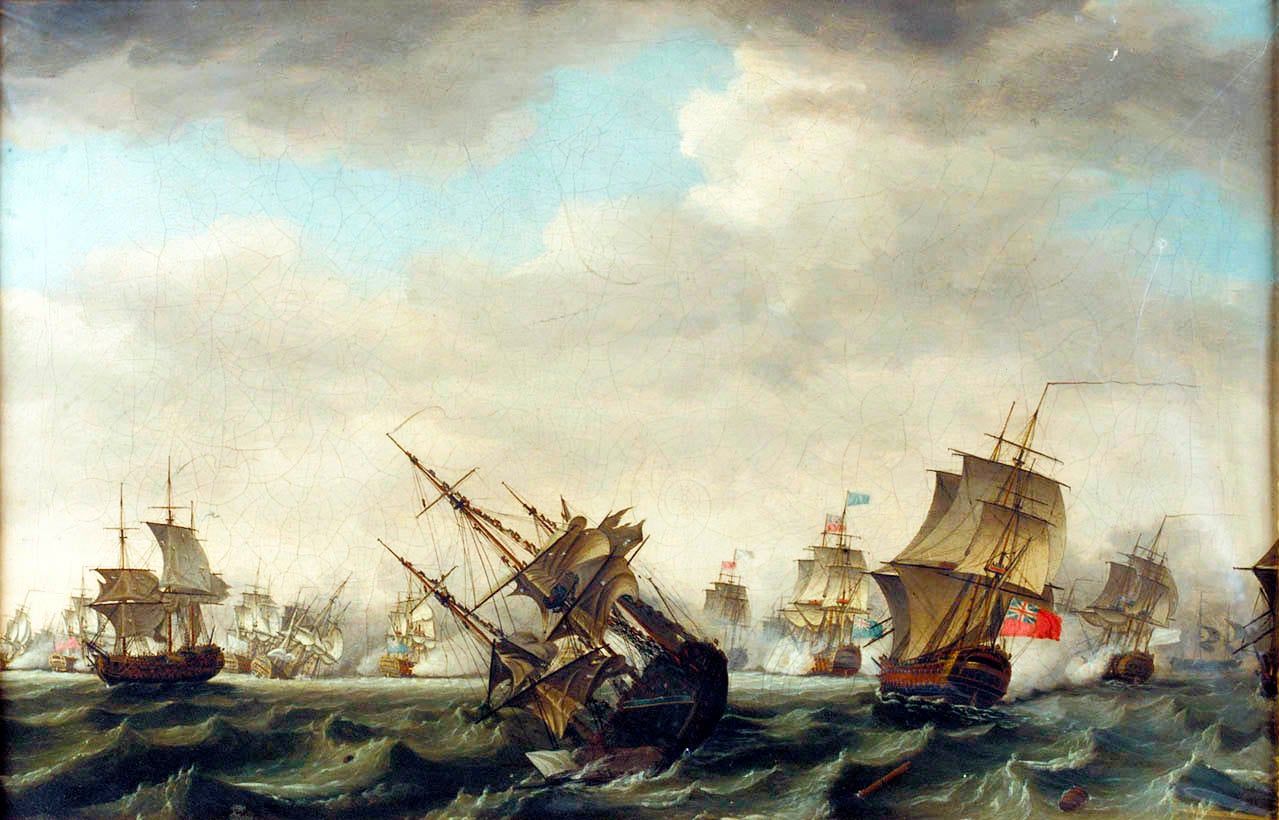
The naval theatre of the Seven Years War is a whole different subject. Suffice to say a combination of bad weather, disease, British blockades, logistics and superior seamanship (despite being the tactically weaker fleet at the time) resulted in the invasion becoming impossible. On November 25, 1759 the Royal Navy ravaged the French fleet in the Bay of Quiberon and it was all over.
Could it have been more realistic if the ‘War of the Mountains” had been waged? It’s very complicated, but this author thinks … maybe. A guerilla resistance could have drained Hanoverian resources. If the French had made a more regular habit of smuggling arms and supplies to the English and Scottish Jacobites and the Catholic Irish, it could have better softened up Britain.
We have proof of concept from 1745-46. The British were not really prepared to meet the Jacobites when they attacked. Prestonpans showed the home guard to be weak and undertrained. Nobody stopped Charlie from getting as far as Derby. The Duke of Cumberland had to be recalled from the Lowlands, where he and everyone else would have preferred him to be, to put down the Highlanders.
I may be a inebriated by the heady liquer of "what if" but I feel in the years after Culloden the Highlands could have become an effective quagmire. However, as we have seen, the most significant aspect of the conflict was naval. You could defeat the Brits on their home turf, but you had to get there first.
Better to Fade Away Than to Burn Out?
Essentially the Jacobite Uprising could have functioned as part of a larger more focused attempt to remove the Hanoverian dynasty. But on its own, without massive dedicated support, it could not succeed. France, we could say, was looking for a bargain throughout most of this period. That rarely results in good results militarily or politically. Only at the end in 1759 did they seem to really commit a sizeable porton of resources -- because the war was going badly on other fronts. By the way, the 1759 operation was not popular, and with good reason. France's finances were in ruin and her govermnet was in constant turmoil.
The Jacobites continued for a time as a social construct; a political underground that would slowly evolve into a movement for Scottish identity despite who was running the country.
They endured the 1746 Act of Proscription (fully enforced in the 1750s), the forfeiture of the estates of the Jacobite leaders, the extinguishing of the Clan system (which had been underway before the Uprising), and of course the deportation of many of their number.
The "Old Pretender," James Stuart, died in 1766. Charles Edward Stuart, "Bonnie Prince Charlie", spent the 1750s and 1760s in exile, primarily in France. He descended into alcoholism before dying in January 1788 in Palazzo Muti.
Over this gloomy period Jacobites (in particular Lowland men of high social status who could afford political identity as a hobby) continued to meet in secret and raised toasts to “the King over the water.” but their actual machinations withered in the face of economics.
More and more of these men realized they were better off running their estates and securing their personal fortunes. This of course led to the tragedies of the Highland Clearances which we covered in this article.
The involvement of the French in the ‘45 and beyond became an unwanted piece of the narrative the last Jacobites and their descendants crafted; the noble struggle, the suffering of the unjustly persecuted Scots, the enduring spirit of a people who could be subjugated but never really defeated.
And frankly, that’s alright. The struggle itself really was what mattered. The preservation, as best as it could be managed, of a more-or-less indigenous culture was a nobler goal than high-level regime change. In the long run, a Stuart British monarchy would not have benefited the Scots as much as some imagined.
The '45 is a seminal chapter in the story of Scottish identity, one that inspires people around the world to root for the underdog and acknowledge than sometimes even if a cause may not succeed, our best instinct IS for freedom and justice. What else is there that really is worth dying for?