In parts one, two and three, we looked at the core historical elements that would drive Scotland to becoming a destination of choice for the whole world.
In the 20th century travel to Alba truly became a global phenomenon.
Scotland became even easier to access. She diversified her appeal to include more special interests like whisky tasting and sports. And heritage organizations worked to preserve the nation's landmarks for future generations.
We all pretty much know this. So more than just recent history, let’s take a look at the “finished product” if you will. In this chapter, we focus on the best new offerings of Scottish tourism. 
Hitting the Road in Scotland
Railroads remain one of the most popualr ways to get around Scotland (and to Scotland for people living in other parts of the British Isles). However, roads made exploration by car flexible and more adventurous. Motorists were free of fixed routes or timetables. Travelers could spend several days winding through glens at their own pace, stopping in villages, scenic overlooks, and historic sites that trains bypassed.
Road improvements throughout the early twentieth century opened up even more remote areas… the Highlands, Islands, Borders, and northeast coast especially. With a guide book and a map, you could really get into the nooks and crannies of the country.
Roadside cafés, guesthouses, small hotels and rental services emerged to serve this growing market. Many family-run businesses that still welcome visitors today trace their origins to the 1920s and 1930s when road travel transformed local economies.
Ironically as it became so much easier for millions to visit Scotland, the real question became “how do I get away from all these people … just like me?”
While rail and tour buses are great, you may want to try doing a self-drive tour. Here's how.
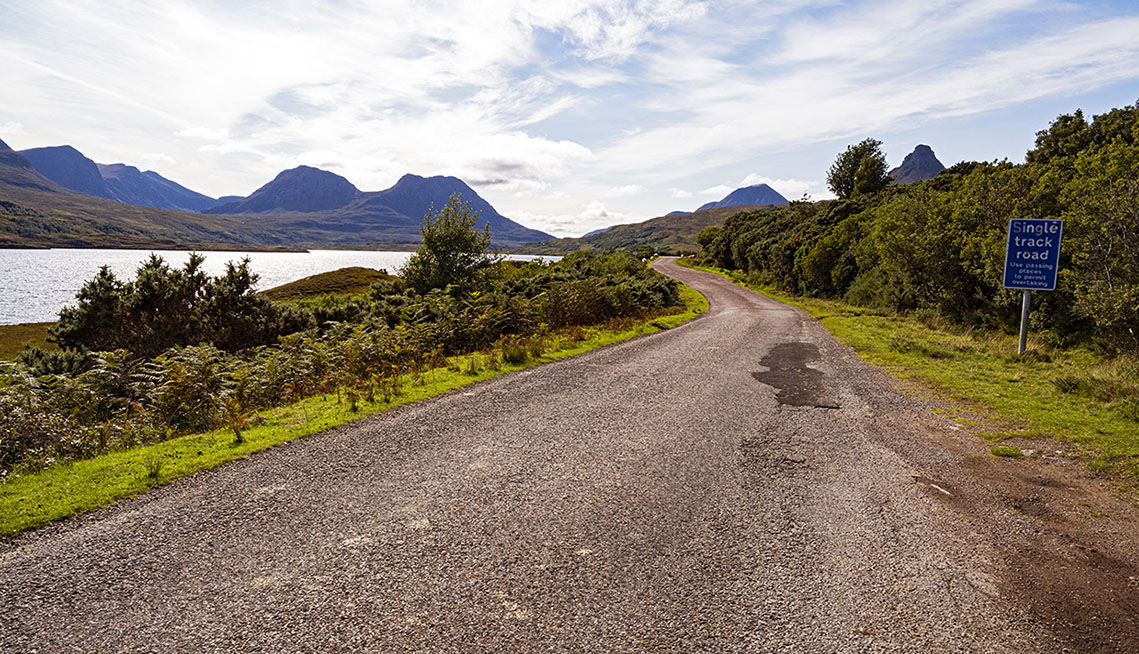
EXPLORE IT TODAY: Self Drive is a fantastic way to see Scotland!
However you will have a bit of a learning curve and want to plan ahead. Interestingly, the best Scottish road trip is usually the one that covers fewer miles. Scotland may look small to an American traveler, but Highland roads are often narrow and winding, and some of your greatest experiences will happen at unexpected stops between major attractions.
Here are our essential tips for driving yourself around Scotland:
-
Rent a reasonably small car
-
Learn how single-track roads and passing places work
-
Allow considerably more time than your GPS suggests
-
Spend two or three nights in important regions rather than changing hotels every evening.
-
Most important: Leave room in your itinerary for discoveries. The ability to turn down a side road to investigate an ancestral village, ruined castle, old churchyard or spectacular view is exactly what makes a self-drive tour worthwhile.
A bit of tough love…
If you are the sort of person who gets travel anxiety, is concerned about hitting beats on a schedule, hates “being late” then self-drive may not be right for you. This is a mode of exploration that requires patience, flexibility and a laid back attitude.
Read more detailed advice HERE.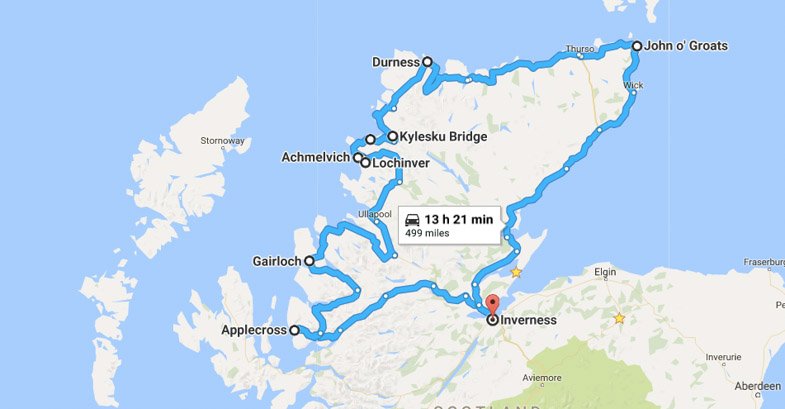
Scotland’s World War History on Display
Scotland played an important strategic role in both the First and Second World Wars. While the conflicts temporarily disrupted Scotland's growing tourism industry, they also created a new source of curiosity for visitors… one that lasts to today.
Transportation networks were redirected toward military needs, fuel was rationed, and many hotels, estates, and public buildings were repurposed for wartime use becoming hospitals, air strips, training barracks, POW camps, etc.
Coastal defenses restricted access to popular island destinations and naturally international travel evaporated. And yet the intrusions of the wars had a positive ripple effect despite the loss of life and economic hardships.
For instance, more people from outside the country saw it for the first time, especially American G.I.’s during WWII. As a result, after the war ended, tourism recovered rapidly. Men who had seen the land while in uniform wanted to explore it in civvies, often bringing along their families.
More tangibly, the war was the direct inspiration for the creation of the Edinburgh International Festival in 1947, which still runs today and brings attendees from across the world (see below).
By the close of the century, the relics of the wars had joined the list of reasons to visit Scotland. Military museums, memorials, airfields, naval bases, and various wartime sites had become destinations for history buffs.
EXPLORE IT TODAY: Orkney - The Islands of War
For wartime history, Orkney is perhaps the outstanding destination, particularly Scapa Flow, which served as a major Royal Navy anchorage during both conflicts. While this is not an easy place to get to, the rewards for going are worth it.
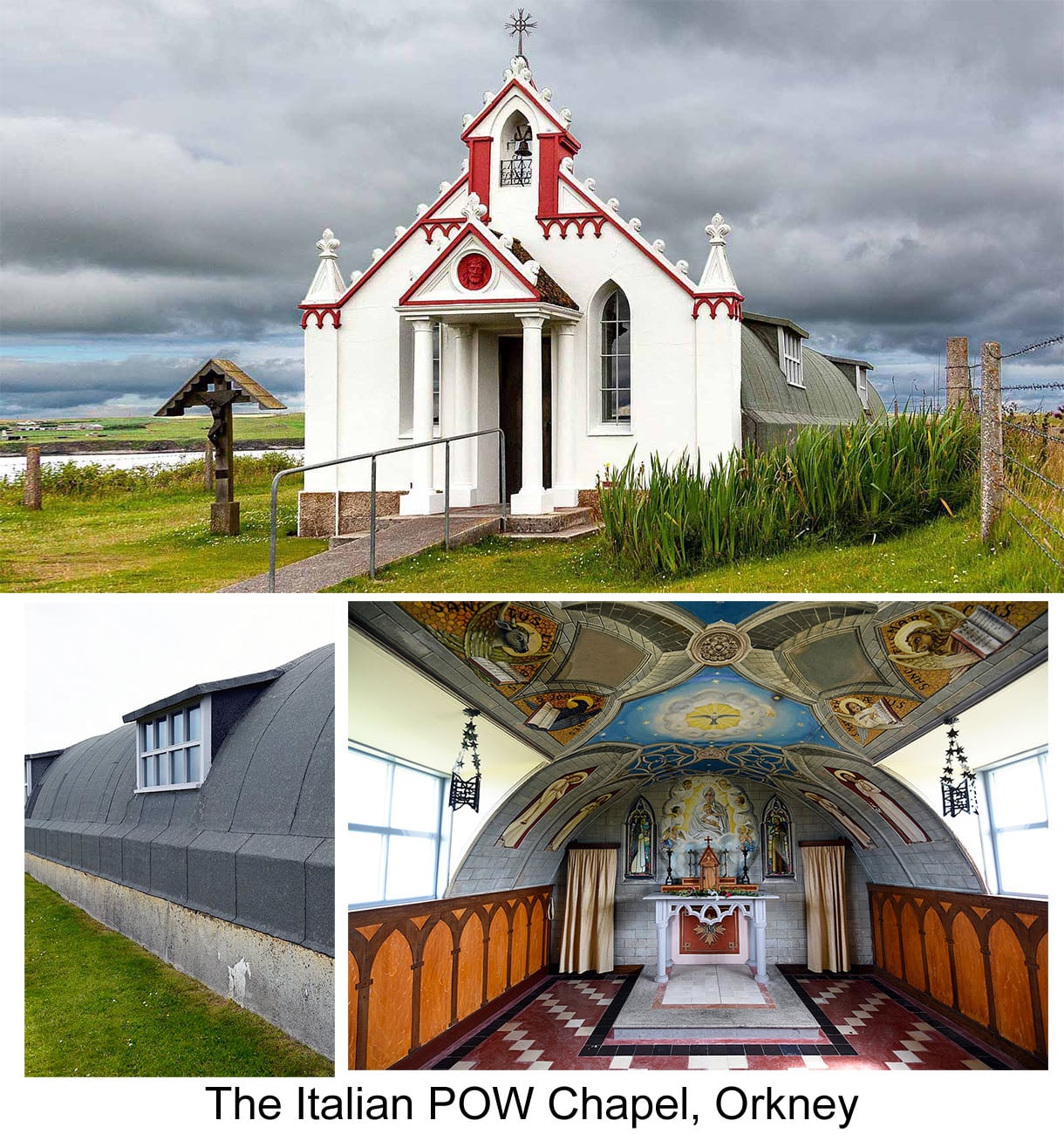
You can explore wartime batteries and defenses, learn about the 1919 scuttling of the German High Seas Fleet, drive across the WWII-era ‘Churchill Barriers’, and visit the remarkable Italian Chapel built by prisoners of war.
If the Orkneys are a bit too far, consider Edinburgh's National War Museum (right inside Edinburgh Castle) for an excellent overview of Scotland's wartime experience. Spean Bridge and Achnacarry preserve connections to the WWII Commandos who trained in the Highlands. Coastal batteries, pillboxes, airfields, naval installations, and memorials scattered throughout the country provide additional opportunities for military-history travelers. (you can even camp inside some of them!)
For a deeper look at Scotland's best WWI and WWII sites, see our complete guide to exploring Scotland's World War history.
Seeing Scotland's Ancient Treasures Up Close
As visitor numbers grew over the past 80 years, so did awareness of the need to protect Scotland's historic landmarks. Throughout the twentieth century, conservation organizations, local authorities, and national agencies invested in preserving castles, abbeys, monuments, and archaeological sites. Many landmarks that might otherwise have crumbled to dust were carefully restored and opened to the public... truly a win-win.
Two organizations led the effort… Historic Scotland and the Royal Commission on the Ancient and Historical Monuments of Scotland (RCAHMS).
In 2015 these were merged into Historic Environment Scotland. Aside from the National Trust for Scotland, HES is the main public body actively caring for, protecting, and promoting Scotland's historic places and buildings.
EXPLORE IT TODAY: Archaeology Tours
Interested in some hardcore, real archaeology? There are several ways to "dig into it." (Sorry. I'll see myself out)
Check out these specialized archaeological and historical trip providers:
- Archaeological Institute of America (AIA) Tours: Offers expert-led itineraries like Hiking Scotland's Orkney & Shetland Islands, featuring expert lectures and visits to prehistoric sites.
- Far Horizons: Features cultural and archaeological journeys spanning from southern castles up to the Neolithic monuments of the Orkney Islands.
- Local Day & Multi-Day Excursions: Platforms like Viator and GetYourGuide list specialized small-group tours departing from Edinburgh, Glasgow, or Inverness to exciting locations.
There are several areas of special focus for archaeological highlights:
- Heart of Neolithic Orkney: A UNESCO World Heritage site featuring the 5,000-year-old prehistoric village of Skara Brae, the Ring of Brodgar, and the chambered cairn of Maeshowe.
- The Scottish Highlands & Borders: Sites such as the Clava Cairns near Inverness, the historic Culloden battlefield, and ancient Roman exploratory footprints in the Scottish Borders.
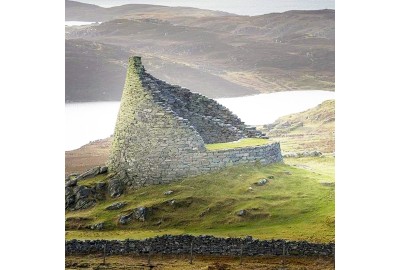
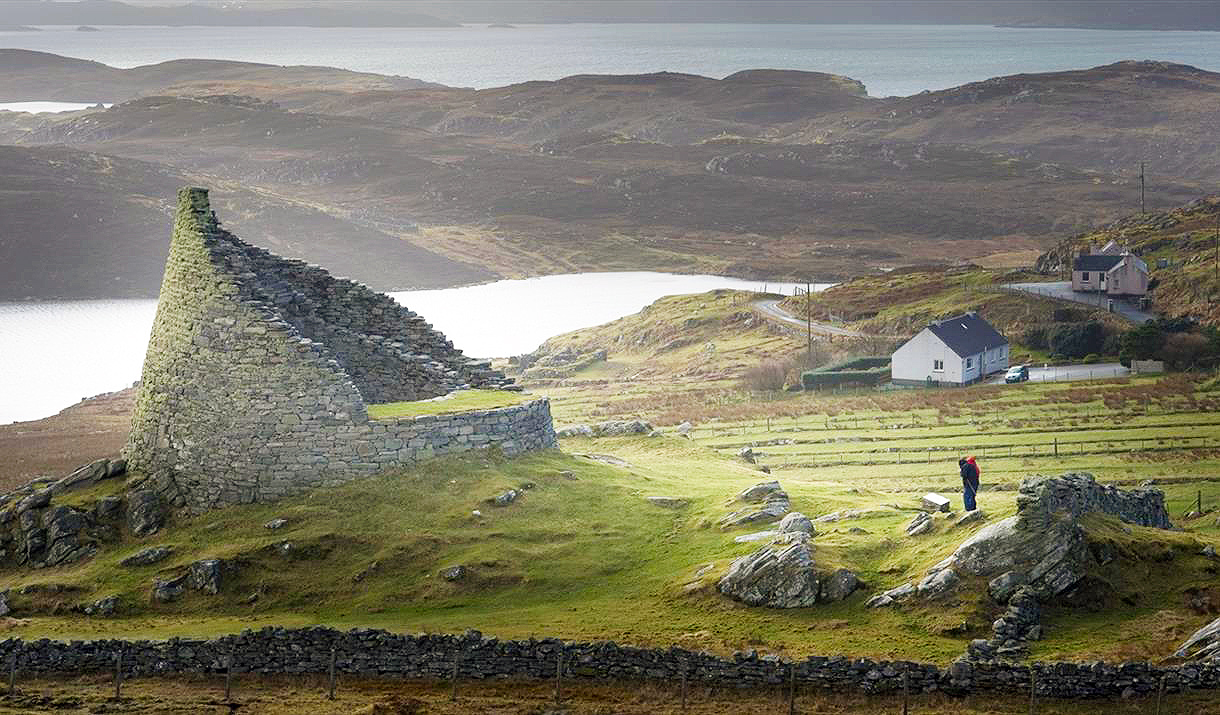
- The Northern Isles (Shetland): Dramatic Iron Age stone towers (brochs) like Mousa Broch and unique Norse-Gael heritage locations.
You can also visit Historic Environment Scotland and Archaeology Scotland for information on their current projects and events.
National Parks, Protected Landscapes and Nature Tourism
In the 20th century, a growing appreciation for conservation led to stronger protection of Scotland's natural environment.
Protected landscapes promoted outdoor recreation while safeguarding fragile ecosystems. Following in the footsteps of the old explorers, visitors enjoyed hiking/Hillwalking, mountain climbing, and wildlife watching. Today you can add canoeing, cycling and nature photography to that list. Witnessing Scotland's remarkable biodiversity is another important draw.
Scotland is especially attractive to hikers because of its generous outdoor access laws. Under the Scottish Outdoor Access Code, you can generally hike and wild camp responsibly on most unenclosed land, provided you follow the Code.
EXPLORE IT TODAY: Hiking and Camping in Scotland's Protected Landscapes
Here are five outstanding places to explore:
1. Loch Lomond & The Trossachs National Park
Easy to reach from Glasgow, Loch Lomond & The Trossachs marks the transition from the Lowlands into the Highlands and offers everything from accessible day hikes to long-distance trekking.
- Hiking: Climb Ben Lomond for sweeping views over the loch, take the shorter route up Conic Hill, or follow the West Highland Way, which passes through the park.
- Camping: Wild camping is possible, but parts of the park are designated Camping Management Zones from March through September. Within these areas, you'll need to use a campsite or obtain a wild camping permit. Check the Loch Lomond & The Trossachs National Park website before your trip.
2. Cairngorms National Park
The UK's largest national park protects a vast landscape of mountains, ancient Caledonian pine forest, lochs, and wildlife.
- Hiking: The Aviemore area provides easy access to trails including Meall a' Bhuachaille and the beautiful An Lochan Uaine, or Green Lochan. More experienced hikers can venture onto the high Cairngorm plateau.
- Camping: The Cairngorms offer tremendous opportunities for responsible wild camping, particularly in remote mountain country. For more comfort, Glenmore Campsite provides facilities beside Loch Morlich.
3. Glen Coe
One of Scotland's most famous Highland landscapes, Glen Coe is surrounded by towering mountains and is largely cared for by the National Trust for Scotland.
- Hiking: The Lost Valley (Coire Gabhail) makes a memorable moderate hike. Experienced mountaineers can attempt the Aonach Eagach ridge or Buachaille Etive Mòr.
- Camping: Wild camping is possible, although areas near the road can become crowded and wet. Hiking farther from the main glen generally provides a better wilderness experience. Campsites such as Red Squirrel are available for travelers who prefer facilities.
4. Trotternish, Isle of Skye
Northern Skye's Trotternish Peninsula was shaped by an enormous ancient landslip, creating some of Scotland's most recognizable scenery.
- Hiking: Walk the spectacular Quiraing or climb to the Old Man of Storr, one of Skye's best-known landmarks.
- Camping: Wild camping can be spectacular, but Skye's exposed terrain and Atlantic weather demand good equipment and careful planning. Organized campsites are also available around communities such as Uig and Portree.
5. Glen Affric National Nature Reserve
Glen Affric combines mountains, lochs, rivers, and some of Scotland's finest surviving native Caledonian pine forest. It is generally quieter and more remote than destinations such as Loch Lomond or Glen Coe.
- Hiking: Explore the Glen Affric trails or tackle part of the 44-mile Affric Kintail Way.
- Camping: Glen Affric is excellent country for experienced backcountry campers seeking solitude. For a remote overnight experience without a tent, Glen Affric Youth Hostel can only be reached on foot or by mountain bike.
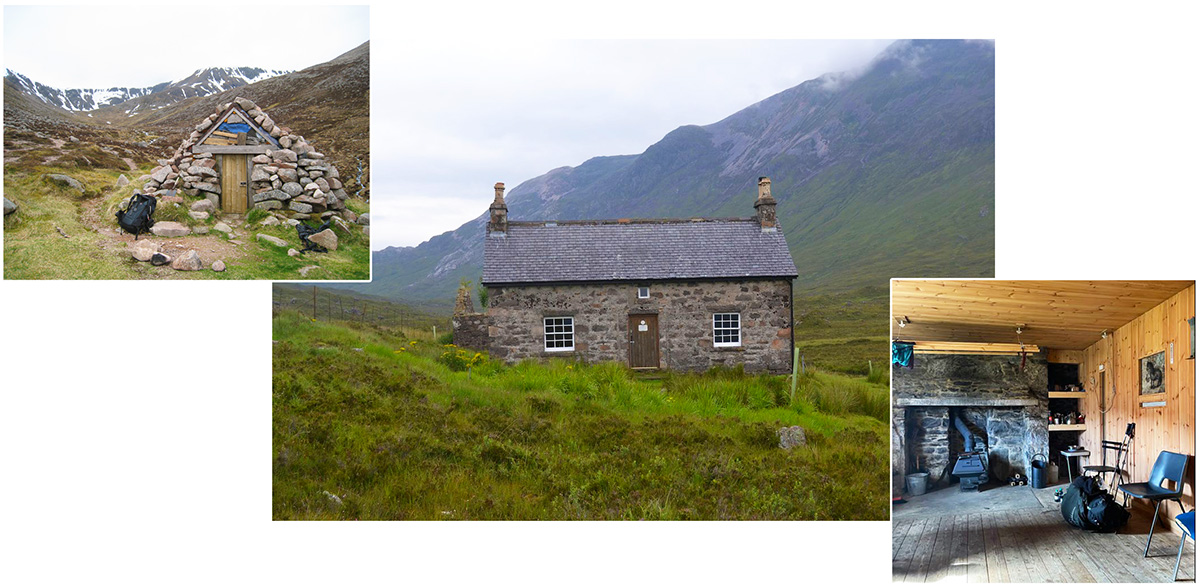
Don't Miss Out on Using a Bothy!
A bothy is a basic shelter built from wood or stone. They dot the landscape in remote open wilderness areas of the Highlands and free for use by hikers, climbers and bicyclists. The first bothies were old, abandoned estate cottages or farm buildings. Some are little more than stone huts. But many are actually very cozy with fireplaces and other amenities (no electricity, tap water or modern toilets though!). Most are cared for by volunteers from the Mountain Bothies Association and can be booked in advance.
A Note About Wild Camping
Scotland's outdoor access rights are unusually generous, but they depend on responsible behavior. Camp in small numbers, stay only briefly, avoid enclosed fields and buildings, take away all waste, and leave no trace of your stay. Always consult the Scottish Outdoor Access Code before heading into the backcountry.
Heritage Centers and Scottish Living History Sites
The twentieth century also saw the invention of something totally new… living history sites.
Scotland offers some of the greatest museums and historic properties in the world. Many are an outgrowth of advanced historical and archaeological research over the past thirty years.
Living history museums and reconstructed villages allow guests to experience traditional farming, weaving, blacksmithing, and domestic life firsthand. To be clear, these are NOT renaissance fairs. They are more akin to historic sites in the USA like the Genesee Country Village & Museum in upstate New York. Many are dedicated to specific ongoing research, not merely putting on demostrations for the public.
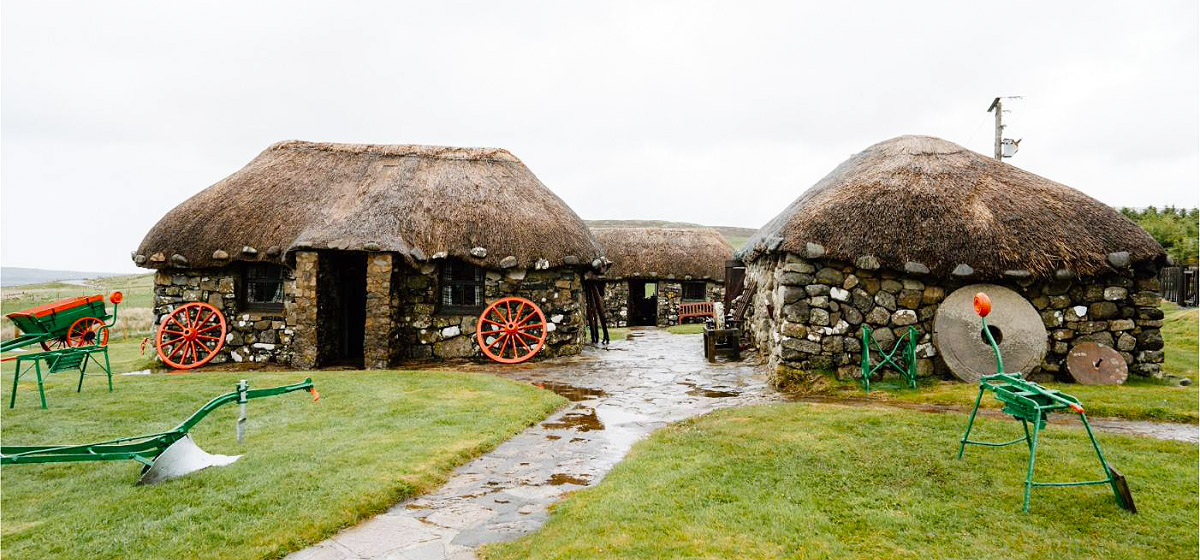
EXPLORE IT TODAY: Immerse Yourself in Scotland's Living History Sites!
There are several excellent living history attractions in Scotland. So rather than point you to a single one, here is a breakdown of what to expect at some of the best:
|
Site |
Main Historic Focus |
Best For |
Time Allotment |
|
Highland Folk Museum |
1700s–1950s Highland Life |
Outlander fans, Jacobite buffs, families |
3–4 hours |
|
Scottish Crannog Centre |
500 BC Iron Age |
Ancient history, craft making |
2 hours |
|
Culross Village |
1600s Merchant Town |
Photographers, walking tours |
2–3 hours |
|
Auchindrain Township |
Pre-Clearance Highland Farming |
Quiet, deep historical authenticity |
1.5–2 hours |
|
New Lanark |
Enlightenment Era Industrial Village |
Architecture, social history |
Half day |
Whisky Tourism … Culture Aged to Perfection
Scotland's whisky-making tradition stretches back centuries. Much of that time, distillers would rather avoid the tax man than invite tourists!
As Scotch whisky gained worldwide recognition, distilleries increasingly welcomed visitors interested in learning about production methods, regional styles, and tasting techniques.
Distillery tours evolved from informal visits into professionally managed experiences.
Today, organized whisky tourism flourishes after decades of steady development. It also supports rural communities where distilling has long been an important local industry.
Different whisky-producing regions …including Speyside, Islay, the Highlands, Campbeltown, and the Lowlands… developed distinct identities that encouraged travelers to explore multiple destinations. This was the beginning of the Whisky Trail.
EXPLORE IT TODAY: Hit the Whisky Trail!
We mentioned THE Whisky Trail. There is actually more than one, seeing as how they are basically recommended driving routes to hit certain distilleries around the country.
A self-drive Scottish whisky tour lets you explore all those scenic Highland roads while also visiting famous distilleries. Most people take 7 to 10 days to do it.
Here is a popular whisky trail itinerary though Speyside and the Highlands:
-
Days 1 - 2 (Edinburgh & Central Highlands): Start in Edinburgh with a visit to the Scotch Whisky Experience on the Royal Mile. Drive north toward Perthshire to tour Dewar’s Aberfeldy Distillery or Edradour.
-
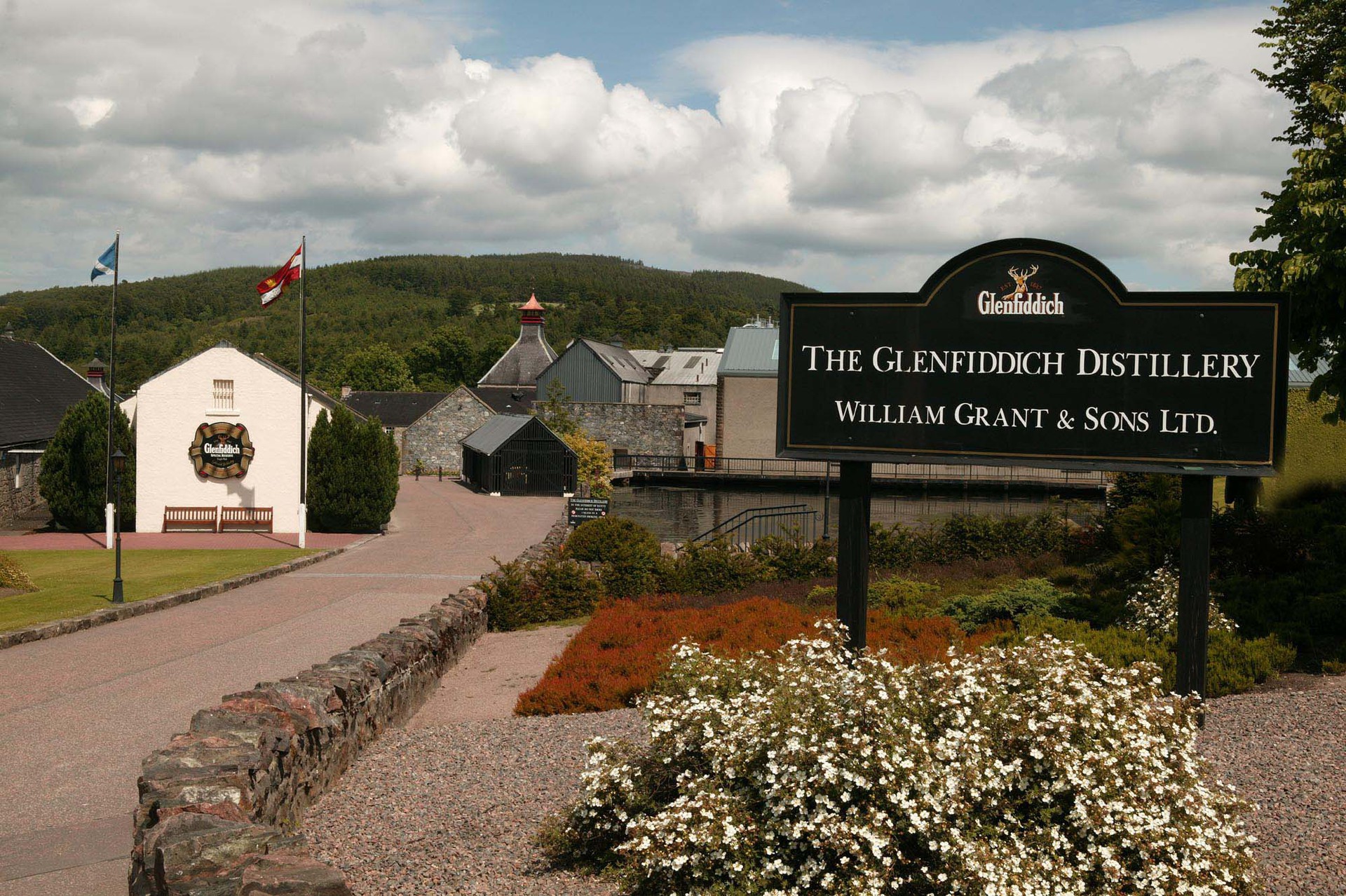
Days 3 - 5 (Speyside - Malt Whisky Country): Head into Speyside, home to over half of Scotland's distilleries. Follow the Malt Whisky Trail with stops at iconic names like Glenfiddich, The Macallan, Strathisla, and Glenlivet.
-
Days 6 - 7 (The West Coast or Return): Drive through the Cairngorms National Park back toward the Lowlands, stopping at Glenturret Distillery (Scotland's oldest working distillery) before returning to Edinburgh.
Critical Driving & Tasting Tips!
-
Strict Alcohol Limits: Scotland has a strict legal driving limit of 0.05% BAC. Redditers over on r/Scotch emphasize that you really should avoid driving with any alcohol in your system.
-
Designated Driver Samples: This is the answer to the above problem. Many distilleries provide "driver's drams"... sealed little bottles of whisky given to you at the end of the tour to enjoy safely back at the hotel.
-
Alternative Transport: If you really want to indulge in a LOT of tasting in a single day, consider booking a local taxi or hopping on a short local day-tour. Of course you can always base yourself in a central village pub too.
But wait! There are also whisky bus tours! Popular Bus and Mini-Coach Tour Options:
-
From Inverness: Take the dedicated Highland and Speyside Whisky Bus Tour via Viator to visit legendary stops like Tomatin, Glenfarclas, and the Speyside Cooperage.
-
From Edinburgh / Glasgow: Join multi-day immersions like the 4-Day Islay Whisky Tour via Scottish Routes for ferry transfers and exclusive warehouse tastings at iconic coastal distilleries.
-
A Public Bus Option: Catch the local Stagecoach route 36 "Whisky Trail" public bus service between Elgin and Dufftown to hop between Speyside distilleries independently.
Edinburgh International & Fringe: Bold Cultural Festivals
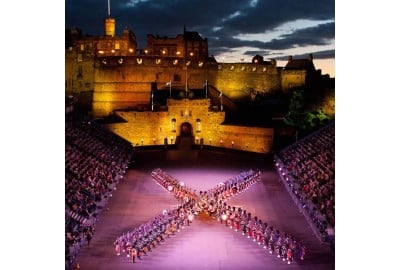
One of the most influential developments in modern Scottish culture (and tourism) occurred in 1947 with the creation of the Edinburgh International Festival (EIF).
A curated, elite celebration of classical music, theater, opera, and dance, the event was founded to promote cultural renewal after the ravages of the Second World War. It’s still going strong with a constellation of performers, musicians, actors, and audiences from around the world.
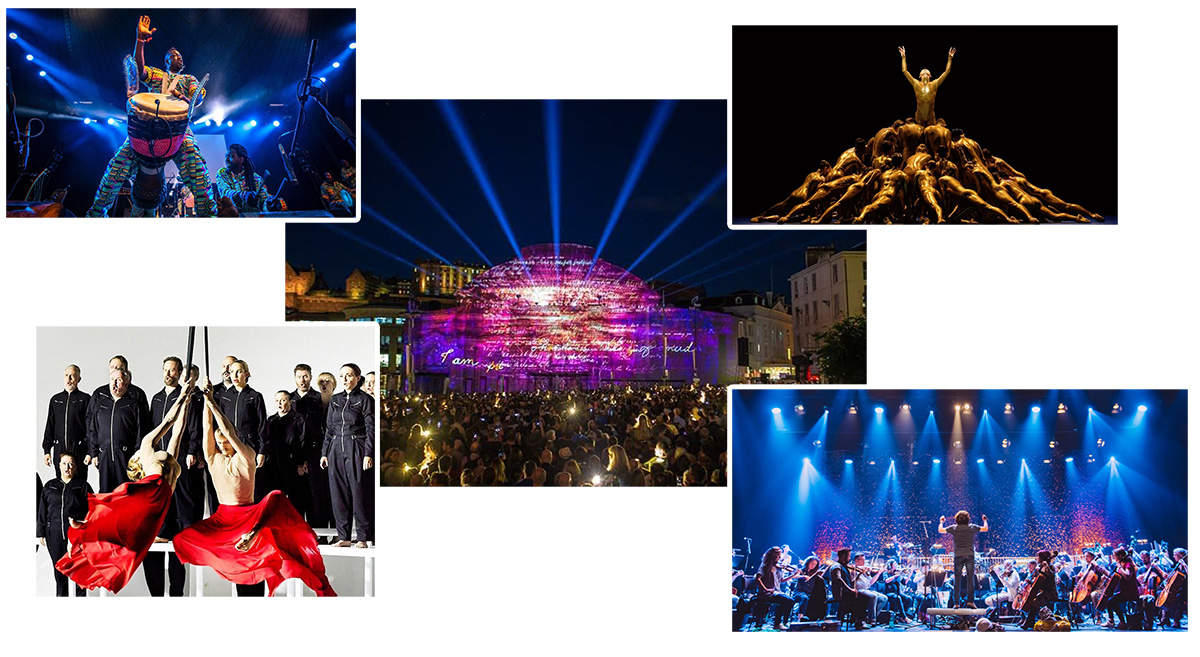
Just as dynamic (and potentially more fun) is the event that sprang up as a protest against the EIF's curation system… the Edinburgh Festival Fringe or “The Fringe.”
The Fringe is the world’s largest open-access arts festival hosting literally thousands of diverse, un-juried performances. Anyone can stage a show! If EIF is a constellation, then Fringe is a kaleidoscope. There’s comedy, street acts, music, cabaret, circus, and modern theater performances. Fringe has been described as edgy, bizarre, avant-garde, whimsical, soulful… and many would say not to be missed.
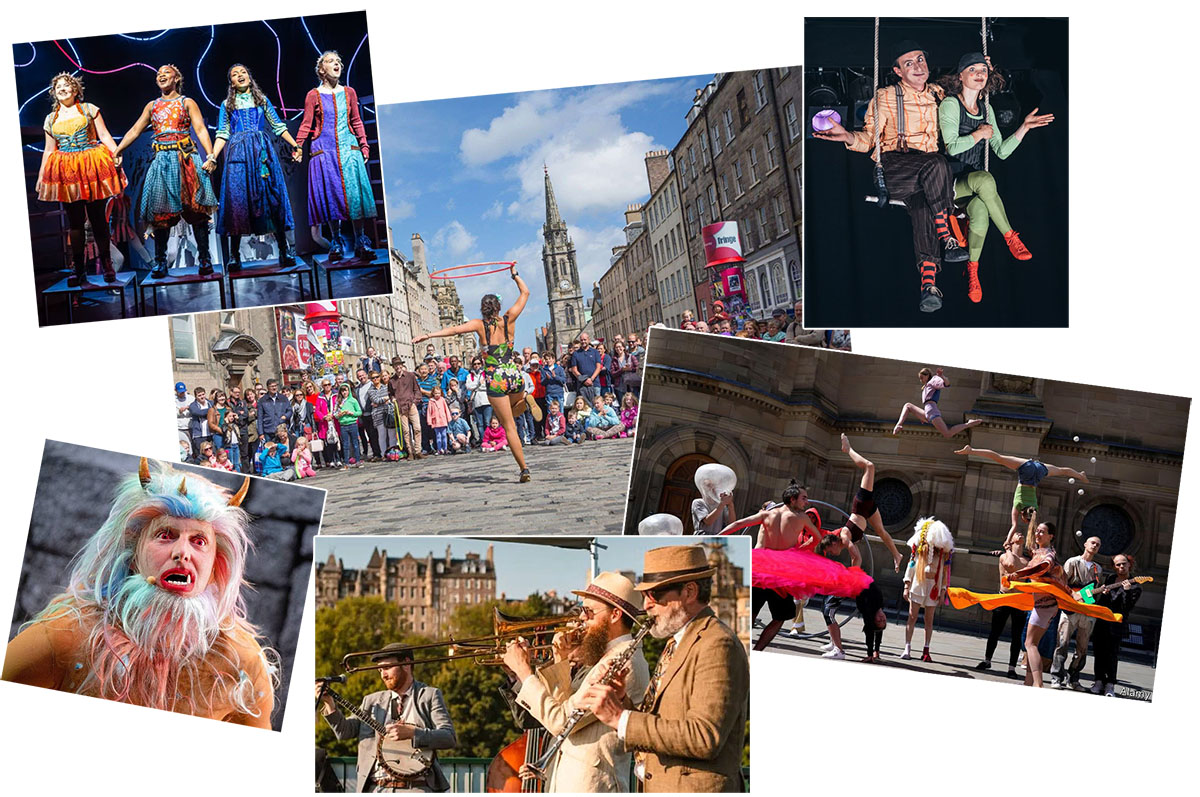
EXPLORE IT TODAY: Plan Your trip Around Edinburgh's World-class Cultural Events!
Both of these amazing events take place annually in August in Edinburgh. They tend to be less of a draw for Americans, but we feel they are well worth your consideration. Perhaps enjoying a day at one as part of a larger trip. That said, there are some things you should know…
Tips for American Visitors to The Fringe:
-
Book lodging very early: Hotel rooms in Edinburgh book out months in advance (often by the prior winter) and prices skyrocket. Consider staying in nearby Glasgow. It's an easy one-hour train ride away and offers its own charms (including savings).
-
Pace your schedule: Everything will tempt you. Resist and don't overbook shows. Leave some open time slots to relax and just people watch, stumble into street performers on the Royal Mile or even catch a smaller hidden gem of a stage show.
-
Pack layers and rain gear: No surprise here if you've been to Scotland before. The weather in August is notoriously unpredictable. As they say, "expect four seasons in one day." Even more important... bring comfortable walking shoes for the steep, cobblestone streets. Standard advice for any trip really.
-
Understand tipping etiquette: Tipping in the UK is much more modest than in the US. You don't need to tip 20% at restaurants (and check if a service charge is already added). That said, tossing a few pounds to street performers is both customary and the right thing to do. Avoid being an "ugly American" by showing your respect and sincere appreciation.
-
Utilize digital tools: Download the official festival apps and bring a portable phone charger so you can easily pull up e-tickets and browse last-minute availability on the go!
Final Thoughts: How to Be a Good Guest in Scotland
With any luck we have whetted your appetite with this series. There is far more to Scotland than we have touched on of course.
No matter what you decide to do with your time in the country, there are certain things to always keep in mind. You're smart and we know you got this, but a refresher is never a bad thing so...
Our Best Advice for Americans Visiting Scotland:
- Remember Scotland is not a theme park. It’s somebody’s home... an active, living, breathing culture. Some patterns and amenities we are used to here in the Sates will be different. Keep that in the back of your head to avoid culture shock. be open and patient.
- Be curious. Ask questions. Learn how to pronounce the place names.
- Respect historic sites, local customs, private property, wildlife, and the landscape. If you’re hiking or wild camping, know the Scottish Outdoor Access Code and leave the place exactly as you found it.
- Don’t worry about proving how Scottish you are. Your ancestry can absolutely be meaningful to you, but go to Scotland ready to listen and learn, not tell Scots about Scotland.
- Wear your kilt!
- Plan your trip well in advance but be flexible! Get off the tourist trail when you can, and talk to people.
- Be enthusiastic. Be humble. Be a good listener.
We promise that following these tips will make for a far better trip. And as a bonus you’ll represent American Celtic enthusiasts well while you’re there. Oh! And please send us your favorite snapshots!