
The 19th century was a time of rapid and unparalleled change all around the world. The industrial revolution changed work, politics, art, education, philosophy... everything.
And AScotland was far from immune. In some cases the age brought real tragedy (see our piece on the Highland Clearances). In other cases, it brought a better way of life, a greater sense of identity and the creativity to keep Scottish culture on the rise.
We usually equate the 19th century with the Victorian age. However before ol' Queen Vic ascended the throne in 1837 at the tender age of 18, other crucial events were already shaping Scotland's destiny...
And tourism that supports her economy to this day.....
Sir Walter Scott and Scotland's “New” Romantic Image
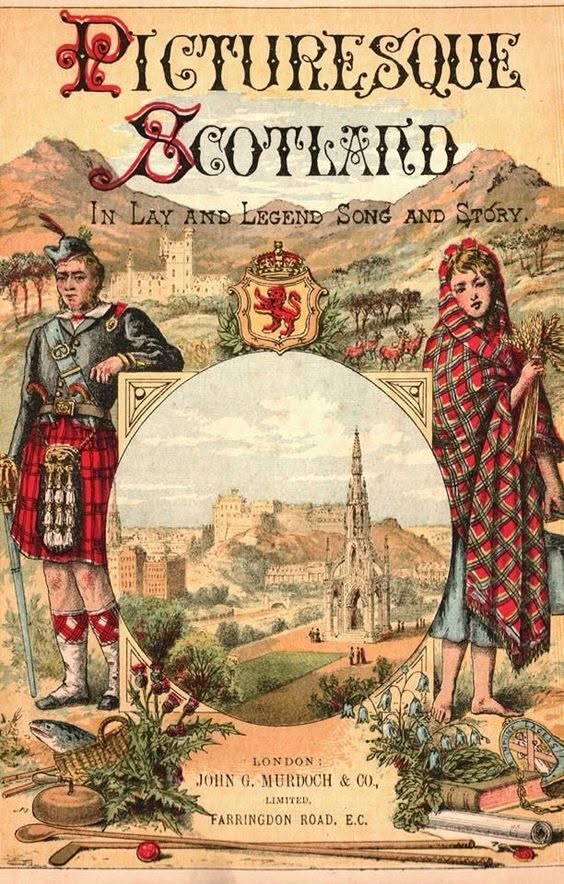
No single individual shaped Scotland's identity (and without realizing it, her tourism industry) more profoundly than Sir Walter Scott.This was the man who, it feels, almost single-handedly took the trickle of interest in Scotland and channeled it into a torrent of passion for both native Scots and foreigners.
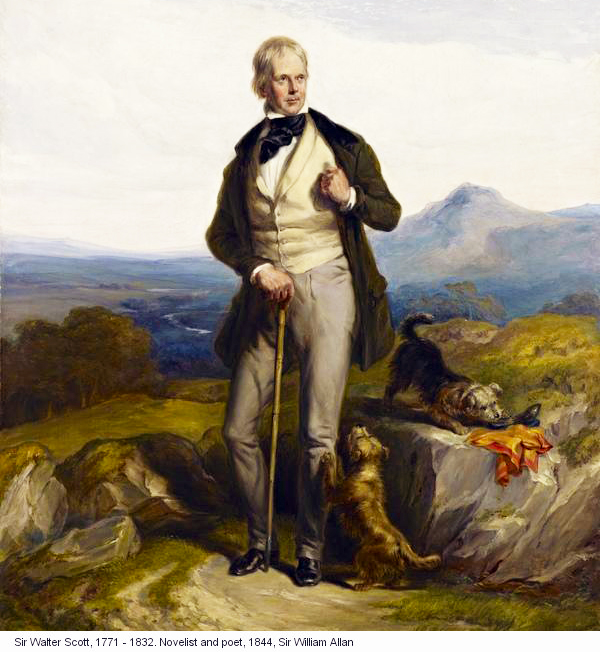
Born in Edinburgh in 1771, Scott became one of the most widely read authors of the early nineteenth century. His novels and poems reached audiences across Europe and North America.
Scott was a member of the The Highland Society of London. Founded in 1778, the Society was mostly made up of Scottish nobles and gentlemen dedicated to preserving the culture and improving the economy of the Highlands. In fact it was the lobbying efforts of the Highland Society that resulted in the repeal of the Highland Dress Proscriptions in 1782.
Through its support of Gaelic traditions, Highland dress, bagpipe music, etc. the society helped shape the romantic image of Scotland.
Sharing this patriotic zeal, Scott did what other members could not… he crystalized the vision of the Society in prose and poetry that fired the imagination.
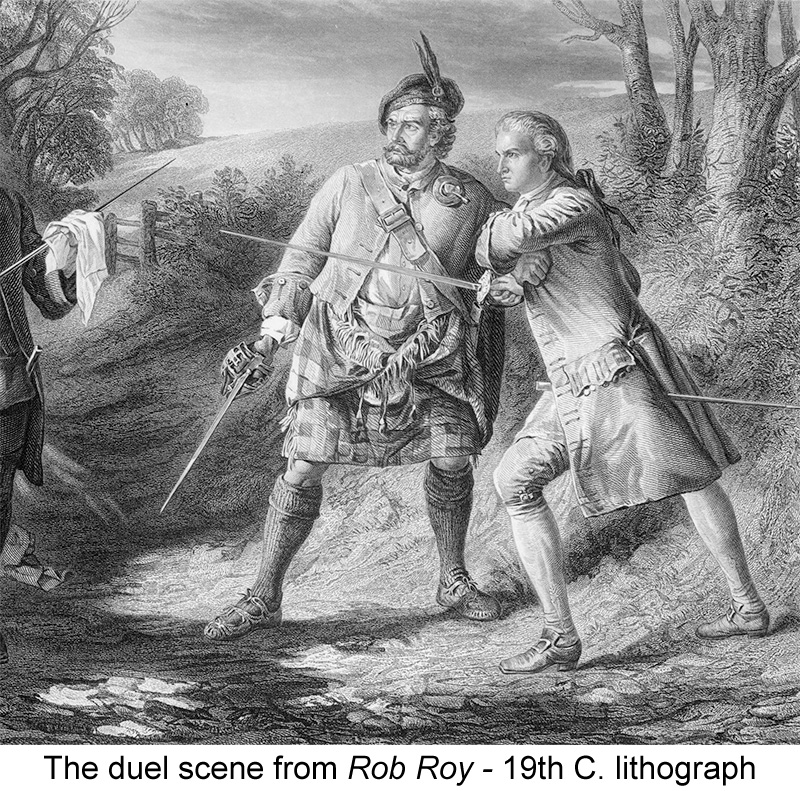
Works such as Waverley, and Rob Roy blended historical events and colorful settings with memorable characters. Indeed, his many stories were romanticized visions not strictly historical by any means. Yet they sparked widespread sincere fascination with the Highlands, clan culture, and Scotland's past from the middle ages through the age of the Uprisings. A few Englishmen even felt guilt for how the Highlanders had been treated, if you can believe that.
In Scott's writing we find a synthesis of many factors that draw people to explore Scotland today…
-
Ancient history with an epic tone
-
Grand untamed landscapes where only the strong survive
-
Larger-than-life Romantic characters who fight for honor and love
-
Timeless, natural lifeways with simple rustic comforts
Readers who had never set foot in Scotland suddenly wanted to experience firsthand places like Loch Katrine, the Trossachs, and Stirling Castle.
Scott became the de facto ambassador of Scottish and Highland culture (ironic since he himself was a lowlander). He encouraged Scots to celebrate their history and traditions and reclaim a sense of cultural pride and nationhood. The effect ripples across history. The only element Scott did not seem to capture was a given person's desire for a personal heritage connection. But this would come in time as those living in the diaspora raised families.
King George IV's Visit and the Tartan Revival
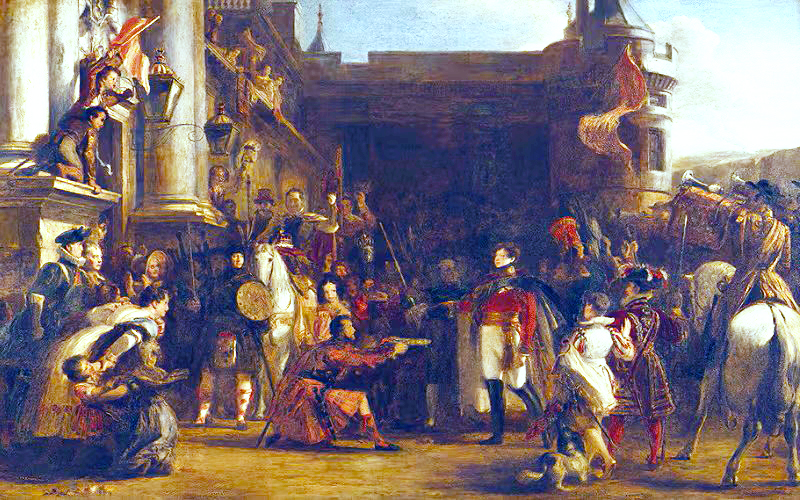
One of Scott's greatest achievements came in 1822 when he organized the visit of King George IV to Edinburgh… the first visit by a reigning British monarch to Scotland in nearly two centuries.
The event was carefully choreographed to celebrate Scottish history and native culture (and loyalty to the Crown, naturally). Scott encouraged Highland dress, clan pageantry, and displays of tartan, creating a spectacle that attracted enormous public attention.
Although tartan had existed for centuries, its association with individual clans had never really been “a thing.”
Initially a few lairds had selected tartans for their household staff to wear (livery). However, when Scott organized a grand ball and various receptions for the King, his main stipulation was that all nobles and clan representatives _must_ attend in full Highland regalia. The race was on. Anybody who was anybody needed tartan and they did not want to wear the same thing as the laird next door!
Mills such as the famous Wilsons of Bannockburn were flooded with orders. And many designs went from humble, numbered swatches to being official clan tartans. The process was little more than someone entering the shop, looking at swatches, and saying “I like that blue one.” Not romantic, but true.
Tailors were also busy. The traditional dress of the Highlanders was reproduced, but brought up to current day fashion standards, often borrowing elements from military dress since so many of the gentry and nobility were also officers. The result was the creation of the ‘Highland Revival Suit’ whose influence on kilt fashion we still see today.
The king’s visit was a smashing success. From here on, Scottish pride and identity would soar. And as archaeologist and author Neil Oliver has said, “we were all Highlanders now.”
Tartan became wildly fashionable outside of Scotland too. And the new British love affair with Scottishness would find its most powerful advocate of all … Queen Victoria. 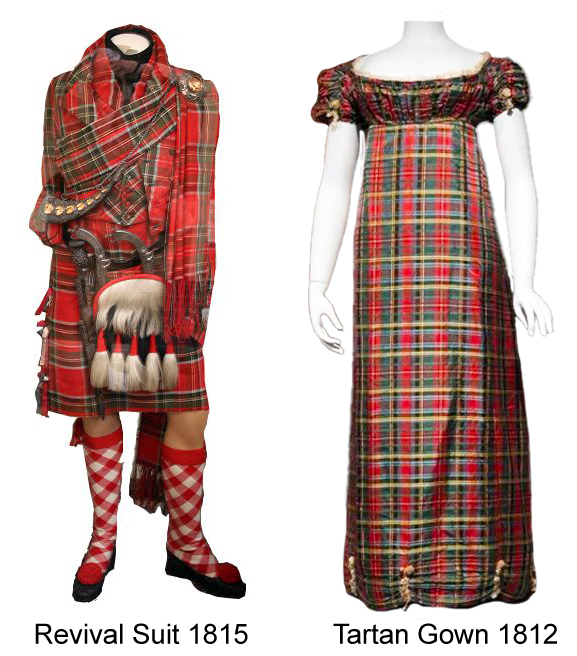
EXPLORE IT TODAY:
The best place to get a sense of the pageantry and blazing color of the 1822 visit by Geore IV is the National Museum of Scotland. Here you can find paintings created by eye witnesses and glorious examples of some of the early Highland revival Suits as well as other priceless artifacts.
Queen Victoria Adopts Scotland
Scottish zeal rose steadily after 1822. And one Alexandrina Victoria, born on May 24, 1819, at Kensington Palace, grew up with it. She devoured all of Walter Scott’s works.
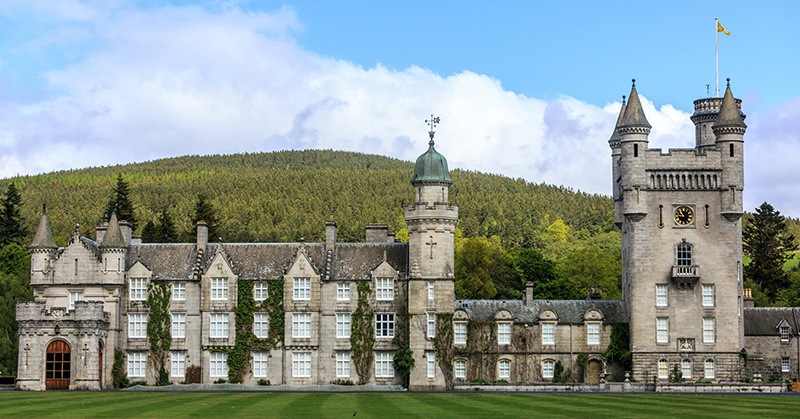
As queen, Victoria first visited Scotland in 1842 and quickly developed an authentic affection for the country's landscapes and atmosphere. She and Prince Albert returned frequently, eventually purchasing Balmoral Castle in Aberdeenshire in 1852. Here, she would be awoken each day by the music of her own personal bagpiper.
Balmoral was, and remains to this day, a private Highland retreat and summer home for the royal family (the official royal residence is Holyroodhouse).
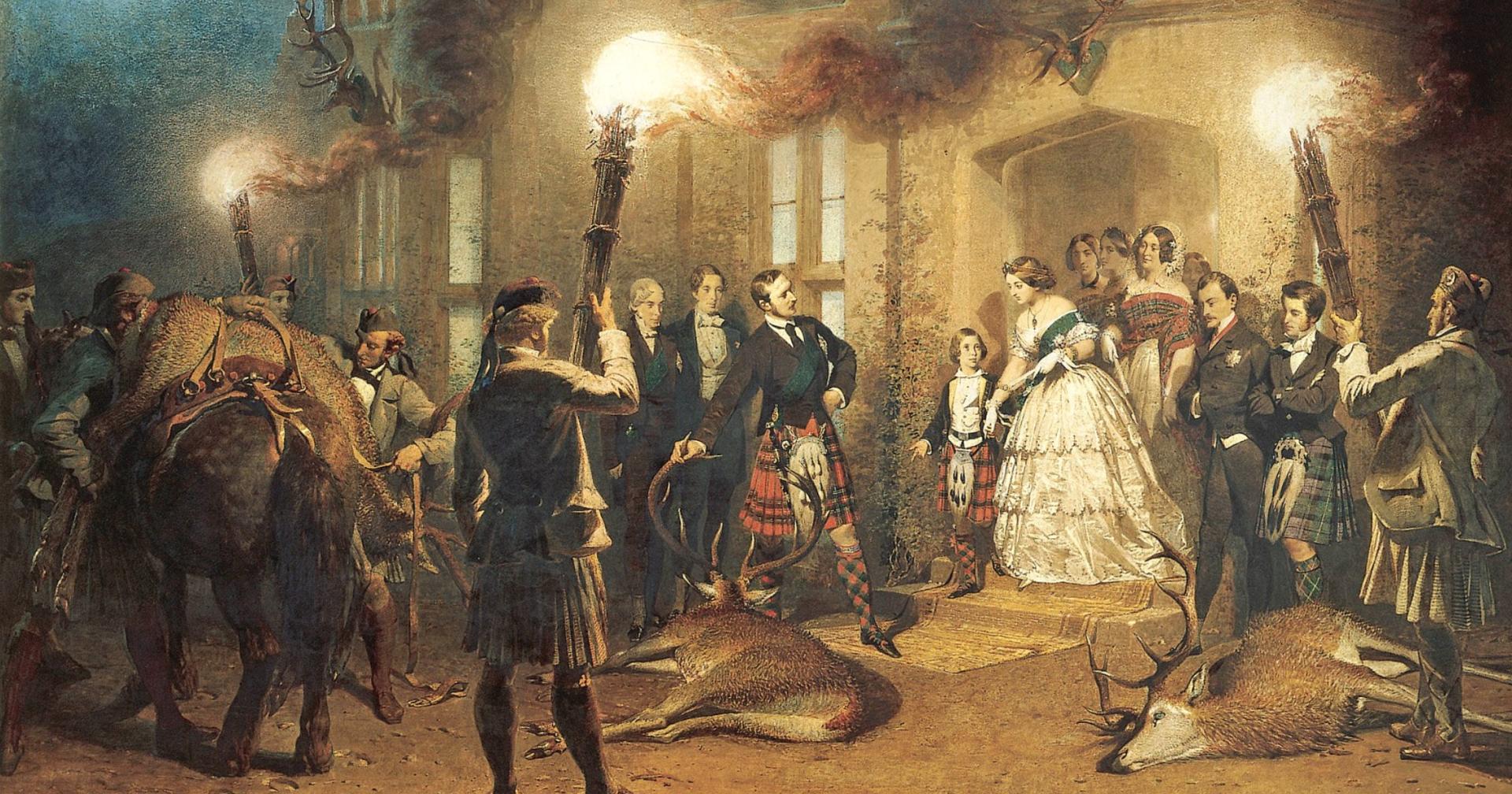
The queen took an interest in Scottish history too.
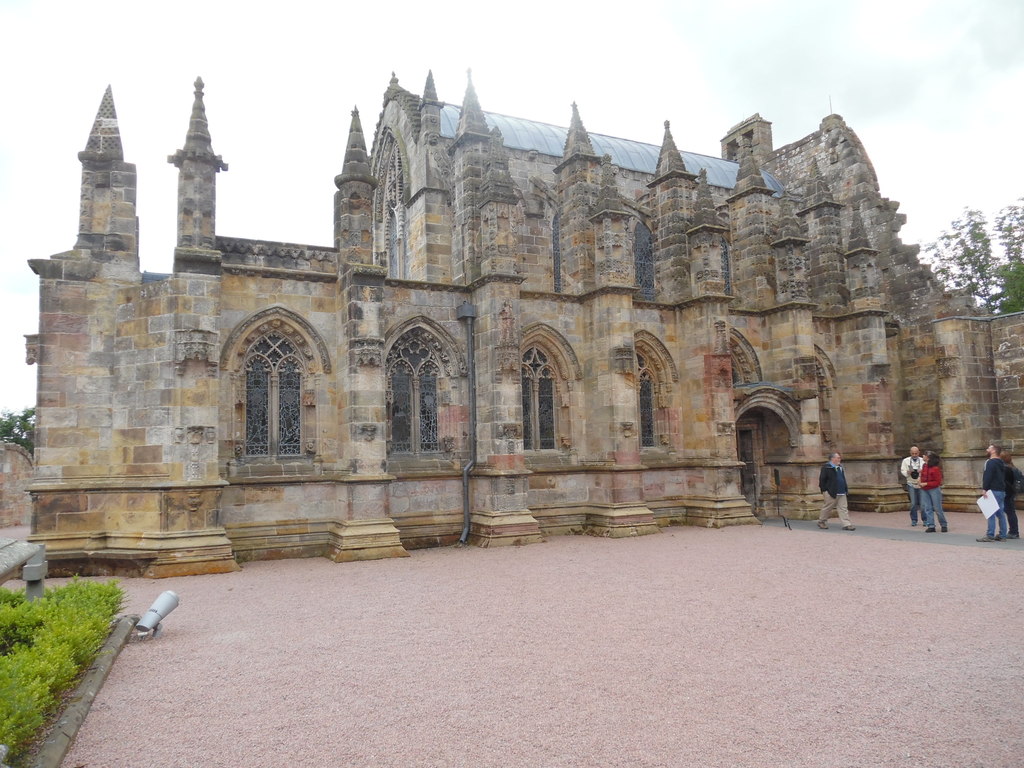
The most potent example may be Rosslyn Chapel. In 1842 Victoria visited and noted the beauty of the 15th-century architecture. This royal interest spurred a major cleanup and repair effort. Workers cleaned and repaired the stone structure, roofs, and interior carvings that had fallen into deep neglect after the Reformation. In 1862, chapel was rededicated as an Episcopal place of worship. Today, Rosslyn is considered one of the finest examples of medieval stonemasonry surviving.
Naturally, Victoria’s interest in Highland dress also encouraged the further expansion and refinement of kilted menswear. Though the final forms we consider bluffo tradtional would not be crystalized until the Edwardian period, they were developed during her reign.
EXPLORE IT TODAY:
Balmoral stands proud as one of Scotland's best-known royal landmarks and is a delight to tour. However, note that the grounds, gardens, and exhibitions are closed during August and September while the Royal Family is in residence.
Rosslyn Chapel is a must-see for those who love medieval architecture. Its long (somewhat mysterious) history and breathtaking beauty guarantee inspiration.
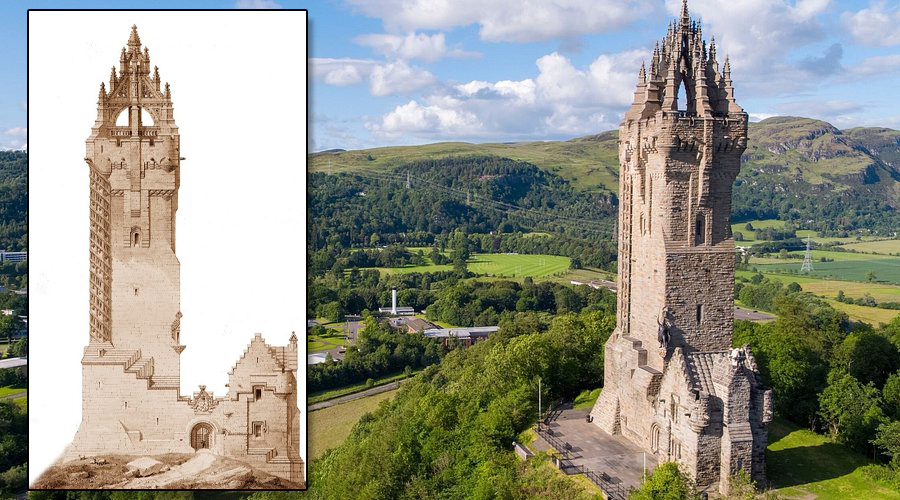
Royal attention was a spur to other Scottish Victorian projects, too. Perhaps the pinnacle of these (in more ways than one) is the great National Wallace Monument at Stirling.
The convoluted story of how it was built and its confident gothic revival architecture make it a worthy place to see, even not counting the historical content inside! The view is incredible, if you have the stamina for the climb.
Steam Power Makes The Highlands a Holiday Destination
The Industrial Revolution transformed transportation, and lives, throughout Britain. Broad social changes, including improved transport, rising incomes, and the introduction of paid holidays, made leisure travel accessible to an expanding middle class.
Up north steam-powered ships dramatically reduced travel times along Scotland's coasts and islands, while expanding railway networks connected cities, towns, and rural communities like never before.
Beginning in the 1830s and expanding rapidly over the following decades, railway companies transformed all aspects of life, including tourism.
Major routes connected:
-
Edinburgh and Glasgow
-
Perth and Inverness
-
Aberdeen and Dundee
-
The Highlands and Lowlands
-
Coastal resorts and inland cities
In fact, this is really when tourism becomes an actual industry. 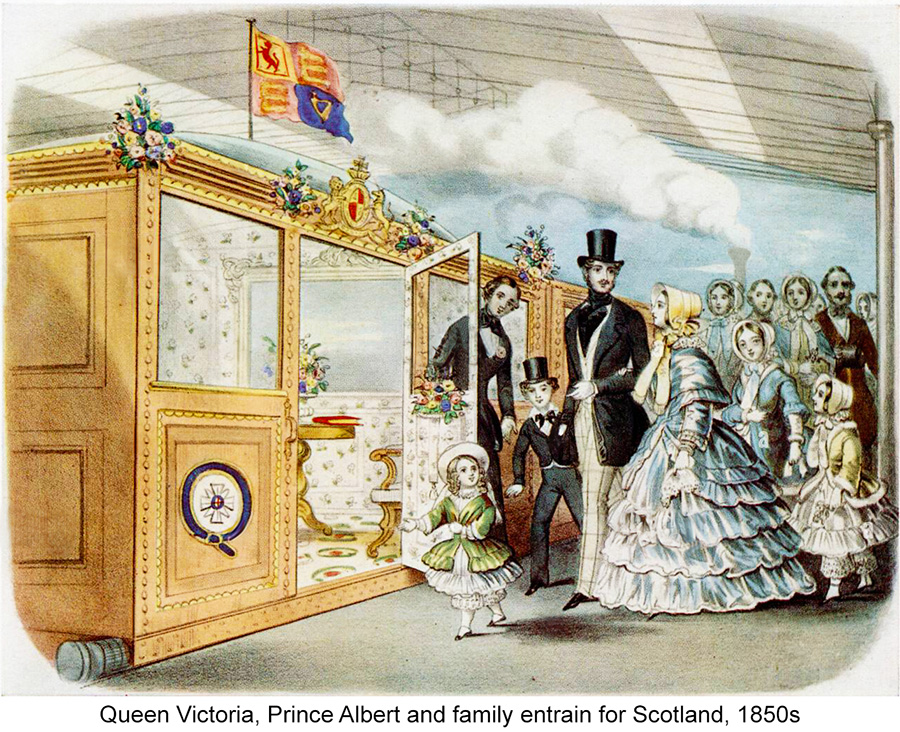
Journeys that once required days on rough roads could be completed in hours. The trains offered comfort and (eventually) reliable schedules making travel easier to plan and more economical.
Londoners reached Edinburgh in a matter of hours. The mysterious Highlands were now open to exploration. Steamships linked Glasgow with the western Highlands and islands.
Recreational travel was no longer limited to the wealthy. Now, middle-class families, professionals, scholars and skilled workers increasingly had both the means and the desire to travel during annual holidays.
And this resulted in the rise of another sort of individual… the entrepreneur.
Those with means had been buying up land in the north for some time now creating hunting estates. Sometimes these were established at historic properties which were updated. Other estates were built from scratch. Land was cheap and potentially also profitable. (see our article and video on the Highland Clearances)
These estates needed staff, and this was a boost to the local industry of guides (ghillies) and estate managers.
In time, tourists of the lower classes also began flocking to the Highlands via the railroad. Clubs were established… sort of hunting estates for hire, you might call them. The Trossachs, Glencoe, Ben Nevis, Loch Lomond, and the Cairngorms each emerged as favorite destinations.
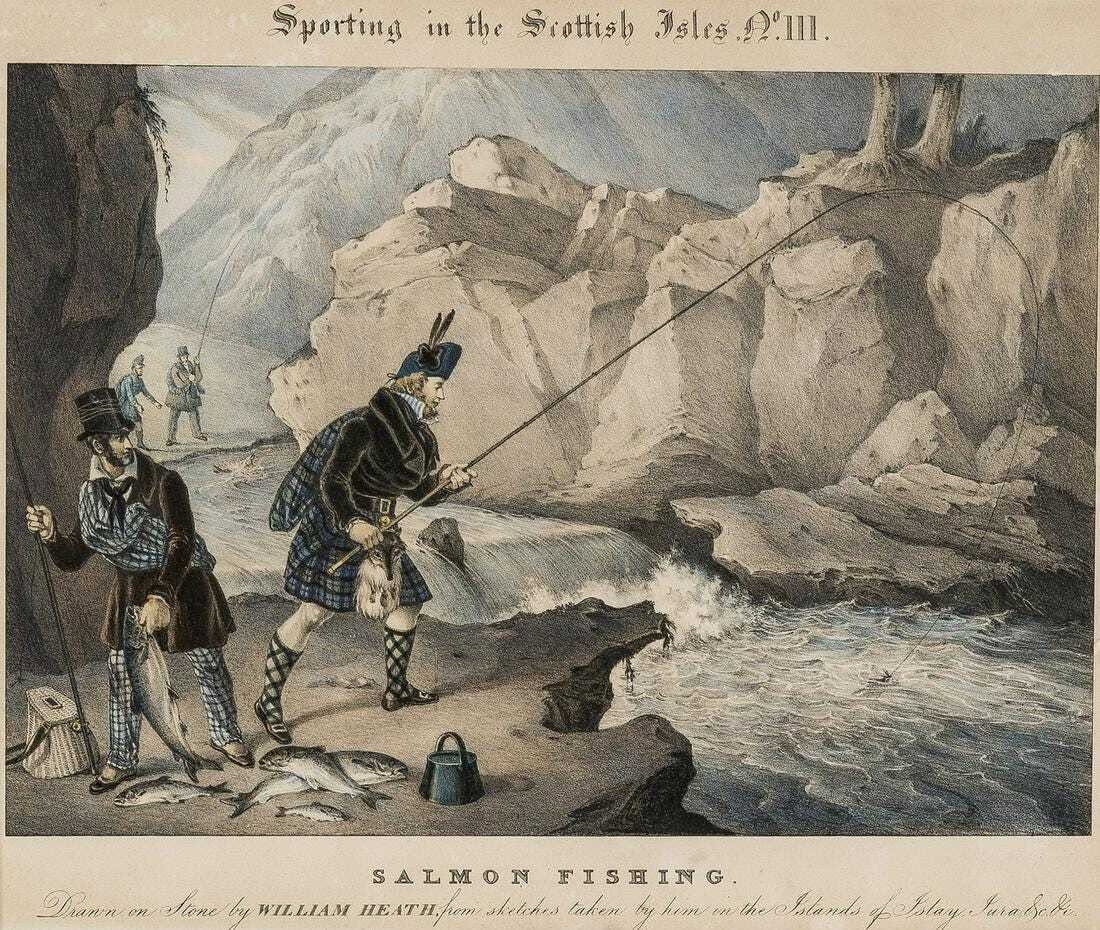
Visitors traveled north to experience landscapes that writers and artists had praised for ages. Mountain climbing, fishing, hunting, boating, and simple sightseeing became fashionable pursuits. Artists painted sweeping Highland panoramas, while photographers captured dramatic scenery that appeared in books and travel publications throughout Europe, adding fuel to the fire.
Large hotels appeared in Edinburgh, Glasgow, Inverness, and popular Highland destinations, while smaller guest houses offered comfortable lodging for families and independent travelers.
Throughout Scotland, tourism gradually became an important alternative to traditional industries such as agriculture and fishing. Regular people could engage native guides and experts in local history. All manner of hospitality workers got busy as local communities expanded inns, constructed guest houses, hired guides, and offered pony treks, boat excursions, and sporting holidays.
Really, you didn’t even have to get off the train. The Victorians were the first to invent scenic routes, both by rail and water. Stations became gateways to popular destinations, while hotels were built nearby to accommodate visitors. You could steam along by day taking in the vistas, and rest at night in a cozy inn. Sounds quite blissful to me.
EXPLORE IT TODAY:
Steamships meanwhile carried passengers to resorts such as Millport and Dunoon. But Scotland's most fashionable seaside destination by far was Rothesay on the Isle of Bute.
Rothesay: Scotland's Premier Victorian Seaside Resort
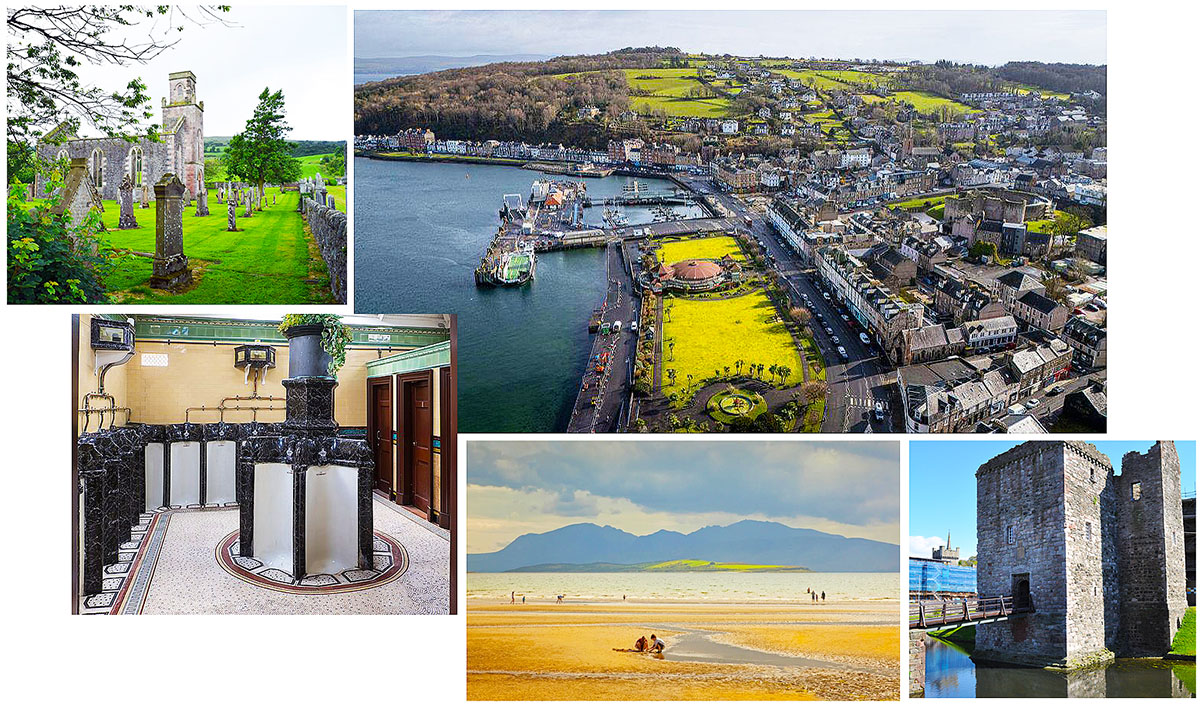
Rothesay’s rise was driven by the advent of the Clyde steamers, which carried thousands of day-trippers and holidaymakers from Glasgow and other industrial towns across the Firth of Clyde. What had once been a small royal burgh evolved into a bustling resort with elegant hotels, guesthouses, promenades, pleasure gardens, bathing facilities, and entertainment venues.
Victorian visitors came to enjoy the fresh sea air (then believed to have significant health benefits) as well as boating, fishing, concerts, and leisurely walks along the waterfront.
Attractions such as Rothesay Castle, nearby Mount Stuart House, and scenic coastal excursions added historical and cultural appeal to the traditional seaside holiday.
By the late nineteenth century, Rothesay welcomed hundreds of thousands of visitors each summer, earning a reputation as the "Queen of the Clyde Resorts."
EXPLORE IT TODAY:
Rothesay offers a wide variety of attractions... from the Victorian buildings to far more ancient features like Rothesay castle and the ruins of St Blane's chapel. This remains a great spot to relax during your holiday. The Guardian once called it "a microcosm of the best of the west coast of Scotland."
Packaging Highland Culture: Highland Games & Living Tradition
This may be the touchiest aspect of what we are discussing. That is, romanticism, tourism and what has been termed “the invention of tradition.”
The nineteenth century witnessed rabid interest in traditional Scottish customs. And where the customs were ill-defined due to a lack of written records some creativity was applied.
Despite arguments that “Balmoralism” was a result of outside interference and cynical exploitation (often based on cliches and caricatures), the fact is that native Scots fostered a good deal of socalled “invented tradition” themselves.
And that is in itself a loaded term. Every tradition in the world was invented at some point. Age is not the only factor by which cultural value can be measured. See our essay on Irish kilt tradition for more thoughts on this.
What really happened was more of an amplification of existing themes, let’s say. The very best example is of course the Highland Games. |
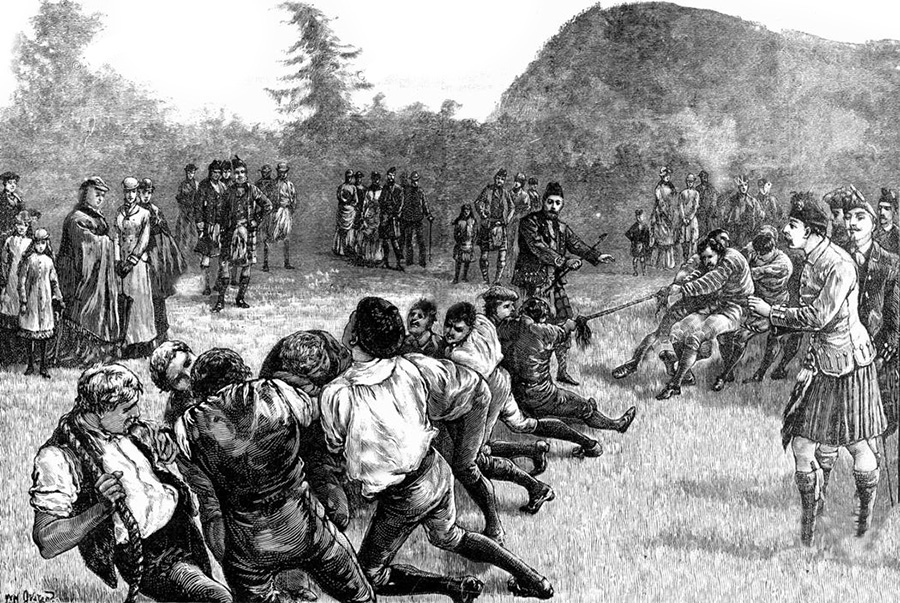
The Highland Games are often said to date back to King Malcolm III in the eleventh century. However the earliest reliable evidence we have comes from the sixteenth century, when records describe athletic competitions held for King James V and other Highland gatherings. Originally, these gatherings allowed clan chiefs to test the strength, speed, and martial skills of their followers through contests such as running, wrestling, and stone throwing. Theoretically, winners would gain prestige and preferred posts.
During the Victorian era, the games were revived and recast as public celebrations of Highland culture with piping and dance competitions added, along with a massive dose of ceremonial pageantry.
Many games welcomed both competitors and spectators from abroad, helping garner international appreciation. Today the Games, as well as events like the Military Tattoo at Edinburgh castle, remain among Scotland's most recognizable cultural attractions. And naturally we have lots of Highland Games events in the Scottish diaspora as well, proving it is not just a show for tourists.
EXPLORE IT TODAY:
So if you attend the Games or the Military Tattoo in Scotland, are you experiencing authentic Scottish culture? Yes. Two hundred years is plenty of time for anything to become a legitimate aspect of a culture if the people of said culture say so.
That said, we do recommend avoiding more crass attractions created just for tourists. Usually it is pretty obvious when something is. More thoughts on that are in this video.
Scotland at the Close of the Victorian Era
By the late nineteenth century, Scotland had firmly established itself as one of Britain's premier tourist destinations.
Its appeal rested on a unique combination of factors:
-
Spectacular natural scenery
-
Historic cities
-
Romantic literature
-
Royal connections
-
Ancient castles and other ruins
-
Revitalized Highland traditions
-
Expanding railway access
-
Warm hospitality
Travel was no longer reserved for the wealthy. A growing middle class embraced holidays as an essential part of modern life, and Scotland welcomed visitors in unprecedented numbers.
The foundations of the modern tourism industry had been laid. Yet even greater changes were on the horizon... as well as some corrections.
The twentieth century would bring the onslaught of motorcars, aviation, national parks, international festivals, heritage conservation, and (for better for for worse) a global audience enticed by film, television, and digital media.
These developments would ensure that Scotland's appeal extended far beyond Britain... especially to those with Scottish heritage living around the globe. We will cover that in our next and final article.
End of Part 3
Part 4 will examine some of the changes the twentieth century brought about incuding the rise of automobile tourism, national parks, the preservation of historic sites, whisky tourism, and Edinburgh's world-famous festivals.
More to the point... we'll give you lots of resource links and ideas for how to enjoy them!
