Ancient, Modern, Muted & Weathered Tartans Explained
If you’ve ever gone to pick your clan tartan and suddenly found yourself staring at four versions — Ancient, Modern, Weathered, Muted — you’re not alone.
“Wait… is Ancient actually older?”
“Is Modern some kind of new redesign?”
“Am I picking the wrong one?”
Take a breath. You’re not about to commit a Highland fashion crime. Let’s break this down clearly, historically, and without the myth.
First: What Is a Tartan, Really?
Tartan is a checked pattern cloth made from crisscrossing horizontal and vertical bands of color. The repeating pattern is called a "Sett" and is a sequence of numbers and colors stacked up across the warp and across the weft of the fabric.

Why Do Clans Have Tartans in the First Place?
While tartan fabric has older roots, the widespread system of assigning specific tartans to specific clans was largely formalized in the 18th and especially 19th centuries. This was the outcome of the Romantic revival of Highland culture during that period. Clan identities became more visually standardized and tartans were codified. This is when the idea of “your clan tartan” became firmly established. Today, all tartans are officially recorded in the Scottish Register of Tartans — the Scottish government’s official database. Each tartan entry includes its thread count, color details, and documentation. That goes for clan tartans as well as those created for anyone else for any reason. The Register receives something like 300 new submissions every year.

So What Are Ancient, Modern, Weathered, and Muted?
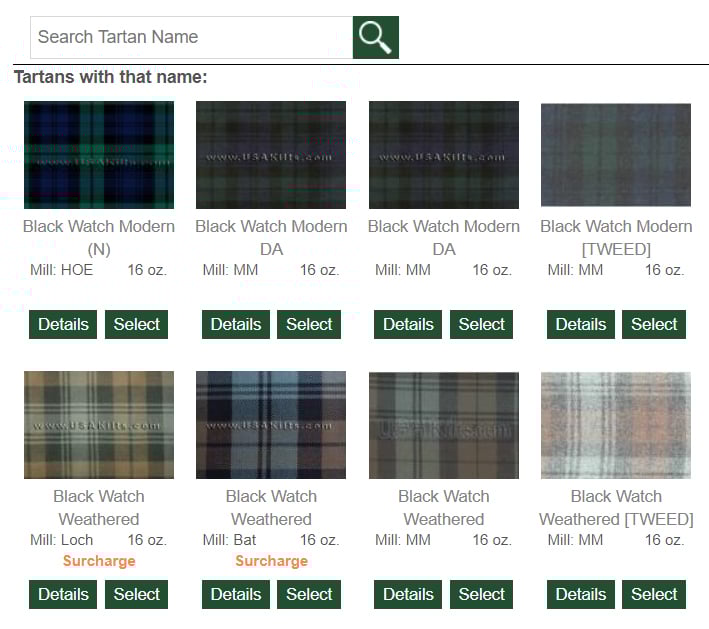
So keep that in mind as we go forward. We are only talking about color variations of the same tartan design. When you look at tartans in the Register of Tartans (or our own tartan database), you’ll see that while the thread count (the sett) stays the same, the color palette can change dramatically.
Tartans come in different color palettes in the same way that cars come in different colors. Think of it this way. A Jeep Wrangler in blue versus a Jeep Wrangler in green versus a Jeep Wrangler in red. They're all Jeep Wranglers. It's just a different color of the car.
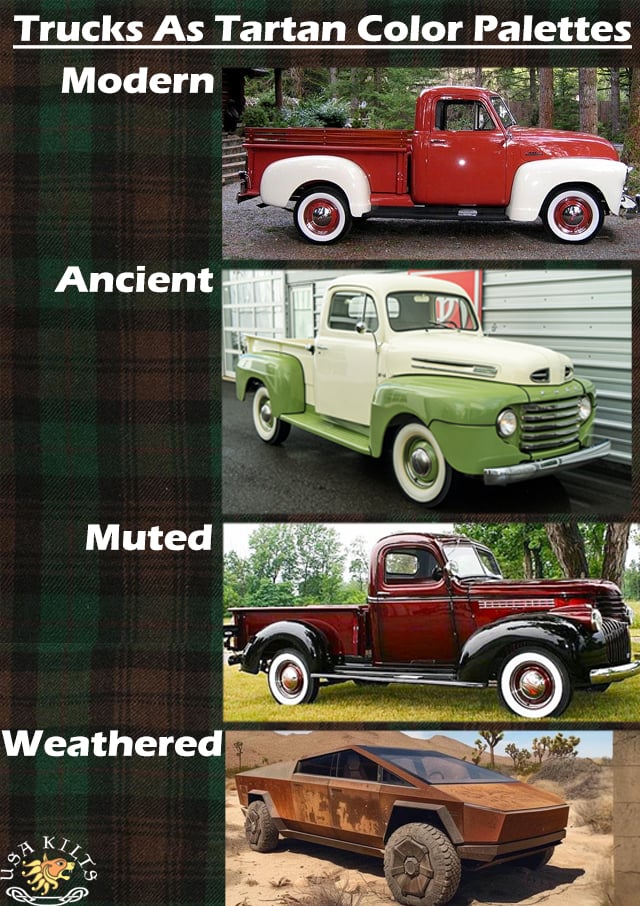
You can do the same thing with tartans. What shade of blue, what shade of green, what shade of red you use can shift based on the desire of the weaver. Certain sets of color shades have been categorized as color palettes over the years.
For example, the Farquharson tartan in the ancient color palette would use an “ancient” or light blue, a light grassy green, and an orangish kind of red color.

Next look at the same tartan done in the modern palette. The orange and red lines are the same, but the color palette shifts just a little bit. In the modern color palette, the orangy red color becomes scarlet red. The green becomes a “beer bottle” or “Kelly” dark green. The blue becomes a navy blue.
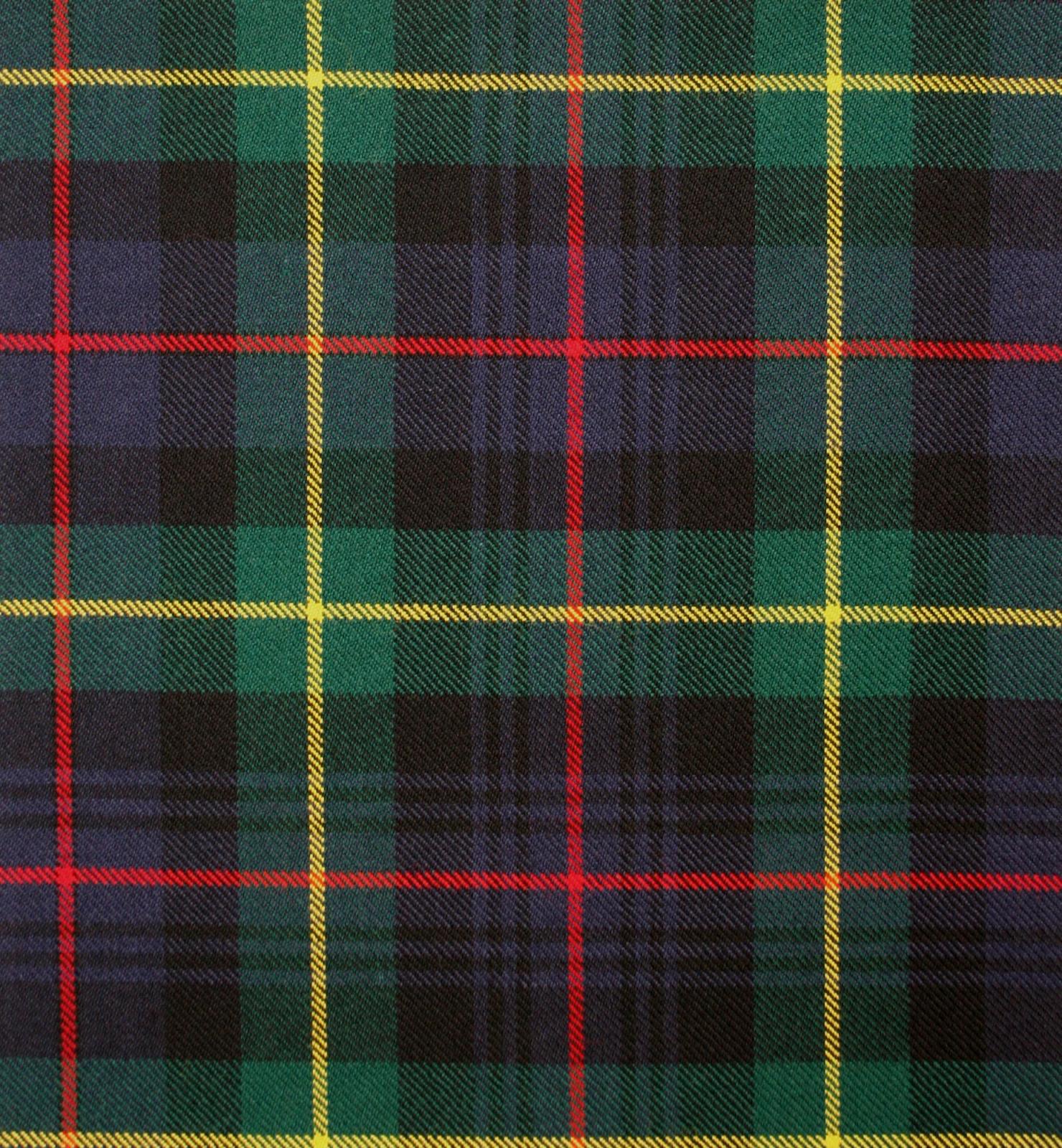
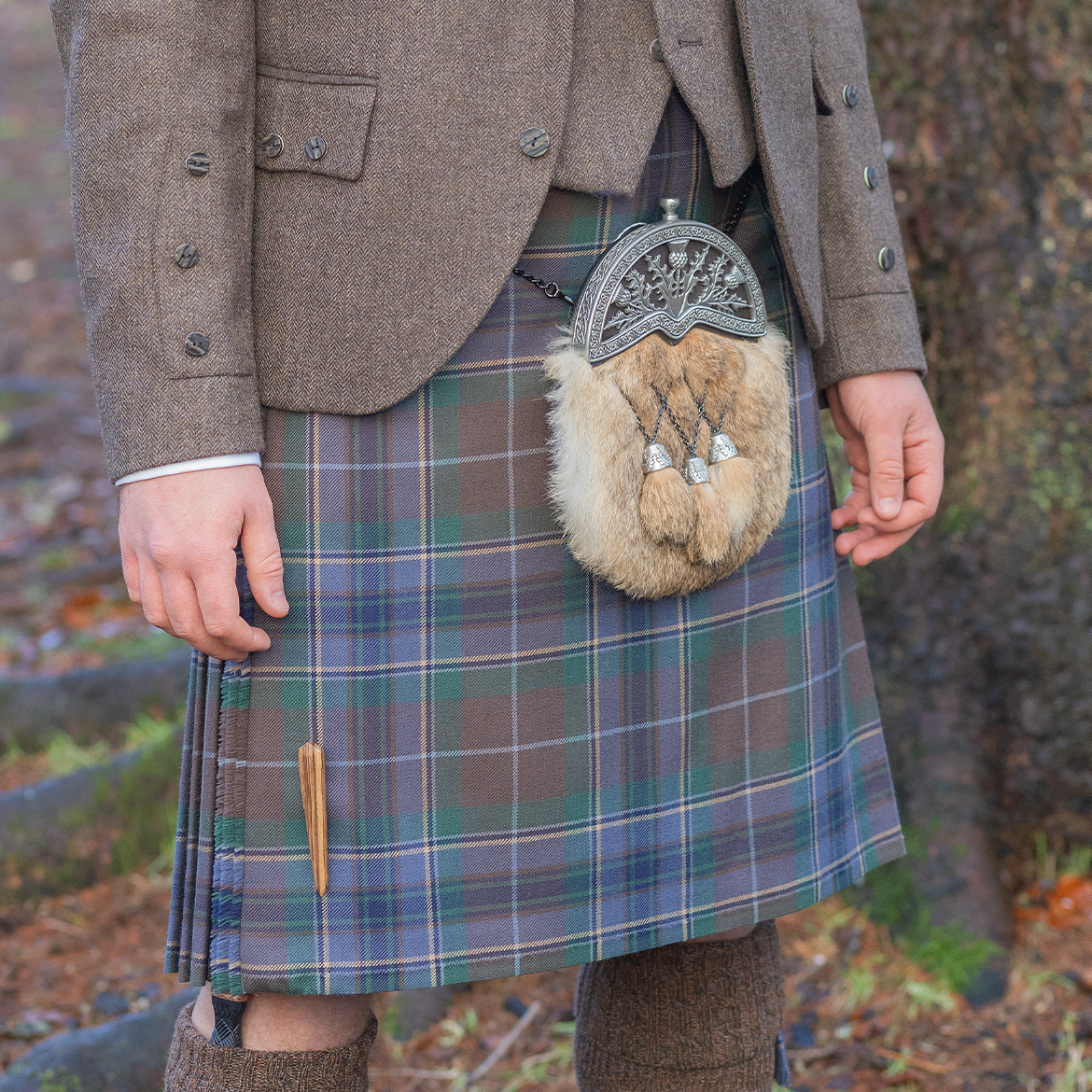
In the weathered color palette, the green color becomes a light brown. The blue becomes more of a “gunmetal” gray-blue, and the red becomes a pinkish salmon.

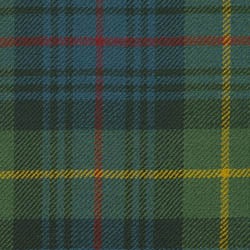
For the muted tartan palette, the blue becomes a stormy sky blue. The green becomes more of an olive, and the red becomes a blood red. You could describe the Muted palette as more “jewel tone”.
What Should You Choose?
Since the pattern itself does not change:
Your clan identity does not change.
Your authenticity does not change.
Your heritage does not change.
You’re choosing a color mood.
Here’s how we usually explain it to customers:
-
Want brighter, richer contrast? Go Modern.
-
Prefer softer, lighter tones? Ancient.
-
Like an earthy, outdoorsy feel? Weathered.
-
Want something toned down and "warmer"? Muted.
There’s no wrong answer here — only personal preference.
And Now the History - Which Tartan Color Palette is Oldest?
That’s a bit of a complex question. Here’s the basic timeline. The first tartans were kind of, well, freeform. There was no set color palette. The weaver simply used what colors they got from the dyed wool they had. This could be yarn made from their own sheepswool that they themselves had dyed. Or it could be yarn they had purchased or traded for. The dyes were sourced from local plants and minerals, though these could also be traded for if you had the means.
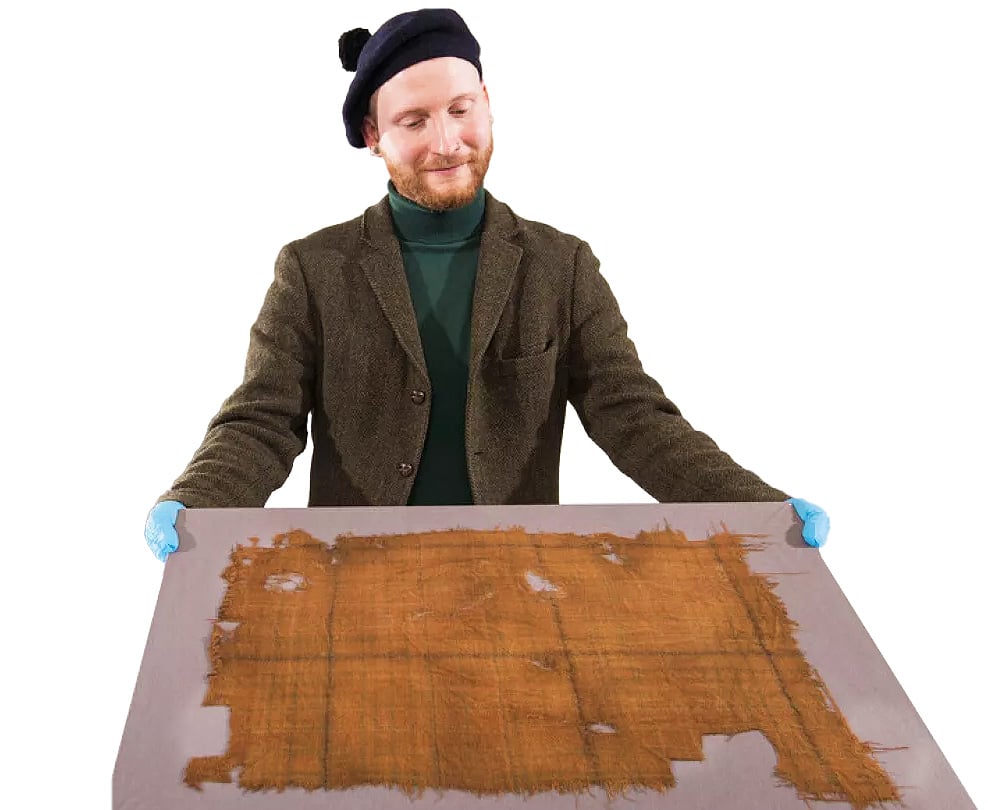
Occasionally, wool from a black or dark brown sheep could be used as-is. This is the case with the blackish brown color we see in the Glen Affric tartan; the oldest Scottish tartan remnant yet discovered, dating to the 16th century.
While the so-called ancient color palette is meant to mimic vegetable dyes, it actually does not do service to how bright early tartan could be. Tartan in the 18th century could be as bright as our “modern” palette. It was more a matter of how much it would cost to produce certain colors and how color-fast they were. That is, how long the dye would hold up to sunlight and washing.
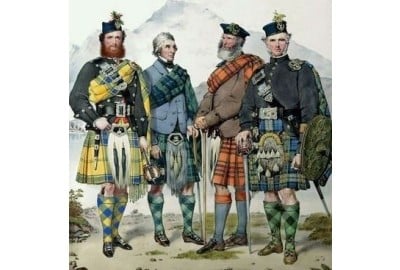
Actually, the Highlanders loved bright color and did invest in their attire to show status or wealth. Take red for example.
Brick red was a very popular color due to how cheap the dye stuff (madder root) needed to make it was. If you could afford it, you might opt for cochineal (imported from Spanish America) to achieve a vivid crimson, or exotic imported brazilwood for even brighter red tones.
Ironically, deep blues or greens often required more complex dye processes so the drab tartans you see in Outlander or Braveheart are actually not very accurate. They exist because Hollywood knows that modern audiences will read drab colors as “medieval” “rustic” “poor” etc. And before Hollywood there were the tartan weavers of Scotland who realized something more “rustic” or “natural” could sell to people wanting something different or who romanticized the past.
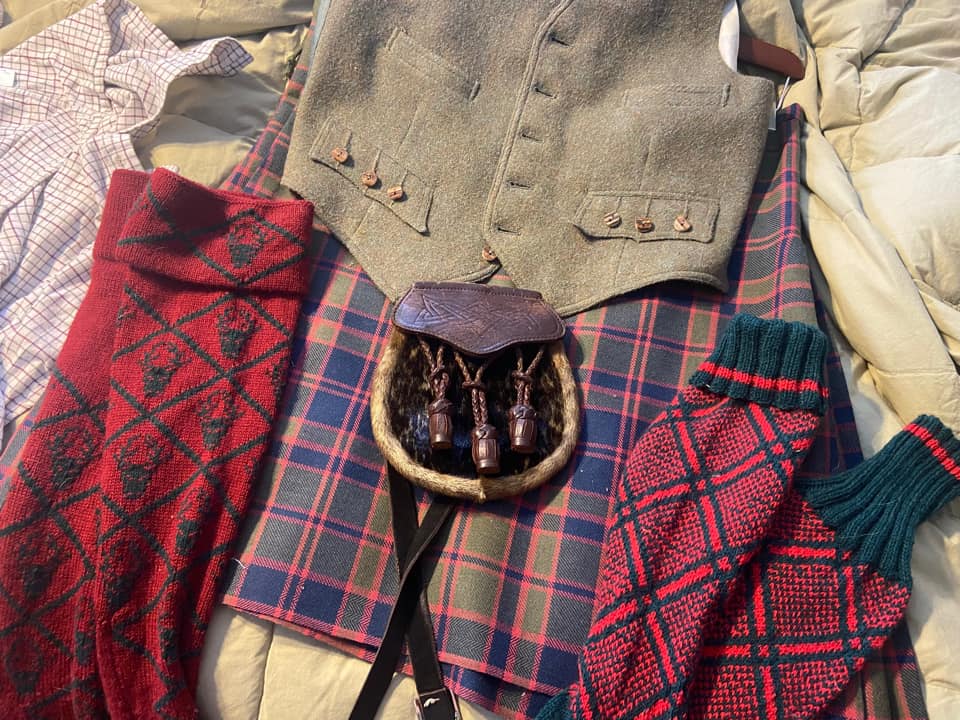
If you want a good sense of what tartans looked like 200 years ago, consider the color palette used by the iconic tartan mill Wilson’s of Bannockburn.
The Oldest Colors We Can Document - Wilson's of Bannochburn
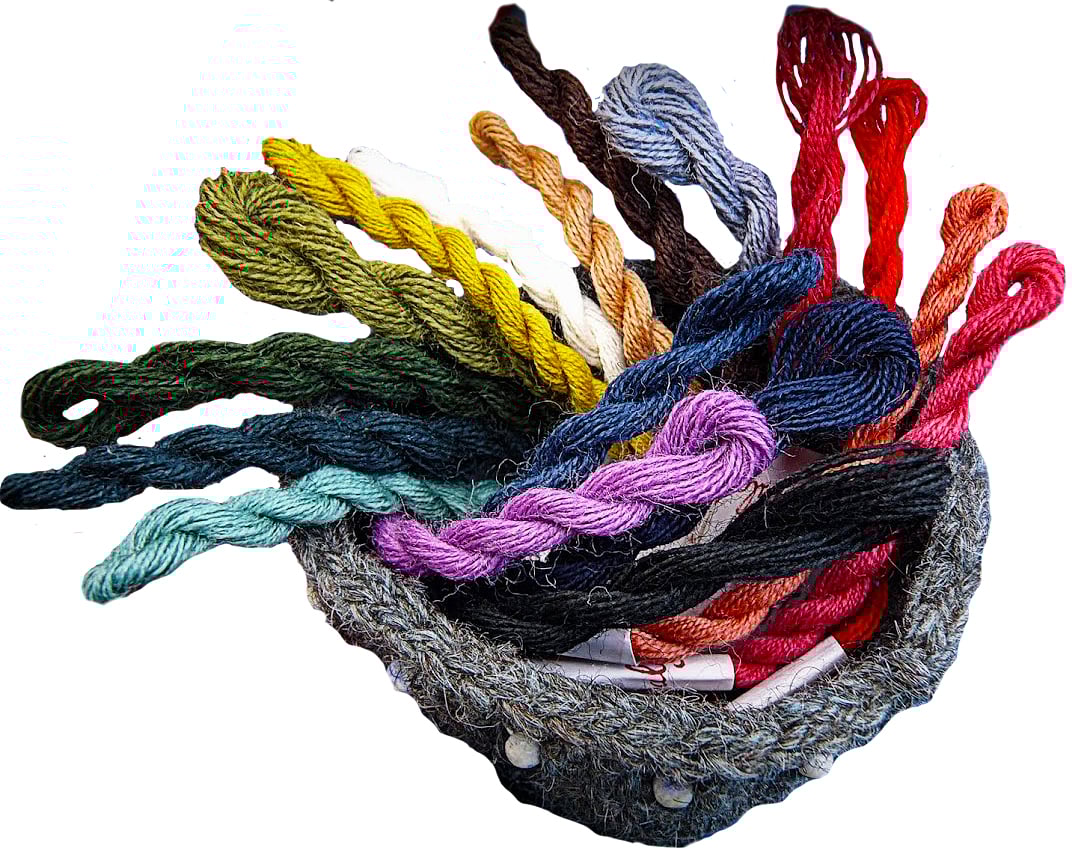
Wilson’s was an 18th- and 19th-century Scottish weaving firm based near Stirling that became one of the most important producers of tartan. Established in the mid-1700s, the company originally supplied the British Army with Highland regiment tartans and later played a major role in standardizing and commercializing clan tartans during the Highland revival of the early 19th century. Wilson’s pattern books and large-scale production shaped many of the classic tartans we enjoy today. Their color palette is becoming quite popular again as it sort of splits the difference between Modern and Muted.

Chemical Dyes for Tartan - Those Crazy Victorians Do It Again
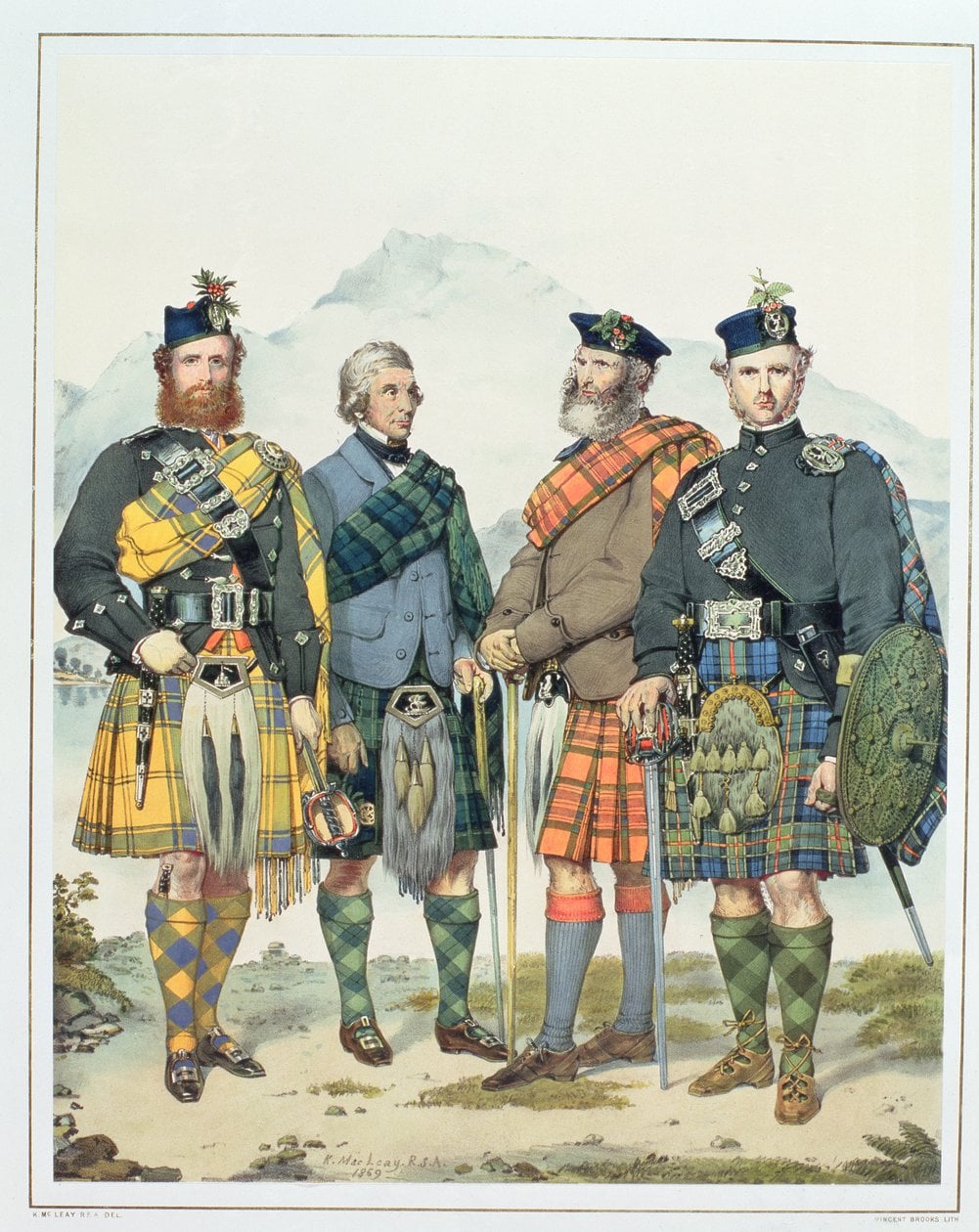
The next milestone was the advent of alkaline (synthetic aniline) dyes. In 1856 William Henry Perkin accidentally discovered the first synthetic dye, mauveine. His breakthrough launched the synthetic dye industry, and by the 1860s–1870s a wide range of bright, chemically produced dyes, including strong reds, purples, and greens, were commercially available. These dyes gradually replaced many traditional natural dyes because they were cheaper, brighter, and more consistent. The Modern Tartan Color palette was firmly established.
However, tartan mills were now at a loss as to how to make their products stand out. One answer was to create a new palette - one you could tinker with a bit more easily so that your fabric looked different from that of your competitors. Thus sometime around the 1880s–1890s, the Ancient Palette with its softer, lighter shades was born. As mentioned above, it gave customers another option and was heartily accepted. In fact, the term “modern” as you might have guessed only became necessary at this point so as to distinguish that cloth from the new natural dye inspired stuff.
"Modern" Recreations of "Ancient" Colors....We Think
So now let’s fast forward to the 1950s and another bit of marketing schtick.
The “Reproduction” tartan colour palette was developed by the Borders mill D.C. Dalgliesh (often misspelled Dalgleish) in the late 1950s to early 1960s as part of a broader mid-20th-century interest in historical authenticity. It reflected postwar scholarship and museum research into early Highland textiles.
Unlike the Victorian “ancient” palette, which simply used lighter, softer shades of standard aniline dyes, Dalgliesh sought to recreate the deeper, more muted tones seen in surviving 18th-century tartan fragments.
Using modern dyes but adjusting shade, saturation, and contrast, the mill produced colors intended to resemble natural plant-dyed yarns such as madder, indigo, and weld. You might be tempted to think they essentially recreated the Wilson’s palette, but the results were actually very different. In fact, the Reproduction colors could sometimes be rather odd.
Designers were basing their colors on surviving cloth and speculating at how it looked prior to the effects of aging. Due to a lack of modern spectro-analysis technology or computers, the results were entirely up to the individual’s instincts and biases.
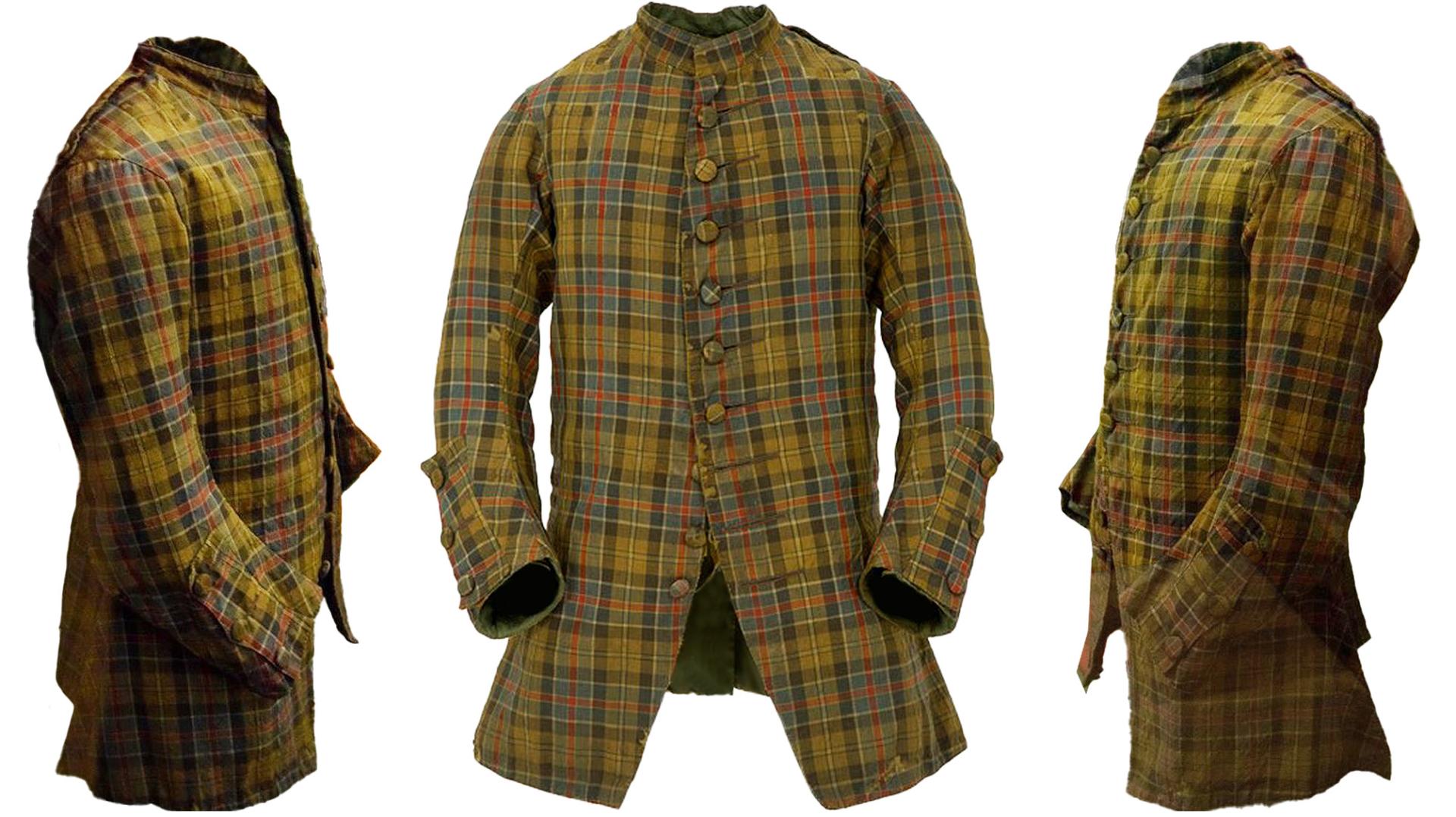
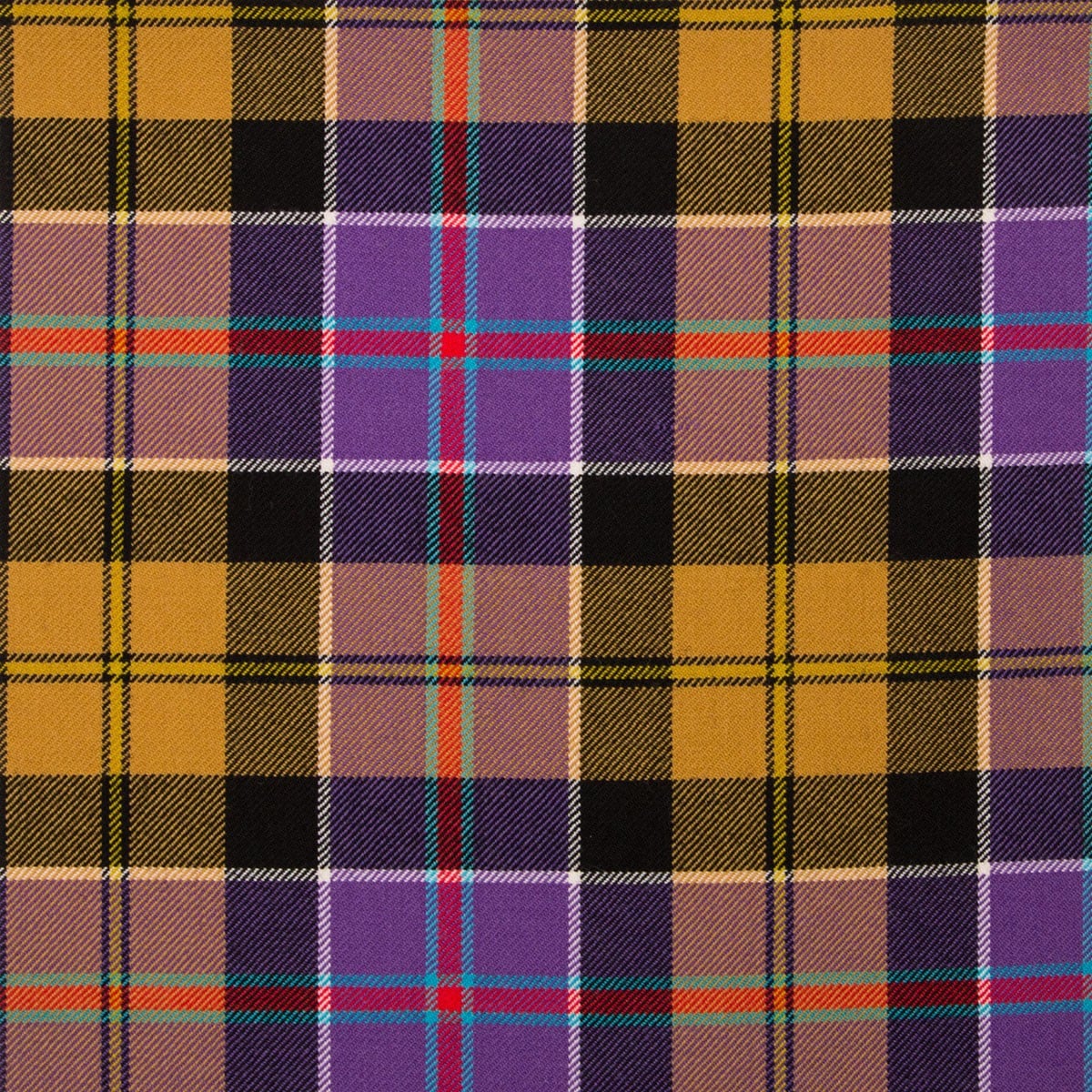
A classic example of this is the Culloden tartan. This is a reproduction of the cloth of a garment which (theoretically) was present at the Battle of Culloden in 1746. Tartan designers examined the garment and, well, the resulting Reproduction design is….vivid.
It was not until very recently, 2023, that the Culloden coat was reexamined by tartan historian Peter MacDonald and a new, science-based reproduction was created, now offered by House of Edgar and part of their Genesis of Tartan Collection.

It's Nice But Could You Splash Some Mud On It? - Weathered Tartans
Weathered, by contrast, is a later 20th-century tartan trend designed to suggest how tartans might look after long exposure to sun, peat smoke, and the elements. Imagine you’re a High;land crofter and you somehow forgot your kilt, like you left it on the roof of your cottage for a couple years. That’s sort of the idea. The colours are intentionally muted and shift towards brown with earthy olives, russets, and “heathered” tones.
Weathered is entirely about aesthetics, not history. The mills simply sniffed on the breeze a desi form tartan that was more subdued; more calm and rustic. Weather tartans became especially popular in the kilt hire (rental) arena where younger men wanted to show their heritage but also demonstrate they were down to earth, soulful people. This is still what drives a lot of gents to opt for a weathered tartan; and you find many new fashion tartan ranges built on this vibe even today. Now tweeds and tweed-like designs are picking up the weathered feel as well.
The Bottom Line
So which one's right? All of them. As we said at the beginning, it's all the same tartan, just a different color shift.
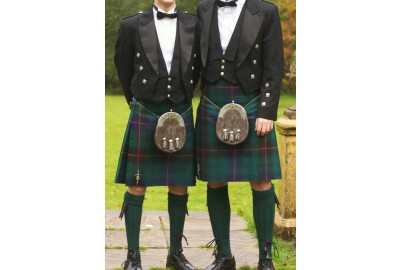
And as a side note remember that color palette has nothing to do with formality. You can wear a weathered tartan kilt for your wedding. You can opt for a muted tartan for the St. Andrews dinner, or a blazing bright modern tartan for your day hike in the mountains.
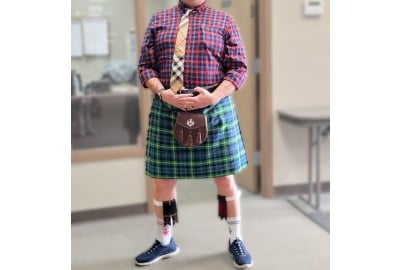
How formal or casual your outfit is depends on the accessories you choose. What type of jacket you're wearing, what type of sporran you're wearing, what type of shoes you're wearing, that kind of thing.
Choose the one you like best. Wear it properly. Wear it with pride. And don’t let the internet convince you you’ve picked “the wrong” tartan.