Is it okay to wear Renaissance Faire gear, fantasy outfits, or historical costumes to a Highland Games or Celtic festival?
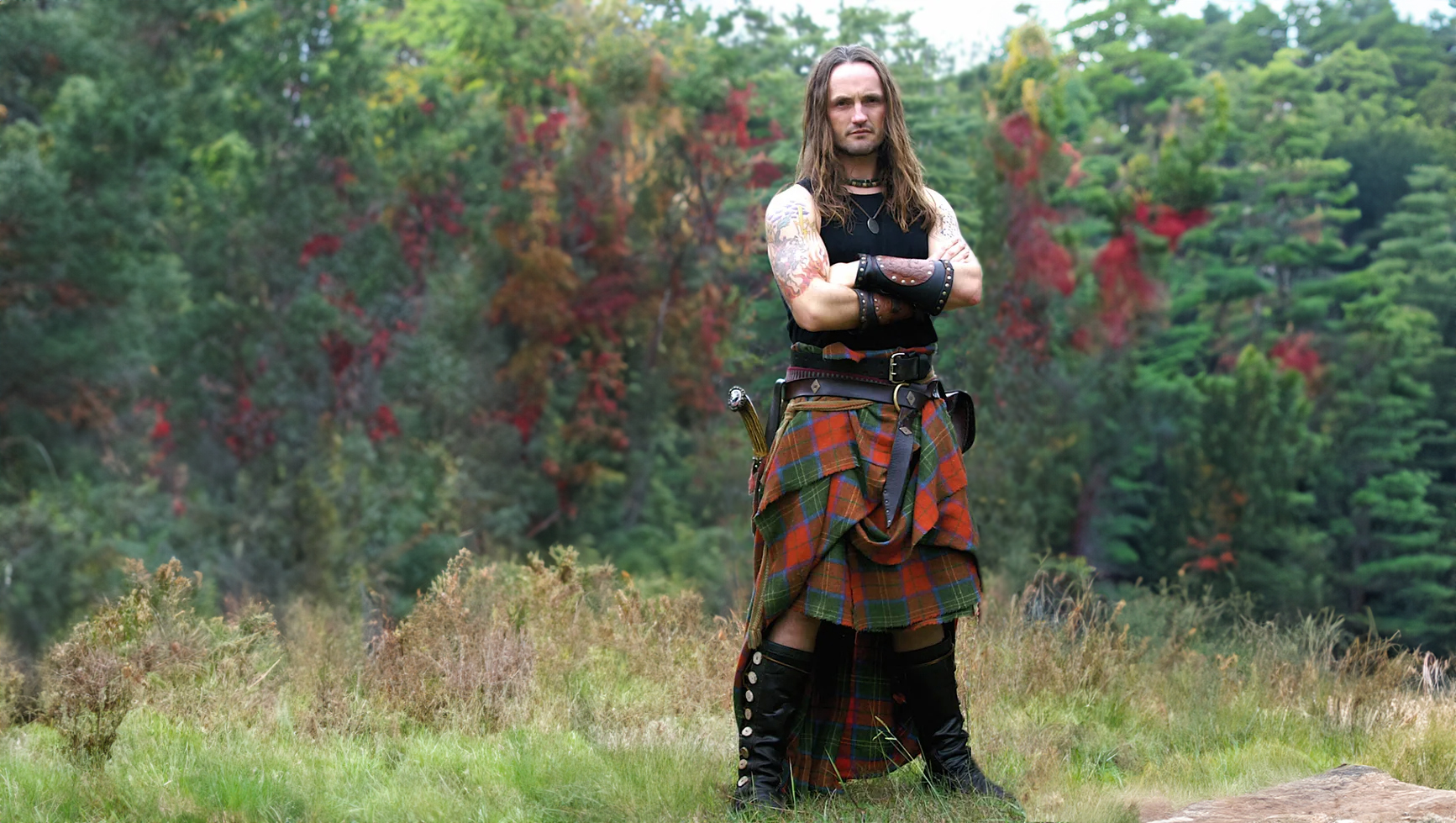
It’s a "fair" question (get it?). There’s a lot of overlap between the people who enjoy Renaissance Faires, living history, reenactment, fantasy fandoms, and Celtic culture. If you already own a kilt, a pair of medieval boots, or a full pirate outfit, you may be tempted to wear it to every event where “dress-up” feels acceptable. After all, you have invested a lot in the kit, most likely. And it is a handcrafted expression of your style.
However at the risk of stating the obvious, Highland Games and Celtic festivals are not the same thing as Renaissance Faires. What looks great at the faire, SCA event, LARP or convention is not necessarily going to go over as well at the Games.
The trick is finding a balance between authenticity, modern culture, fantasy, and where the line is between having fun and accidentally turning heritage events into costume parties.
Renaissance Faires and Highland Games Started with Different Goals
For background, remember that Renaissance Faires originally began as fairly history-focused events. Early Ren Faires actually emphasized demonstrations of historical skills like weaving, blacksmithing, and baking. These events tried to expose people to 16th-century European culture through music and performances, but the parameters were much more strict. Such fairies are still the norm in Europe.
Over time Faires became more professional. Regular venues evolved into business ventures across the country. History and fantasy entertainment began to merge. It was simply a matter of keeping things fresh to attract customers.
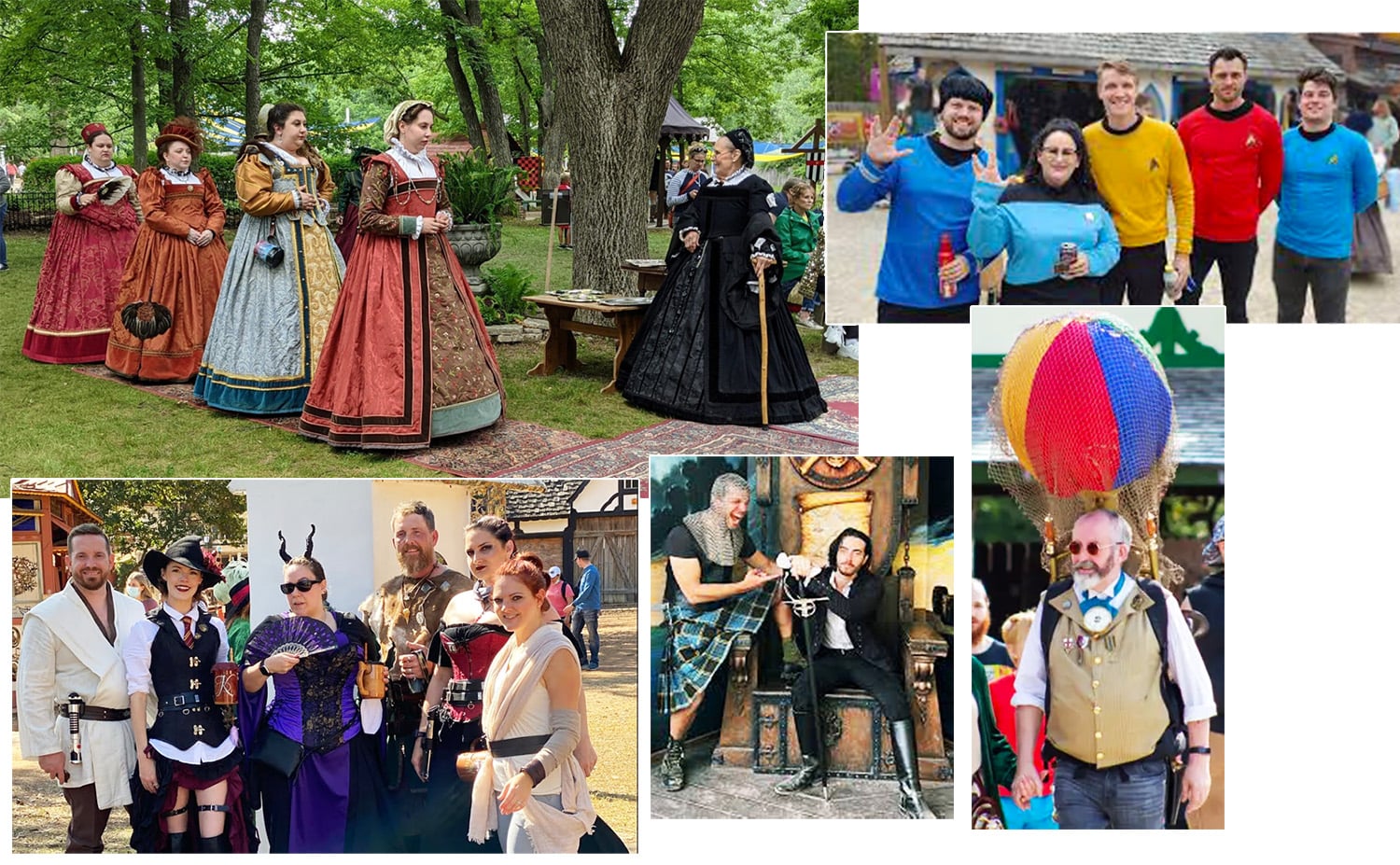
At the same time, regular faire attendees started dressing up and doing a bit of role play to get into the spirit of the thing. Between the official employed entertainers and the attendees, you can easily find a blend of:
- Historical costumes
- Fantasy characters
- Pirates
- Vikings
- Fairies
- Steampunk
- Sci-fi cosplay
- General “dress-up culture”
That mix is absolutely part of the fun. And a whole subculture has arisen surrounding the American renaissance faire with its own customs, community standards, and expectations.
What Makes a Celtic Festival?
Highland Games and Celtic festivals are a lot more rooted in modern mainstream culture. At their core, these events are intended to celebrate and preserve Scottish, Irish, Welsh, and broader Celtic traditions:
- Pipe bands
- Highland athletics
- Traditional Celtic music
- Irish and Scottish traditional dance
- Scottish Clan Societies
- Ethnic Foods
- Heritage/historical demonstrations
People attend because they want an authentic cultural experience, or at least something reasonably connected to the culture being celebrated. So you can already see the potential for a disconnect.
Why Fantasy or Costume Elements Feel Out of Place
The issue usually is not whether people are “allowed” to have fun. Highland Games are festivals, after all. They are meant to be enjoyable and welcoming.
The concern is over fantasy or out-of-context historically inspired elements coming off as disrespectful, tone deaf … just using the Celtic heritage event as a backdrop for your own game.
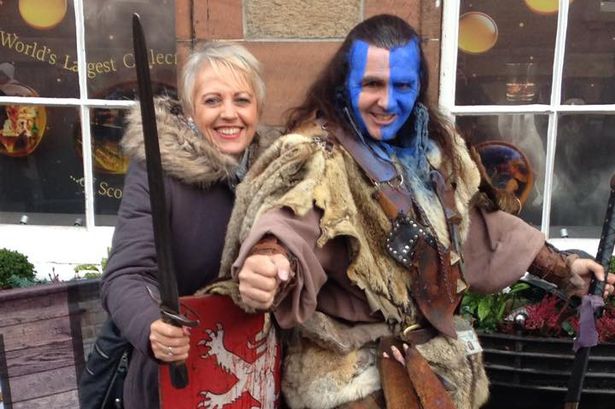
If someone attends a Celtic festival wearing an elf outfit, crusader armor, or inaccurate “Braveheart” face paint, it can signal ignorance.
At worst, some costumes may even reinforce stereotypes or misunderstandings of actual history.
This becomes especially important for newcomers or children attending the event. If someone sees fantasy costumes mixed into a cultural setting, they may assume those things are historically or culturally accurate representations.
Again it’s the “Braveheart thing.”
In this sense, the concern is less about “offense” and more about dilution of the culture being celebrated.
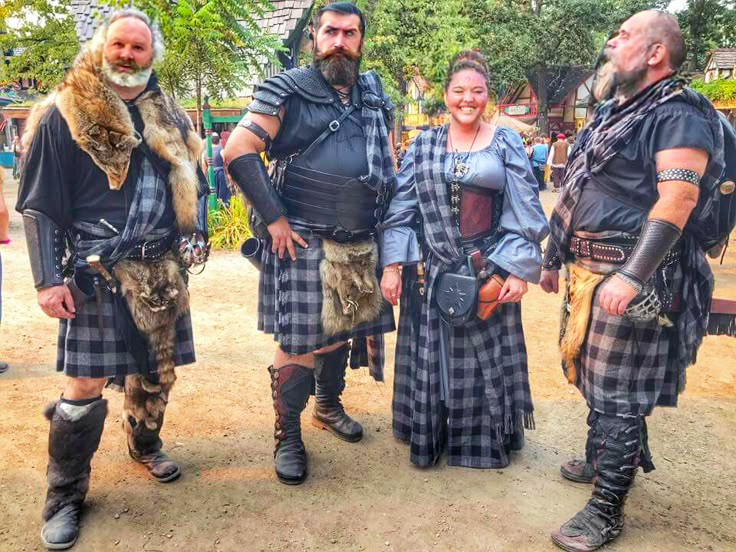
Historical Clothing Is Different from Fantasy Costumes
Now this is an important distinction.
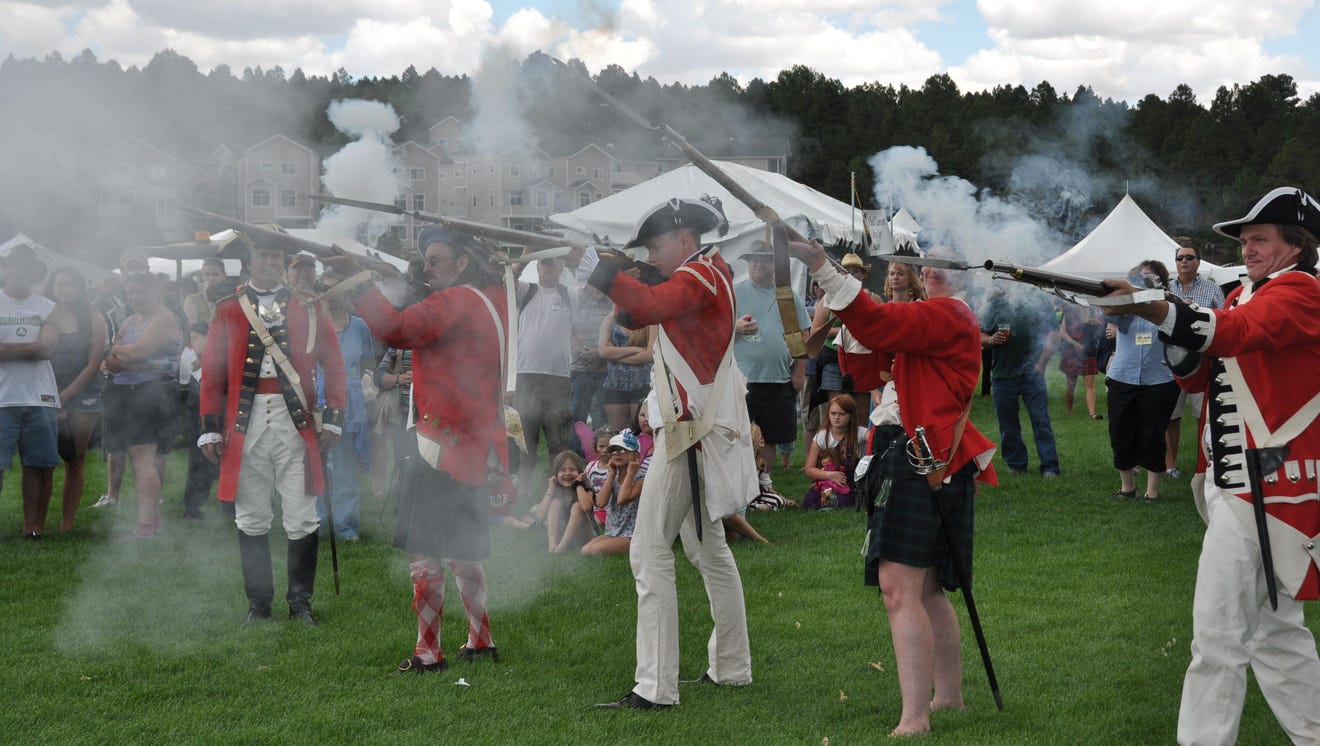
Fantasy characters or costumes based on TV shows or movies are a far cry from living history interpretations. A reasonable attempt at an 18th-century Jacobite outfit, for example, fits much more respectfully into a Highland Games/Celtic fest environment because it reflects actual history.
If you are really inspired and have the resources, you can take a que from living history reenactors. Popular impressions include:
- The 1745 Jacobite Rising
- The Fighting 69th of the American Civil War
- Irish military history
- Highland regiments from almost any period
See if there is a reenactment group near you! Studying and portraying actual history like this contributes educational value to the event and demonstrates the power of being a sincere student of history and culture.
A Good Rule of Thumb for Historically Inspired Outfits
Intent matters. If you can explain the history behind what you are wearing and connect it meaningfully to the focus of the event, you are on very safe ground and will garner respect.
That means being able to talk the talk. If your only explanation for your fit is, “I saw it in a movie and thought it looked cool,” the reaction may be different.
A Little “Festival Flair” Is Usually Fine
Yes there is absolutely a gray area for all this. Some crossover items work perfectly well at Highland Games:
- Jacobite / Highland shirts (these have become a sort of modern tradtion)
- Medieval-style boots (never were historical, they are a modern fashion and can look good with a casual kilt outfit)
- Utility accessories like water bottle / mug / flask holsters and belt pouches (many of these items are used by marching pipe bands)
- Celtic-styled leather gear (good celtic knotwork is simply beautiful and tyou can support a small artisan by purchasing from them)
- Celtic jewelry
These things can complement modern Highland attire without overwhelming it. The best thing we can say is “Keep it simple.”
Figure out your outfit as a modern look first. Then maybe add some renn faire bits for flair. Less is more. Problems usually happen when people start mixing too many unrelated aesthetics together. "Mash-ups" are hella fun for a con, but don't work so well for a festival.
Our ‘Worst Offenses’ include:
- Pirate hats
- Fantasy armor
- Prosthetics and face makeup (elf ears, fangs, Braveheart woad paint, etc.)
- Random Viking props
- Swords (real or fake)
- Movie-inspired costumes presented as “Scottish”
Once too many “just for fun” elements are thrown in, it starts looking like a dog’s dinner.
Is It Okay to Wear a Great Kilt to a Celtic Festival?
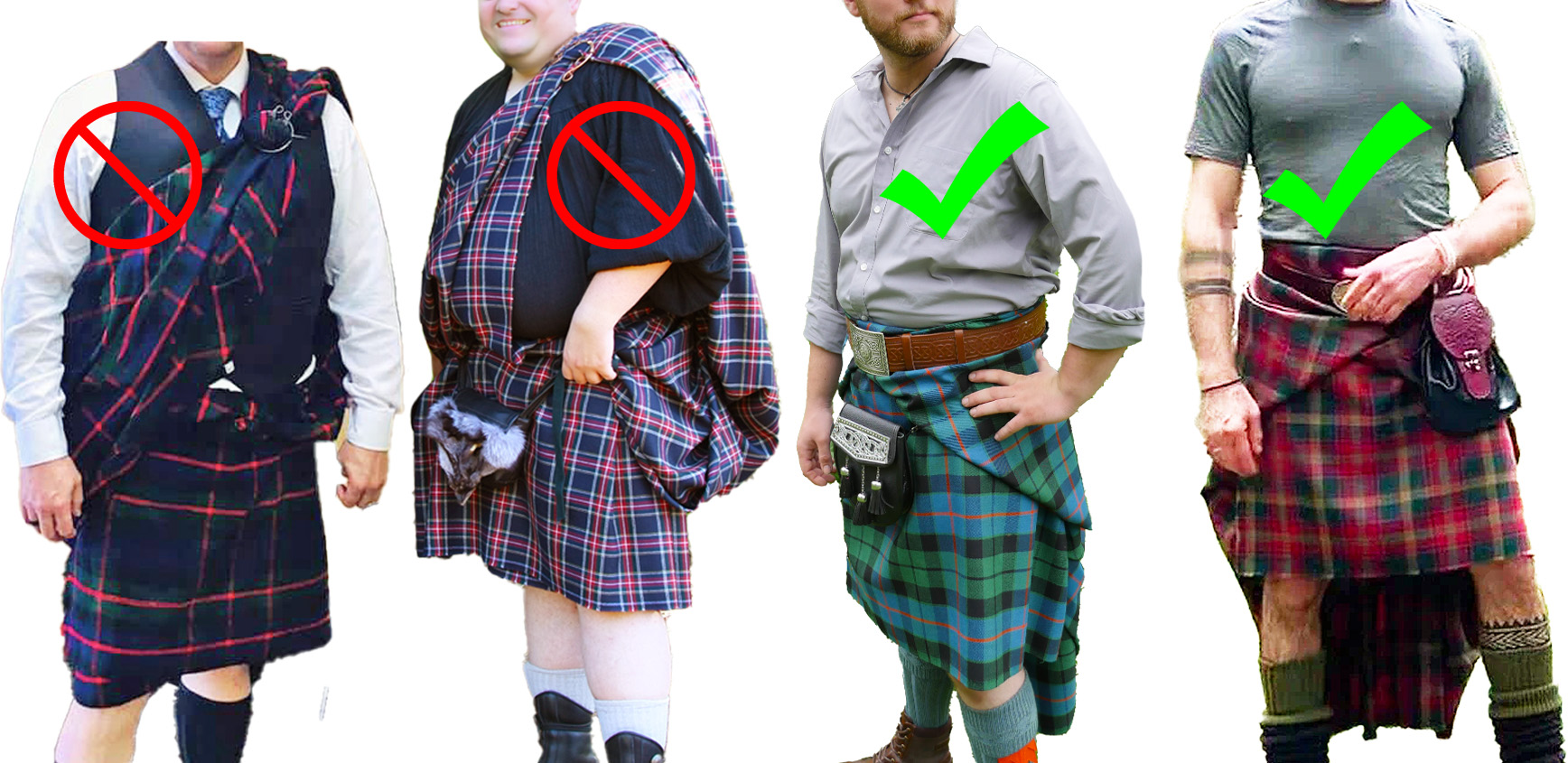
You'll notice we haven't said anything about great kilts. That's because we have seen the great kilt become a popular casual kilt wear option in the past few years.
However, the trick is how you wear it.
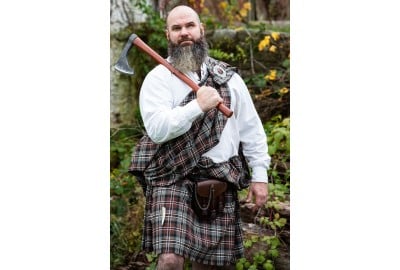
Here's the key, if you wear the great kilt in the "around the hips" style with a modern shirt, you will look fine. If you wear it with one end over your shoulder with a plaid brooch (the "highlander style") you up the level of theatricality by ten. You may run the risk of the kilt looking like a costume or simply awkward.
If you wear it only on your hips the rest of your fit can be whatever you like.
Over the shoulder starts to draw attention to the other parts of the outfit:
- What shirt are you wearing? A highland shirt?
- What shoes? Boots? 18th-century brogues?
- What sort of sporran? Is it modern or 'jacobite'?
Suddenly you have to think about everything else and make it work together ... or end up looking like a Halloween costume. So you know, proceed with awareness.
Let’s talk About Joke Accessories
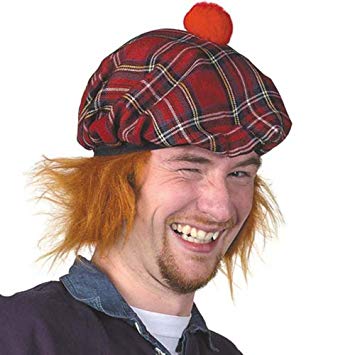
Your mileage may vary but we here at USA Kilts would rather lean into the more dignified side of things than jokes. See you Jimmy’ hats, T-shirts with rude designs, Leprechaun costumes, plastic beads ... you might want to save those for more private parties. Sometimes it is tempting to be "the life of the party." But at a public festival, you may want to tone that down.
Our heritage cultures have all experienced various degrees of suffering and prejudice over the years, especially in America. While some people may feel leaning into and “reclaiming” the cliches and stereotypes might be cheeky and rebellious, it's not always a good look.
Festivals Also Have Practical Realities
Sometimes costumes can actually support the mission of the festival. Festivals, even not-for-profit ones, need to earn money to continue. Vendors need to make money and the organizers need to fill vendor spaces as well as concert seats. Meanwhile, families want entertainment for adults and children alike. That naturally creates a broader atmosphere than a strict museum or reenactment event. So there will almost always be some degree of crossover culture such as fantasy-adjacent merchandise or performers.
So What Should You Wear?
Here's a recap of our tips for having fun with your look and avoiding embarassment::
Good Choices:
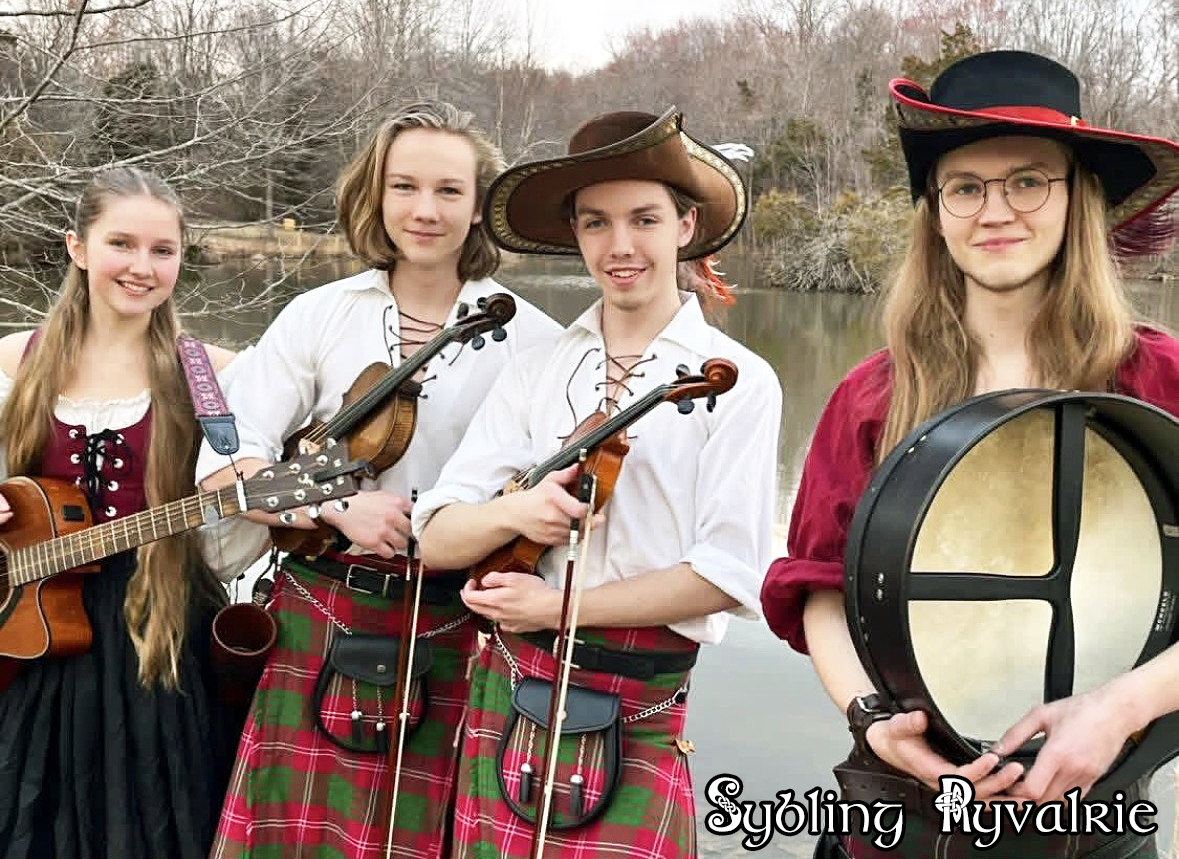
- Kilts and tartans
- Jacobite shirts, Grandfather shirts
- Historically inspired Highland attire (for example a Jacobite coat)
- Simple leather accessories
- Traditional or heritage-inspired footwear
- Historically researched reenactment clothing
- Buckles and Kilt Pins based on ancient Celtic themes
Probably Fine in Moderation:
- Renaissance-style boots
- Tooled leather belts
- Mug holders
- Subtle fantasy-inspired accessories
Avoid:
- Full fantasy cosplay
- Pirate costumes
- Face paint
- Sci-fi cosplay
- Armor
- Movie-inspired “Scottish” outfits
- Random historical mashups
The Best Rule: Context is King.
If you’re going to a Ren Faire, dress for Renn Faire.
If you’re going to a Celtic festival, dress with heritage in mind.
It’s that simple. Different events have different purposes, different atmospheres, and different expectations. Dressing appropriately for the setting is less about strict rules and more about showing respect for the culture and community hosting the event.
You do not need to be perfectly historically accurate.
You do not need expensive Highland wear.
You certainly do not need permission to enjoy yourself.
But if your goal is to celebrate Celtic culture, it’s worth thinking about whether your outfit contributes to that experience, not just for you but for those around you too. Simple, sincere, and culturally-grounded is almost always the safest path.